- All
- Product Name
- Product Keyword
- Product Model
- Product Summary
- Product Description
- Multi Field Search
 English

Views: 0 Author: Site Editor Publish Time: 2026-07-12 Origin: Site


Picking the right plastic washing line factory can shape your business’s success. You want equipment that matches your needs for capacity, quality, and efficiency. Every operation faces unique challenges, like handling sand, labels, or mixed plastics, so you need to look at solutions that fit your situation. Think about environmental sustainability, water use, and how much support you’ll get after installation. Whether you need cold or hot washing, or you’re choosing the right plastic recycling machine for future growth, making the right call now helps you stay ahead.
Assess your daily plastic processing needs to choose the right washing line capacity.
Consider both cold and hot washing lines based on the type of plastic and contamination levels.
Plan for future growth by selecting a factory that offers scalable and customizable solutions.
Ensure the factory has strong quality control systems to maintain high output standards.
Look for energy-efficient washing lines to save costs and support environmental sustainability.
Choose a factory that provides reliable technical support and maintenance services.
Evaluate the total investment, including equipment, utilities, and site preparation costs.
Select a trusted brand like Dyun for advanced technology and strong after-sales support.
You need to figure out how much plastic you plan to process each day. Start by looking at your current recycling operations and estimate the volume of material you collect. If you run a small facility, you might handle a few hundred kilograms per hour. Larger recycling operations can process several tons. The material type matters, too. Lightweight plastics like film or bottles require different handling compared to heavier items.
Tip: Always add a safety margin to your calculations. Maintenance downtime and unexpected delays can affect your output. Most factories recommend a 20% buffer to keep your recycling running smoothly.
Capacity planning helps you set realistic goals for your recycling operations.
Design capacity shows the maximum output, but actual effective capacity is usually lower.
Washing lines yield between 70% and 90%, so you must adjust your input volume to reach your target output.
Once you know your material volume, match it to the factory’s output. You want a washing line that fits your needs without wasting resources. Maintenance activities like blade sharpening and screen cleaning can reduce operating hours. Most factories run about 20–22 hours per day, so plan accordingly.
Here’s a quick breakdown of washing line sizes:
Small-scale lines (500 kg/h): Great for startups or pilot recycling operations.
Medium-scale lines (1,000–2,000 kg/h): Standard for most recycling businesses, balancing energy and labor costs.
Large-scale lines (3,000+ kg/h): Designed for municipal waste and big recycling projects, needing advanced equipment.
If you process lightweight materials, the feeding stage can slow things down. Make sure your factory offers equipment that handles these bottlenecks.
You want your recycling business to grow, so plan for future expansion. Industry benchmarks show how different configurations fit various needs and budgets:
Configuration | Capacity | FOB Price Range |
|---|---|---|
Entry-level (cold wash) | 500–800 kg/h | $80,000–$150,000 |
Mid-range (hot wash) | 1,000–2,000 kg/h | $150,000–$280,000 |
Industrial (hot wash, full auto) | 3,000–5,000 kg/h | $300,000–$800,000 |
When you budget for a new washing line, remember that equipment costs are only part of the total investment. You also need to cover water treatment, electrical systems, and site preparation. For example, if you plan to spend $200,000 on a 1,000 kg/hr line, expect your total project costs to reach around $500,000.
Thinking ahead helps you scale your recycling operations without hitting unexpected roadblocks. Choose a factory that offers flexible solutions and supports your growth. This way, your recycling business stays efficient and ready for new challenges.
When you start looking for a plastic washing line factory, you’ll see two main options: cold and hot washing lines. Each type has its own strengths and weaknesses. Your choice depends on the kind of plastic you process and the quality you want to achieve.
Here’s a quick comparison to help you decide:
Feature | Cold Washing Line | Hot Washing Line |
|---|---|---|
Temperature | Room temperature or slightly chilled | Heated to a high temperature |
Energy Efficiency | More energy-efficient | Less energy-efficient |
Risk of Heat Damage | Reduced risk of heat damage to bottles | Higher risk of heat damage to bottles |
Effectiveness on Contaminants | Less effective at removing bacteria and pathogens | More effective at removing bacteria and pathogens |
Stubborn Stains | Less effective at dissolving stubborn stains | More effective at dissolving stubborn stains |
Quality of Recycled PET | May result in lower quality and purity of recycled PET | Can result in high quality PET flakes and purity |
If you want to save on energy costs and mostly handle lightly soiled plastics, a cold washing line might work for you. If your business needs to remove tough labels, sticky residues, or bacteria, you’ll want a hot washing line. Hot washing lines give you cleaner, higher-quality PET flakes, but they use more power and can sometimes damage bottles if not set up right. Think about your end product and your budget before you choose.
The feed hopper and shredder are the first steps in most types of plastic recycling machines. They set the pace for the whole process. If you pick the wrong setup, you’ll face jams, slowdowns, and wasted material.
Let’s look at the most important features for these machines:
Feature | Description |
|---|---|
Blade Designs | Various configurations (single, double, multi-shaft) suited for different plastics. |
Motor Power | Ranges from 50HP to 1,250HP, affecting the shredder's capacity to handle different materials. |
Customization Options | Adjustable screens and variable-speed motors enhance shredding efficiency and adaptability. |
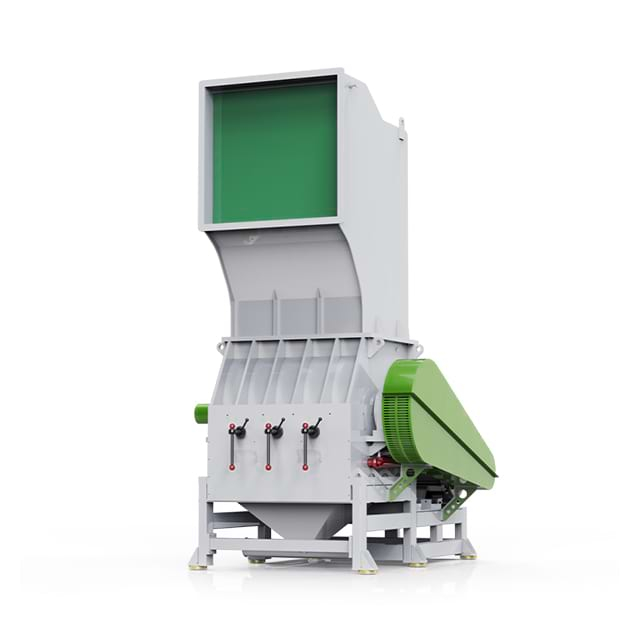
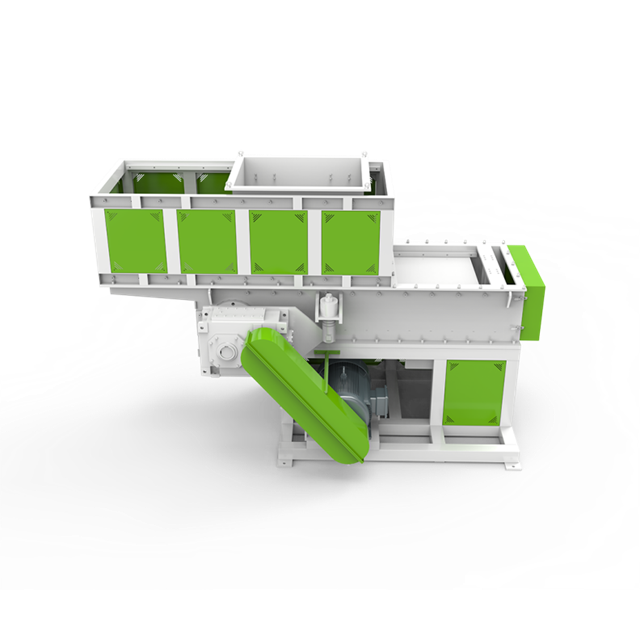
You want a feed hopper that can handle the size and shape of your incoming plastic. Some types of plastic recycling machines need a wide opening for bulky items, while others work best with a narrow chute for bottles or film. The shredder should match your material. For example, a single-shaft shredder works well for rigid plastics, while a double-shaft or multi-shaft shredder handles tougher or mixed materials. Adjustable screens let you control the size of the output, which helps with downstream washing. Variable-speed motors give you more control and help prevent jams. If you plan to process different types of plastic, ask your plastic washing line factory about customization options.
A good conveyor system keeps your plastic washing lines running smoothly. If your conveyor slows down or stops, the whole line backs up. You want to avoid bottlenecks and downtime.
Here’s why conveyor system efficiency matters:
Efficient conveyor systems prevent bottlenecks and reduce downtime.
Smooth material flow is essential for maintaining high throughput.
Tailoring the speed and configuration of conveyor systems enhances productivity.
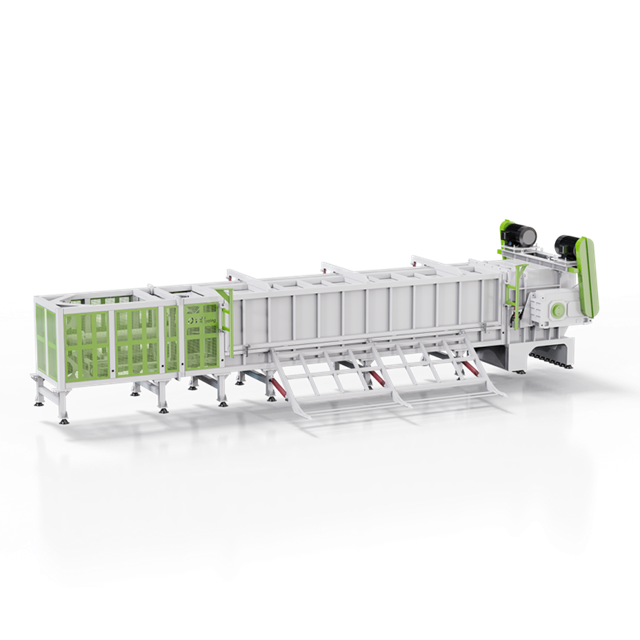
When you talk to a plastic washing line factory, ask how they design their conveyor systems. Some types of plastic recycling machines need fast, straight conveyors, while others use angled or modular designs. Make sure the conveyor matches your feed hopper and shredder. If you plan to expand, look for modular conveyors that you can upgrade later. A well-designed conveyor system saves you time, money, and headaches.
Choosing the right plastic washing line factory means looking at every part of the process. From the type of washing line to the feed hopper, shredder, and conveyor, each detail affects your results. Take your time, ask questions, and pick a partner who understands your business.
You want your recycling operation to deliver clean, high-purity plastic flakes. Cleanliness and purity levels matter because buyers expect consistent output. If your plastic washing line removes dirt, glue, and labels, you get better recycled material quality. Most factories use advanced washing steps to boost output quality. You should check if the factory offers hot washing, friction washers, and rinsing tanks. These features help you reach strict cleanliness standards.
Note: A well-designed plastic washing line improves the quality of recycled plastic and keeps your production stable. This means your output stays reliable and your final products perform well in later stages.
Quality control systems help you maintain high output standards. You need a factory that follows strict checks at every stage. Here’s a quick look at common quality control systems:
Quality Control System | Description |
|---|---|
Certified Manufacturing | The facility is certified to internationally recognized standards (e.g., ISO 9001). |
Incoming Material Inspections | Stringent checks on materials before they enter the production process. |
In-Process Controls | Continuous monitoring during production to maintain quality. |
Final Product Verification | Ensures that the end product meets quality standards before delivery. |
Factories use these systems to turn dirty waste into clean, saleable, high-purity plastic flakes. You should ask about certifications and inspection routines. If the factory uses in-process controls, your output stays consistent. Final product verification makes sure your recycled material quality meets buyer demands.
Consistency is key for recycling businesses. You want every batch to meet the same output quality. Factories keep results steady by following daily and regular maintenance routines. They clean equipment, check for worn parts, and calibrate machines. Feeding practices also matter. If you use batch quantitative feeding, your equipment handles a steady load. This keeps cleaning uniform and extends machine life.
Daily maintenance stops debris from building up and keeps output quality high.
Regular calibration and part replacement prevent failures and keep output stable.
Batch feeding helps your plastic washing line deliver consistent output.
If you focus on these practices, your recycling operation will produce reliable output every time. Buyers trust your recycled material quality, and you build a strong reputation in the market.
You have many choices when you look at washing line technologies for your recycling business. Each system offers unique features that can boost your plastic recycling process. Modern lines use high-speed rotating blades in crushers. These blades break down plastic waste quickly and help you reach higher processing efficiency. You also see advanced heating systems that keep energy use low while delivering strong performance.
Here’s a quick table showing some of the latest advancements:
Feature | Description |
|---|---|
Advanced Technology | High-speed rotating blades in crushers for efficient breakdown of plastic waste. |
Energy Efficiency | Designed to consume less energy while maintaining high performance, with advanced heating systems. |
You get comprehensive washing, drying, decontamination, separation, and pelletizing operations. These steps remove dirt and adhesives from plastic. The result is clean, uniform pellets that support the circular economy. If you want to improve your recycling output, look for lines that offer thorough contaminant removal and flexible processing options.
Energy efficiency matters when you run a plastic recycling process. Efficient washing lines can improve recycling output by up to 45%. You save money and help the environment at the same time. Some factories use counter-current systems. These systems boost dirty film removal by 50%. You get better results with less energy.
Regular maintenance keeps your equipment running at peak processing efficiency. If you check and clean your machines often, you avoid breakdowns and keep your recycling operation steady. Energy-efficient lines also use advanced heating systems. These systems lower power bills and help you meet sustainability goals.
Tip: Ask your factory about energy ratings and maintenance plans. You want a partner who helps you stay efficient for years.
Water use is a big concern in the plastic recycling process. Modern factories design their lines to be water-efficient. If you run a 1000kg/h line, you need about 1-2 cubic meters of fresh water per hour at first. Once you set up a closed-loop water treatment system, your water use drops. Most water loss comes from evaporation and moisture in the final product.
You can recycle water and cut costs. Closed-loop systems clean and reuse water, so you waste less. This helps your recycling business stay green and saves money. Water-efficient lines support your processing efficiency and help you meet environmental standards.
Modern lines use less water and recycle most of it.
Closed-loop systems reduce water waste and lower operating costs.
You support sustainability and keep your recycling operation strong.
If you focus on technology, energy, and water use, you build a recycling business that runs efficiently and meets industry standards.
You want your recycling operation to fit your unique needs. Custom plastic washing lines let you build a system that matches your workflow, space, and material types. You can choose scalable capacity, specialized add-ons, and bespoke layouts. This means you get a washing line that grows with your business and handles tough jobs.
Scalable capacity lets you start small and expand as your recycling volume increases. You can pick options from 300 kg/h up to over 2,000 kg/h.
Specialized add-ons help you tackle heavily soiled or mixed waste streams. If your materials need extra cleaning, you can add friction washers or intensive washers.
Bespoke layouts allow you to fit the washing line into your workspace. You can design the system to match your floor plan, making the most of your available area.
Tip: Customization gives you control over your recycling process. You can adjust the system as your needs change, so you never feel stuck with equipment that doesn’t fit.
Different plastics need different treatment. You want a washing line that adapts to the materials you process. Factories use a mix of machines and steps to handle everything from bottles to film. Here’s how they do it:
Component | Function |
|---|---|
Shredder | Cuts plastic waste into smaller pieces for easier processing. |
Grinder | Further reduces size and prepares materials for washing. |
Gutter | Separates heavy materials from lighter plastics. |
Metal separator | Removes metal contaminants from the plastic stream. |
Friction washer | Cleans plastics using friction to remove dirt and contaminants. |
Intensive washer | Provides thorough cleaning for heavily soiled plastics. |
Separation tank | Uses plunge and floating processes to separate materials based on density. |
Rotary drum | Assists in washing and drying processes. |
Mechanical dryer | Removes moisture from washed plastics. |
Thermal dryer | Further dries plastics using heat. |
Oscillating sieve | Separates fine particles from the washed material. |
Water treatment | Ensures that water used in the process is recycled and treated. |
You can adjust your washing line for low, medium, or high contamination. For lightly soiled plastics, a single friction washer and standard drying work well. If you deal with tougher materials, you can add floating tanks, chemical washes, or high-power drying. For the dirtiest waste, multi-stage washing and advanced filtration keep your recycling output clean and ready for sale.
Modular design makes your recycling operation flexible and scalable. You can add new modules as your business grows. This pay-as-you-grow model helps you manage costs and reduces financial risk. You don’t have to buy everything at once. You can validate your recycling model and expand when you see success.
Modular systems maximize processing capacity per square foot. You can stack or arrange modules vertically, which is perfect for urban centers with limited space. If your feedstock changes, you can relocate modules to new sites. This geographic flexibility lets you respond to shifts in waste generation or local policies. You can grow your processing capacity in line with demand, making incremental investments that match your cash flow.
Note: Modular design gives you freedom to adapt your recycling operation. You can scale up, move, or reconfigure your system whenever you need.
When you plan your plastic recycling business, you need to look at both the initial investment and the ongoing operating costs. Setting up a plastic washing line factory usually requires an investment between $100,000 and $400,000. The exact cost depends on your location, the size of your operation, and the technology you choose. You should also think about extra expenses like utilities, labor, and site preparation.
Operating costs can change based on the type of plastic you process and the region where you work. Here’s a quick table to help you compare different pricing tiers:
Pricing Tier | Cost Range | Throughput Capacity | Description |
|---|---|---|---|
Entry-Level | $80,000 – $250,000 | 100-300 kg/hr | Basic lines for clean, pre-sorted feedstock, mostly from Asian manufacturers. |
Mid-Range | $250,000 – $700,000 | 300-1,000 kg/hr | Suitable for post-consumer materials with reasonable contamination. |
Industrial-Grade | $700,000 – $1,500,000+ | 1,000-3,000+ kg/hr | High-throughput lines with advanced automation and food-grade capabilities. |
Tip: Always include a buffer in your budget for unexpected repairs or upgrades. This helps you avoid surprises and keeps your plastic recycling line running smoothly.
You want your investment to last, so check what kind of warranty and maintenance services the factory offers. Most manufacturers provide a standard warranty for one year. This usually covers key parts like the motor, control board, drum, and electronics. Some brands go further and offer extended coverage, sometimes up to ten years for certain components. You might also find accidental damage protection, which covers things like installation mishaps or water leaks.
Coverage Type | Description |
|---|---|
Standard Manufacturer Warranty | One year, covers core components against manufacturing defects. |
Extended Coverage | Some brands offer up to 10 years on specific parts. |
Accidental Damage Protection | Covers installation damage or water damage from external leaks. |
Regular maintenance is just as important as a good warranty. Ask if the factory provides maintenance plans or spare parts support. This can save you time and money in the long run.
Reliable technical support makes a big difference in your daily operations. When you have access to expert help, you solve problems faster and keep your plastic washing line working at its best. Good support means higher equipment effectiveness, better product quality, and lower energy use. It also helps your machines last longer.
Performance Benefit | Description |
|---|---|
Higher equipment effectiveness | Improved output and reduced scrap. |
Better product quality | Fewer defects and customer complaints. |
Lower energy consumption | Achieved through optimized process parameters. |
Extended equipment life | Resulting from proper maintenance and timely repairs. |
Faster problem resolution | Ensures quick addressing of issues when they arise. |
Note: Choose a factory that offers strong technical support. This keeps your plastic recycling business running smoothly and helps you get the most from your investment.
If you want a reliable partner for your plastic washing line factory, Dyun stands out as a top choice. You get advanced technology, strong support, and proven results. Dyun focuses on making your recycling operation efficient and easy to manage. You can check out their solutions at jwell-recycling.com.
Dyun builds washing lines that help you save energy and boost productivity. You notice the difference right away. Their motor upgrades cut power use by up to 30%. Heat recovery systems keep energy loss low. You spend less on electricity and get more from your machines.
You also benefit from Dyun’s smart controls. Real-time monitoring lets you track your production and spot issues before they become big problems. Predictive maintenance tools help you avoid unexpected downtime. You keep your line running smoothly and reduce repair costs.
Dyun’s washing lines handle tough jobs. Enhanced degassing systems let you process plastics with higher contamination. Improved filtration technology gives you cleaner output. You can recycle mixed plastic waste streams without losing efficiency. High throughput rates mean you process more material in less space.
Here’s a quick look at what Dyun offers:
Feature | Benefit |
|---|---|
Motor efficiency upgrades | Reduces power consumption by up to 30% |
Heat recovery systems | Minimizes energy loss |
Variable frequency drives | Optimizes energy use during operation |
Real-time monitoring | Ensures stable production |
Predictive maintenance | Helps prevent unexpected downtime |
Enhanced degassing systems | Allows for higher contamination tolerance |
Improved filtration technology | Produces cleaner output |
High throughput rates | Maintains efficiency without increasing footprint |
Advanced material handling | Enables efficient processing of mixed plastic waste streams |
Tip: Dyun’s technical support team responds quickly and helps you solve problems fast. You get expert advice and training, so your staff feels confident using the equipment.
You want a factory that grows with your business. Dyun offers modular designs and flexible layouts. You can expand your washing line as your recycling needs change. Their after-sales service keeps your machines in top shape. You get spare parts, maintenance plans, and help whenever you need it.
Choosing Dyun means you invest in quality, efficiency, and peace of mind. You build a recycling operation that runs smoothly and delivers clean, high-value output. If you want a trusted brand for your plastic washing line factory, Dyun gives you everything you need to succeed.
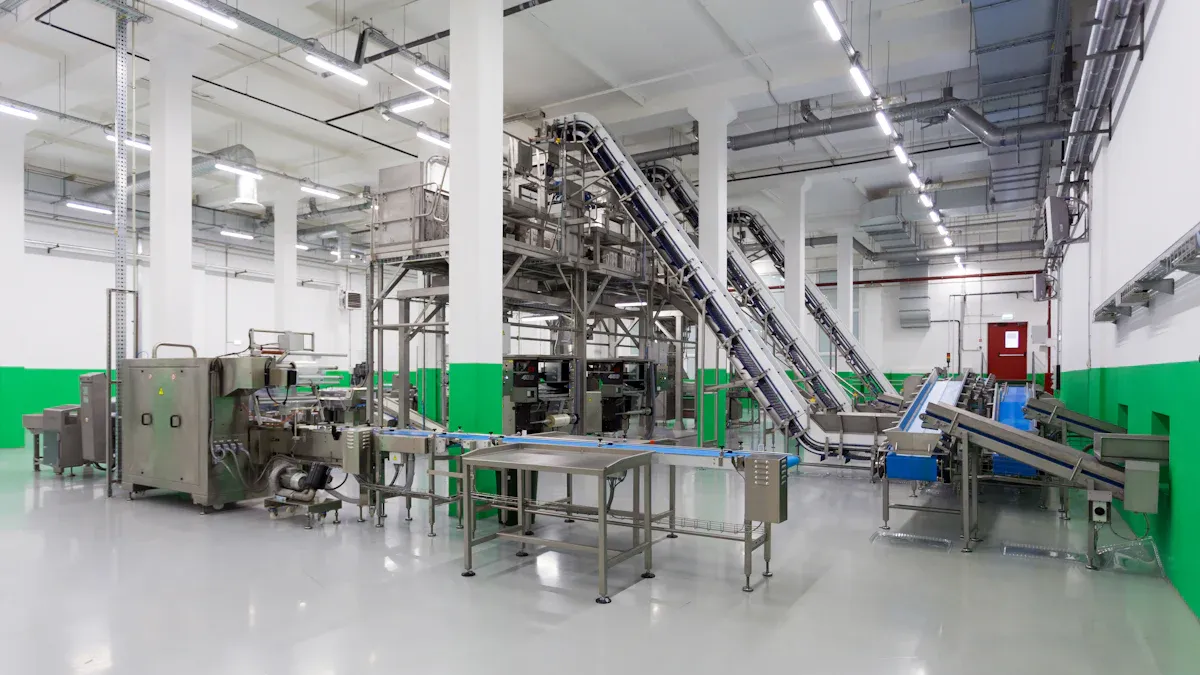
When you set up a recycling operation, you want your plastic recycling machine to work smoothly with your washing line. The right integration boosts your efficiency and helps you get the most out of every batch. You can connect several types of machines to your washing line. Here’s a quick list of the most compatible options:
Shredders and Crushers
Granulators
Washing Lines and Friction Washers
Pelletizers and Extruders
Balers and Compactors
Complete Recycling Lines
You start by feeding waste into a plastic crusher or shredder. This step breaks down large pieces into smaller flakes. Next, the washing line removes dirt and labels. After that, you can use a granulator or pelletizer to turn clean flakes into pellets. Each plastic recycling machine plays a role in the process.
Tip: When you connect your machines, you can recycle over 80% to 90% of your water. This saves money and helps the environment.
Here’s how the process usually works:
Process Stage | Description |
|---|---|
Feeding and Size Reduction | Waste plastics are collected and shredded into smaller flakes. |
Pre-Washing | Loose dirt, labels, and residues are removed. |
Intensive Cleaning | Friction and hot washing remove oil, glue, and organic contaminants. |
Separation | Sink-float tanks classify materials by density, separating usable plastics from unwanted waste. |
Rinsing | Clean water rinses off chemicals and residues. |
Dewatering and Drying | Excess moisture is removed for dry, ready-to-use flakes. |
Final Sorting and Packaging | Clean flakes are screened, collected, and stored for reuse or sale. |
When you use an integrated plastic recycling machine setup, you get improved throughput, reduced contamination, and better quality recycled materials. You also cut down on production costs and lower your impact on the planet.
Modern plastic recycling machine options come packed with smart features. These upgrades make your job easier and your output better. You can find machines with sensor systems that spot different types of materials. Automated sorting means you spend less time picking out the wrong stuff. Temperature control keeps everything running at the right heat for top results.
Check out some advanced features you might want:
Feature | Description |
|---|---|
Sensor Systems | Incorporate sophisticated systems for accurate material identification. |
Automated Sorting | Mechanisms that streamline the sorting process, enhancing efficiency. |
Temperature Control | Precise systems for optimal processing conditions. |
Smart Monitoring | Real-time operational data for proactive maintenance and performance optimization. |
Advanced Control Interfaces | Allow fine-tuning of processing parameters for different plastic types. |
Industry 4.0 Integration | Enables remote monitoring and control capabilities, improving operational oversight. |
You’ll notice these features help you in many ways:
They streamline sorting, shredding, and washing.
They cut down on manual work, which means you save on labor and boost safety.
Some plastic recycling machine models even use AI-powered sorting for faster throughput. Others have contamination detection systems that keep your output clean. You can also find machines that adjust their settings automatically for real-time optimization.
Note: With these advanced features, you get a plastic recycling machine that works smarter, not harder. You spend less time fixing problems and more time producing high-quality recycled materials.
If you want a recycling operation that grows with your business, look for machines with modular designs and smart controls. You’ll stay ahead of the curve and keep your operation running strong.
You want to make the right choice for your plastic washing line factory. Start by matching your material type, contamination level, and capacity needs. Look for automation, moisture control, and enough space. Use this checklist to guide your evaluation:
Checklist Item | Description |
|---|---|
Define process envelope | Document material, volume, and quality requirements |
Compare technical routes | Review design, automation, and maintainability |
Test business realism | Stress-test for demand and cost shifts |
Prepare operating model | Plan maintenance and operator skills |
Choosing a factory with strong support and advanced technology brings efficiency, flexibility, and cost savings. Consider trusted brands like Dyun for reliable solutions.
A plastic washing line is a set of machines that clean and process plastic waste. You feed in dirty plastic, and the line washes, dries, and prepares it for recycling.
You should look at your plastic type and how dirty it is. Hot washing lines work best for sticky labels and tough stains. Cold lines save energy and work for lightly soiled plastics.
Most small washing lines fit in a standard warehouse. You need extra room for feeding, sorting, and storing materials. Ask your supplier for a layout plan before you buy.
Yes, many factories offer modular designs. You can add new machines or expand your line as your business grows. This helps you stay flexible and manage costs.
You should clean the machines daily and check for worn parts. Regular maintenance keeps your line running smoothly and prevents breakdowns. Most suppliers offer support and spare parts.
Most washing lines take two to six weeks to install. The time depends on your factory size and the complexity of your line. Your supplier can give you a detailed schedule.
Yes! Good suppliers offer technical support, training, and spare parts. You can call or email them if you have problems or questions.
You can process bottles, film, containers, and more. Some lines handle mixed plastics. Check with your supplier to make sure your materials are compatible.