- All
- Product Name
- Product Keyword
- Product Model
- Product Summary
- Product Description
- Multi Field Search
 English

Views: 0 Author: Site Editor Publish Time: 2026-03-03 Origin: Site


Did you know that only 9% of all plastic ever produced has been recycled? As our planet faces increasing plastic waste, the need for sustainable solutions has never been more urgent.
Polylactic Acid (PLA) is a biodegradable alternative to traditional plastics, playing a crucial role in sustainability.
In this article, we’ll explore how modern PLA recycling machines support the circular bio-economy. You’ll learn about their importance, key technologies, and how companies like Jwell are leading the way in transforming waste into valuable resources.
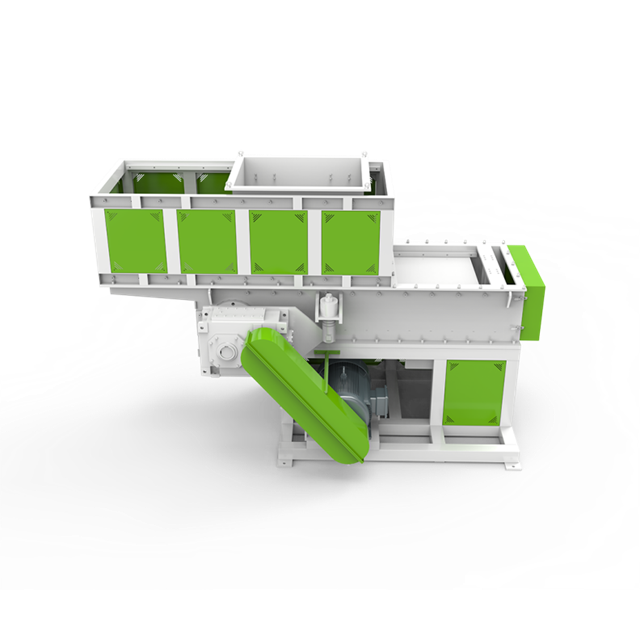
PLA recycling machines are specialized equipment designed to process Polylactic Acid (PLA), a biodegradable plastic made from renewable resources like corn starch. These machines efficiently convert PLA waste back into usable materials, supporting sustainable practices.
Key functionalities include:
● Collection and Sorting: Efficiently gather and categorize PLA waste to prepare it for processing.
● Processing: Transform sorted PLA into high-quality pellets for reuse in various applications.
Several types of PLA recycling machines cater to different processing needs:
● Mechanical Recycling Machines: These use physical methods to grind and melt PLA waste, producing pellets for reuse. They are ideal for rigid plastics.
● Chemical Recycling Machines: These break down PLA into its monomers through chemical processes, allowing for the creation of new PLA from recycled materials.
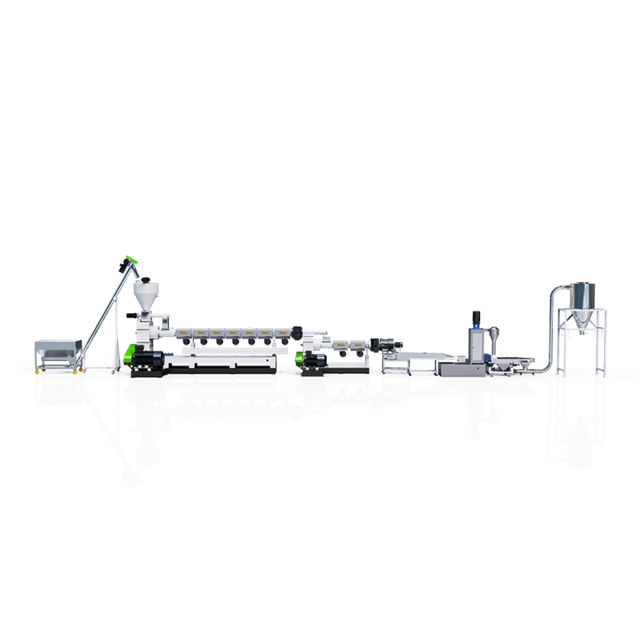
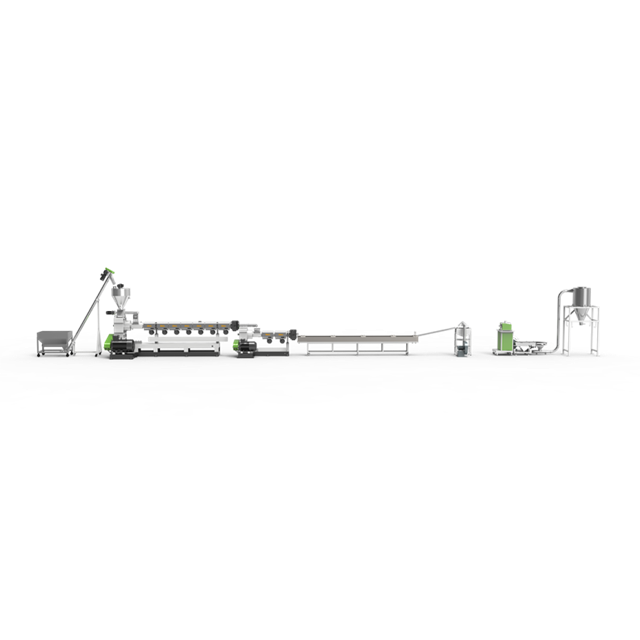
One standout in this field is Jwell, known for its innovative PLA recycling machinery. Their advanced pelletizing lines utilize cutting-edge technology to ensure high efficiency and product quality.
The recycling process involves several key stages, each crucial for maximizing efficiency and output quality:
1. Collection: PLA waste is gathered from various sources, such as packaging or industrial applications.
2. Sorting: The collected materials are sorted to remove contaminants and ensure only PLA enters the recycling process.
3. Processing: The sorted PLA is then processed, which includes grinding, melting, and extruding into pellets.
Key Technologies Involved:
● Dual-Stage Granulation Technology: Jwell's dual-stage granulation system enhances the recycling efficiency of rigid plastics. This technology allows for thorough plasticization and uniform pellet size, ensuring high-quality output.
Table: Comparison of PLA Recycling Machine Types
Type | Method of Recycling | Ideal For | Benefits |
Mechanical Recycling | Grinding and melting | Rigid PLA products | Simple, effective, and cost-efficient |
Chemical Recycling | Breaking down into monomers | All PLA forms | Produces high-quality raw materials |
Incorporating these technologies not only improves the recycling process but also contributes to the overall sustainability of plastic use. By utilizing advanced machinery like Jwell's, businesses can significantly reduce waste and promote a circular economy.
Through the effective use of PLA recycling machines, we can transform plastic waste into valuable resources, paving the way for a more sustainable future.
PLA, or Polylactic Acid, is a popular bioplastic made from renewable resources. However, its improper disposal can lead to significant environmental challenges.
Environmental Impact of PLA Waste:
● Decomposition Rate: While PLA is biodegradable, it does not break down efficiently in landfills.
● Greenhouse Gas Emissions: When PLA waste decomposes anaerobically, it can produce methane, a potent greenhouse gas.
Recycling PLA helps mitigate these issues. Unlike traditional plastics, which can take hundreds of years to decompose, recycling PLA reduces waste and limits environmental harm.
Benefits of Recycling PLA vs. Traditional Plastics:
● Lower Carbon Footprint: Recycling PLA reduces reliance on fossil fuels, leading to fewer emissions.
● Resource Conservation: Recycled PLA can be used to create new products, minimizing the need for virgin materials.
Companies like Dyun, a subsidiary of Jwell, are at the forefront of this movement. They develop efficient recycling solutions that enhance PLA's lifecycle and contribute to a more sustainable future.
PLA recycling machines play a vital role in closing the loop on bio-based materials. By transforming waste into high-quality feedstock, they help maintain the integrity of the circular economy.
Closing the Loop on Bio-Based Materials:
● Reprocessed Material Use: Once PLA is recycled, it can be reused in various applications, reducing the need for new raw materials.
● Sustainable Production: This practice supports a system where materials are continuously recycled, minimizing waste and environmental impact.
Reducing Reliance on Virgin Materials and Fossil Fuels:
● Less Dependency: By recycling PLA, we lessen our dependence on virgin materials, which often involve significant energy consumption during extraction and processing.
● Sustainable Sourcing: The use of recycled PLA decreases the demand for petroleum-based plastics, further promoting sustainability.
Jwell’s PLA recycling machines exemplify this contribution. Their advanced technology transforms PLA waste into high-quality pellets, ready for reuse in manufacturing. This process not only supports the circular economy but also enhances the efficiency of production lines.
Table: Benefits of PLA Recycling Machines
Benefit | Description |
Environmental Sustainability | Reduces landfill waste and greenhouse gas emissions. |
Economic Efficiency | Lowers production costs by reusing materials. |
Resource Conservation | Minimizes the need for virgin resources. |
By investing in PLA recycling machines, businesses can significantly impact the environment while also benefiting economically. These machines are essential for fostering a circular bio-economy that prioritizes sustainability and resource efficiency.
Modern PLA recycling machines incorporate several advanced technologies that enhance efficiency and effectiveness. These innovations ensure that the recycling process is both streamlined and environmentally friendly.
Automated Sorting and Washing Systems:
● Efficiency: Automated systems quickly sort PLA waste from other materials, reducing contamination risks.
● Quality Control: These systems ensure only clean, high-quality PLA enters the recycling process, which is crucial for producing superior pellets.
Precision Temperature Control:
● Effective Processing: Maintaining the right temperature is vital for melting PLA without degrading its quality.
● Consistency: Precision control systems allow for uniform processing, resulting in consistent pellet sizes and properties.
A standout feature of Jwell's equipment is its modular design. This design enables quick adjustments to accommodate different types of PLA waste, making it versatile for various applications.
Energy efficiency is a critical aspect of modern PLA recycling machines. These machines are designed to minimize energy consumption while maximizing output.
Comparison of Energy Consumption:
● Recycled vs. Virgin PLA: Research shows that producing recycled PLA can consume up to 50% less energy than creating new PLA from raw materials. This significant reduction highlights the advantages of recycling.
Environmental Benefits:
● Lower Emissions: By using recycled materials, companies can reduce their carbon footprint. This is especially important as industries strive to meet stricter environmental regulations.
● Operational Cost Savings: Energy-efficient machines contribute to lower operational costs, allowing companies to invest savings into further sustainable practices.
Table: Benefits of Energy Efficiency in PLA Recycling Machines
Feature | Benefit |
Reduced Energy Consumption | Lowers production costs significantly. |
Decreased Emissions | Helps companies meet sustainability goals. |
Enhanced Operational Efficiency | Increases throughput while minimizing waste. |
Jwell's PLA recycling machines are specifically designed to optimize energy use. Their advanced systems not only support lower operational costs but also promote an eco-friendly approach to plastic recycling. By focusing on energy efficiency, these machines play a vital role in supporting the circular bio-economy.
With the right technology in place, businesses can enhance their recycling processes, reduce waste, and contribute to a more sustainable future.
Recycled PLA is becoming increasingly versatile, finding its way into a variety of end products. Its unique properties make it suitable for numerous applications across different industries.
Overview of Products Made from Recycled PLA:
● Packaging: Recycled PLA is widely used in food packaging, such as containers and films. Its biodegradability makes it an attractive alternative for environmentally conscious brands.
● 3D Printing: Many 3D printing enthusiasts and professionals prefer recycled PLA filament. It offers excellent print quality while reducing plastic waste.
● Consumer Goods: Items like cutlery, straws, and disposable cups are now being made from recycled PLA, providing sustainable options for everyday use.
Recycled PLA's adaptability allows it to meet the demands of various sectors, showing its potential to replace traditional plastics effectively.
Several industries are reaping the benefits of using recycled PLA, enhancing their sustainability efforts while meeting consumer demands.
Key Industries Include:
● Packaging: Companies are adopting recycled PLA for packaging solutions. This shift not only reduces waste but also appeals to eco-conscious consumers.
● Consumer Goods: Brands are integrating recycled PLA into their product lines, from biodegradable utensils to eco-friendly toys.
● Medical Applications: The medical industry is exploring recycled PLA for applications like sutures and drug delivery systems, leveraging its biocompatibility.
Case Studies of Companies Using Jwell's Recycled PLA Products:
● EcoPack: This packaging company uses Jwell's recycled PLA to produce compostable food containers. Their commitment to sustainability has helped them gain a competitive edge in the market.
● GreenPrint: A startup focused on eco-friendly 3D printing materials, GreenPrint utilizes Jwell's recycled PLA filament. This choice has significantly reduced their environmental footprint while maintaining product quality.
Table: Applications of Recycled PLA by Industry
Industry | Applications | Benefits |
Packaging | Food containers, films | Biodegradable, reduces plastic waste |
Consumer Goods | Cutlery, straws, eco-friendly toys | Sustainable alternatives for consumers |
Medical | Sutures, drug delivery systems | Biocompatible and safe for medical use |
The applications of recycled PLA are expanding rapidly, showcasing its potential to transform various industries. As companies increasingly adopt PLA recycling machines, they can contribute to a more sustainable future while meeting the growing consumer demand for eco-friendly products. Through these innovations, recycled PLA is proving to be a valuable asset in the push toward a circular bio-economy.
Recycling PLA presents several challenges that can hinder its effectiveness. Understanding these issues is crucial for improving the recycling process.
Contamination Issues:
● Impact on Efficiency: Contaminants, such as non-biodegradable plastics or food residues, can significantly reduce the quality of recycled PLA. This contamination can lead to lower recycling rates and inefficient processing.
● Sorting Difficulties: The presence of mixed materials makes it challenging to sort PLA effectively, impacting overall recycling efficiency.
Consumer Awareness and Acceptance:
● Lack of Knowledge: Many consumers are unaware of the benefits of PLA recycling or how to properly dispose of PLA products. This lack of awareness can lead to improper disposal, further complicating the recycling process.
● Perception Issues: Some consumers may perceive recycled products as inferior, which can deter them from choosing sustainable options.
Jwell is actively addressing these challenges through initiatives aimed at educating the market about the benefits of PLA recycling. By raising awareness, they hope to improve consumer participation and acceptance.
To tackle the challenges in PLA recycling, innovative solutions are essential. Here are some strategies being implemented:
Improving Collection and Sorting Infrastructure:
● Enhanced Systems: Investing in advanced sorting technologies can help separate PLA from contaminants more effectively. This leads to higher quality recycled materials.
● Collaboration: Partnerships with local governments and waste management companies can improve collection systems, ensuring more PLA is captured for recycling.
Educating Consumers:
● Awareness Campaigns: Jwell has launched campaigns to inform consumers about the benefits of PLA and how to recycle it properly. These campaigns aim to change perceptions and encourage responsible disposal.
● Resource Availability: Providing easily accessible information on recycling practices helps consumers make informed choices.
Partnerships with Educational Institutions:
● Fostering Talent: Jwell collaborates with universities and technical schools to develop educational programs focused on recycling technologies. This initiative aims to cultivate a skilled workforce ready to tackle the challenges in the recycling industry.
● Research and Development: These partnerships also facilitate research into new recycling methods and technologies, driving innovation in the field.
Table: Challenges and Solutions in PLA Recycling
Challenge | Impact on Recycling | Solution |
Contamination Issues | Reduces recycling efficiency | Advanced sorting technologies |
Consumer Awareness | Low participation in recycling | Awareness campaigns and educational resources |
Sorting Difficulties | Complicates processing | Improved collection infrastructure |
By addressing these challenges head-on, Jwell and the industry can enhance the effectiveness of PLA recycling. These efforts not only improve the recycling process but also contribute to a more sustainable future.
PLA recycling machines are essential for promoting a circular bio-economy.
They play a vital role in converting waste into valuable resources.
Jwell is committed to sustainability through innovative recycling solutions.
We encourage readers to support PLA recycling initiatives.
By participating, individuals and businesses can contribute to a more sustainable future.
A: PLA recycling machines primarily process PLA waste, including packaging, 3D printing filament, and other biodegradable products.
A: PLA is biodegradable and made from renewable resources, resulting in a lower carbon footprint compared to traditional plastics.
A: Investing in PLA recycling technology reduces waste disposal costs, lowers material expenses, and enhances brand reputation.
A: Businesses can adopt PLA recycling by implementing collection systems, partnering with recycling firms, and educating consumers on proper disposal.