- All
- Product Name
- Product Keyword
- Product Model
- Product Summary
- Product Description
- Multi Field Search
 English

Views: 240 Author: Site Editor Publish Time: 2026-06-03 Origin: Site


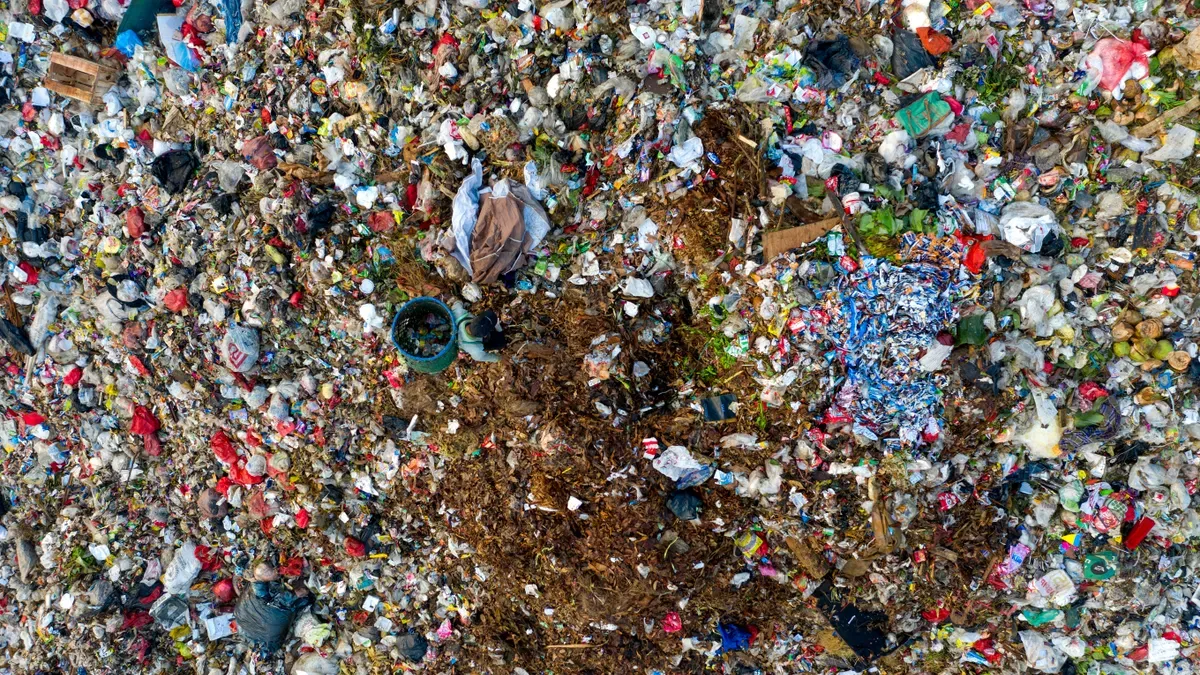
A plastic crusher machine helps you break down plastic waste into small, uniform pieces. You feed plastic items into the machine, and sharp blades cut them into smaller particles. A screen inside the machine controls the size of these pieces to match the needs of the recycling process. This step makes the recycling process smoother and more efficient. Using a plastic crusher machine reduces plastic waste and supports recycling efforts.
The table below shows how crushed plastic improves recycling rates:
Description | Impact on Recycling Rate |
|---|---|
Crushed plastic is easier to transport and process | More efficient recycling operations, higher recycling rate |
Uniform particle size improves washing and cleaning | Higher quality recycled materials, boosted recycling rates |
Crushed plastic saves space in recycling facilities | More waste handled, higher recycling rates |
Crushed plastic melts better and uses less energy | Better recycled products, more energy-efficient recycling |
Processing all plastic waste helps prevent pollution | Environmental protection and sustainability in recycling efforts |
You can find many plastic crusher machine manufacturers who design these machines for different recycling needs.
A plastic crusher machine breaks down plastic waste into small, uniform pieces for easier recycling.
Crushed plastic improves recycling efficiency by making transportation, cleaning, and processing simpler.
Using a plastic crusher reduces plastic waste volume by up to 80%, saving space and lowering transportation costs.
The machine supports environmental sustainability by reducing plastic pollution and the need for new plastic production.
Plastic crushers handle various materials like bottles, films, pipes, and injection molding scraps for recycling.
Choosing the right machine depends on capacity, material type, power, and safety features to match your needs.
Regular maintenance, including cleaning, blade care, and lubrication, ensures the machine runs efficiently and lasts longer.
Safety features like guards, emergency stops, and proper training protect operators during machine use.
You play a key part in the recycling industry when you use a plastic crusher machine. These machines break down plastic waste into smaller, uniform pieces. This size reduction makes it easier to handle, transport, and process the material.
Plastic crushers perform both coarse crushing and fine grinding, so you can turn large items into particles as small as 2 to 10mm.
After initial shredding, the machine refines the material, giving you a standardized raw material for further processing.
High-speed impact and shear mechanisms help you create uniform particles, which are essential for granulation or material modification.
You can control the final particle size to meet specific recycling needs.
When you feed waste plastics into a crusher, you make the recycling process smoother. The machine can handle many types of plastics, such as bottles, films, and pipes. By reducing the size and volume of plastic waste, you help recycling plants work more efficiently and reduce the amount of material sent to landfills.
Plastic crusher machines offer important environmental benefits. When you crush plastic waste, you reduce its volume by up to 80%. This makes transportation easier and lowers shipping costs and carbon emissions.
The process increases material density by breaking down air gaps in containers.
You also save energy during recycling, which leads to more efficient production of recycled products.
By using these machines, you help decrease the need for new plastic production, which reduces the use of fossil fuels and raw materials.
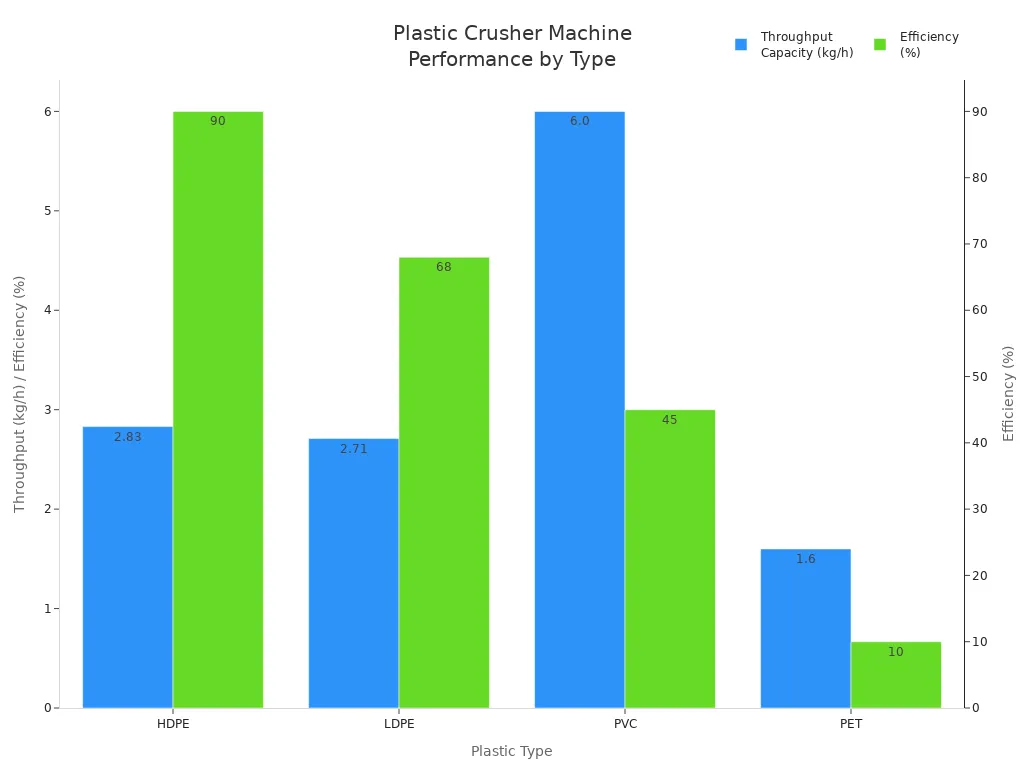
Here is a table showing how different types of plastics perform in a crusher machine:
Plastic Type | Throughput Capacity (kg/h) | Efficiency (%) |
|---|---|---|
HDPE | 2.83 | 90 |
LDPE | 2.71 | 68 |
PVC | 6.00 | 45 |
PET | 1.60 | 10 |
When you use a crusher, you help reduce plastic pollution. The machine can crush half a ton of plastic daily, making it easier to recycle and keeping it out of the environment.
Using a plastic crusher machine can save you money and improve your recycling operation.
Automated recycling lines cost more at first, but you can recover your investment in 12 to 18 months.
Labor savings reach 40–60%, as you need fewer workers per shift.
You also lower transportation costs because crushed plastic takes up less space and is easier to move.
By making recycling more efficient, you help create a circular economy. You reduce the need for new materials and support sustainable business practices. The use of plastic crusher machines helps you manage plastic waste better and supports the growth of the recycling industry.
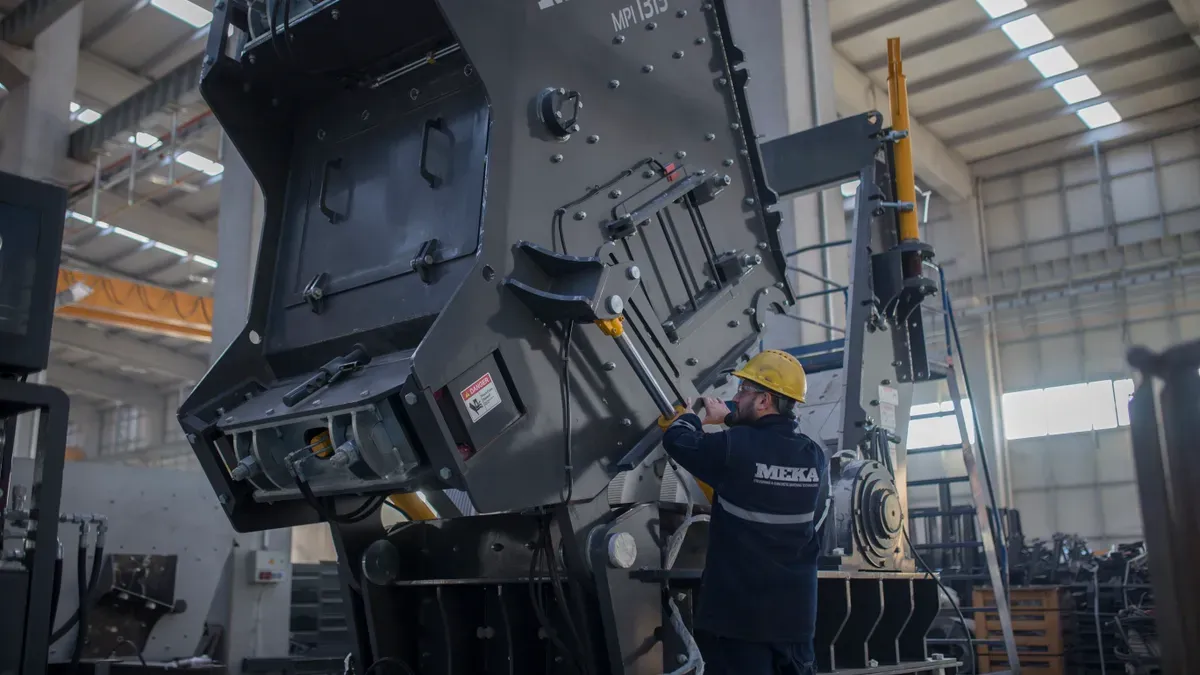
You start the recycling process by feeding plastic waste into the crusher machine. The feed hopper helps you regulate the flow and prevents overfeeding. You can process many types of plastics, including PE, PP, PVC, ABS, and PS. These materials may come as rigid parts, soft films, pipes, or injection rejects.
Soft plastics, such as PE/PP films and woven bags, require low-speed units or specialized compactor feeding.
Pipes and profiles, like PVC and HDPE, need staggered rotor designs to avoid stalling.
Injection rejects, including molding scrap and runners, are ideal for immediate reuse.
The efficiency of your machine depends on how you manage the feeding process:
Feed rate and presentation are crucial for efficiency.
Overfeeding can cause motor overload and blade damage.
Underfeeding reduces productivity.
Automated feeding systems with metal detectors provide stable input.
Adjust conveyor speed to control feed rate.
Monitor feed rate to ensure consistency.
Tip: Consistent feeding keeps your crusher running smoothly and prevents costly downtime.
Once you feed the plastic, the cutting system takes over. The cutting chamber contains blades and knives that slice the material into smaller pieces. You can use a shredder for large blocks before processing them in the crusher. This two-stage approach protects your equipment and maximizes throughput.
Feature | Shredder | Crusher |
|---|---|---|
Working Principle | Low-speed, high-torque tearing | High-speed squeezing and shearing |
Target Input | Heavy, thick, or irregular items | Smaller, thinner plastics |
Output Effect | Coarse, large chunks | Uniform, small flakes |
Blade Wear | High wear due to contamination | Steady wear, requires cleaner feedstock |
Shredders operate at 50–100 RPM with high torque.
Crushers run at 300–600 RPM, relying on blade velocity.
Shredders yield irregular strips, while crushers deliver uniform flakes.
Rotating blades spin at high speed inside the cutting chamber. These blades use velocity and force to slice plastic into smaller particles. The configuration and number of blades affect the final particle size. Claw blades work well for bulky solids, while flat blades suit thinner materials. You can achieve finer cuts by increasing the number of blades or adjusting their arrangement.
Fixed knives stay stationary while rotating blades move past them. The interaction between these two components creates a shearing action. This action breaks down the plastic efficiently. The design of the cutting chamber and the type of rotor used influence how effectively you process the material. You can choose different blade types and arrangements to match your recycling needs.
After cutting, the crushed plastic passes through a screen. The screen acts as a gatekeeper, controlling the size of the output particles. You can select screens with different mesh sizes to achieve your desired particle size.
Smaller screen apertures produce finer particles.
Larger screen apertures allow coarser output.
The mesh size defines the maximum particle dimension in the undersize fraction.
A balance between mesh size and opening area ensures optimal screening capacity and accuracy.
Material characteristics, such as thickness and hardness, affect how well screens separate different types of crushed plastics.
Factor | Description |
|---|---|
Screen Mesh Size | Finer openings allow smaller particles to pass through. |
Opening Rate | Higher rates increase the likelihood of appropriately sized particles passing through. |
Material Characteristics | Different materials behave differently during the vibrating process, affecting separation effectiveness. |
Note: The screen and blade configuration together determine the uniformity and quality of your recycled plastic output.
After the plastic passes through the screen, you collect the crushed material in the discharge area. The discharge process ensures that you get uniform, clean particles ready for recycling or further processing. You can choose different discharge methods based on your needs and the type of plastic you process.
Gravity discharge lets the crushed plastic fall directly into a collection bin or conveyor.
Pneumatic discharge uses air flow to move the material to a storage area or another machine.
Conveyor discharge transports the particles to washing, sorting, or pelletizing stations.
You control the discharge speed and direction to match your recycling workflow. If you use a conveyor, you can adjust the belt speed to prevent overflow and keep the process efficient. Pneumatic systems help you handle lightweight materials, such as films and flakes, without manual labor.
Tip: Always check the discharge area for blockages or buildup. Clean the chute and conveyor regularly to avoid downtime and maintain consistent output.
You can see the main discharge options in the table below:
Discharge Method | Best For | Advantages | Maintenance Needs |
|---|---|---|---|
Gravity | Heavy, dense plastics | Simple, low cost | Minimal cleaning |
Pneumatic | Light, fluffy plastics | Fast, reduces manual work | Filter and duct cleaning |
Conveyor | Mixed materials | Flexible, easy integration | Belt and roller checks |
You improve your recycling efficiency when you manage the discharge process well. Uniform discharge helps you produce high-quality recycled plastic. If you want reliable discharge performance, you should consider machines from Dyun. You can find more information at Dyun's product page.
The hopper is the first part you interact with when using a plastic crusher machine. You pour plastic waste into this funnel-shaped container. The hopper’s design plays a big role in how smoothly your machine works. A well-designed hopper guides plastic pieces directly into the cutting chamber. This helps prevent jams and keeps materials from bouncing out or getting stuck. You will notice that rigid plastics, like bottles, move differently than soft films. The hopper must handle both types without slowing down the process. If the hopper is too narrow or steep, you might see blockages. If it is too wide, materials can scatter or spill. You should always check that the hopper fits the types of plastics you plan to recycle. A good hopper makes feeding easy and keeps your machine running efficiently.
Tip: Choose a hopper that matches your material type for the best feeding performance.
After plastics leave the hopper, they enter the cutting chamber. This is where the real action happens. Inside the chamber, sharp blades and fixed knives work together to chop the plastic into smaller pieces. You control the size of the output by adjusting the blades and the screen below. The chamber must be strong enough to handle tough materials without bending or breaking. You will find that the shape and size of the chamber affect how quickly and evenly the machine cuts plastic. A larger chamber can process more material at once, while a smaller one gives you finer control. The chamber also includes safety covers to protect you from moving parts. Regular cleaning of the cutting chamber helps prevent buildup and keeps your machine working at its best.
Key features of a cutting chamber:
Durable steel construction
Easy access for cleaning
Adjustable blade positions
Safety covers
The motor powers the entire plastic crusher machine. You rely on the motor to spin the blades and drive the cutting action. The strength of the motor is measured in horsepower (HP) or kilowatts (kW). Higher power means the machine can crush tougher plastics and handle larger loads. Most industrial plastic crushers use motors with a wide range of power ratings.
Here is a table showing common motor power ratings:
Motor Power | Range |
|---|---|
5 HP | 5 HP |
15 HP | 15 HP |
20 HP | 20 HP |
30 HP | 30 HP |
15–70 HP | 15–70 HP |
10–120 HP | 10–120 HP |
You may also see motors rated in kilowatts. For example, a plastic shredder often uses a motor with 15–132 kW of power. When you choose a crusher, think about the types of plastics you want to process. Harder or thicker plastics need more motor power. A strong motor helps you avoid slowdowns and keeps your recycling line moving.
Note: Always check the motor rating before starting your machine. This helps you match the motor’s strength to your recycling needs.
The screen in a plastic crusher machine controls the size of the plastic pieces you produce. You find the screen located just below the cutting chamber. It acts like a filter, letting only particles small enough to pass through. You can choose screens with different mesh sizes to match your recycling needs.
A screen with a smaller mesh size creates finer plastic particles. This helps you get a more uniform output, which is important for high-quality recycling. However, smaller mesh sizes can clog more easily. This slows down the machine and reduces how much plastic you can process at one time. If you want to process material quickly, you might use a screen with larger mesh openings. This lets plastic pieces move through faster, but the output will not be as uniform.
Smaller mesh apertures produce finer particles but may clog more frequently, reducing throughput.
Larger mesh apertures increase the speed of material processing but may result in less uniform particle output.
You should check the screen regularly for blockages. Clean screens help you keep the machine running smoothly. If you notice the machine slowing down, the screen might need cleaning or replacement. You can also swap screens to change the particle size for different types of plastic.
Tip: Choose a screen size that balances your need for speed and the quality of the recycled plastic.
Safety features protect you and your team when you operate a plastic crusher machine. You should always follow safety rules and use the right equipment. Before you start the machine, check that all safety guards are in place. These guards cover moving parts and prevent accidental contact.
You must wear personal protective equipment (PPE) such as safety glasses, gloves, hearing protection, and steel-toed boots. This gear shields you from flying debris, loud noise, and other hazards. Make sure you know where the emergency stop buttons are. You should practice using them so you can stop the machine quickly if something goes wrong.
Operators should undergo comprehensive training covering equipment operation, safety protocols, emergency procedures, and maintenance practices.
Operators must wear safety glasses, gloves, hearing protection, and steel-toed boots to safeguard against potential hazards.
Operators should be familiar with the location and functionality of emergency stop buttons to quickly halt operations in case of emergencies.
Inspect the hopper, verify emergency stop functionality, and ensure safety guards are in place before starting the machine.
During maintenance, isolate the power source and secure equipment with lockout devices to prevent accidental start-ups.
You should also perform pre-operation checks. Inspect the hopper, test the emergency stop, and confirm that all guards are secure. When you need to clean or repair the machine, use lockout and tagout procedures. This means you disconnect the power and lock the controls so no one can start the machine by accident.
Note: Good safety habits keep you and your team safe. Always follow the manufacturer’s instructions and use the safety features provided.
If you want a machine with reliable safety features, consider Dyun’s plastic crusher machines. You can find more information at Dyun’s product page.
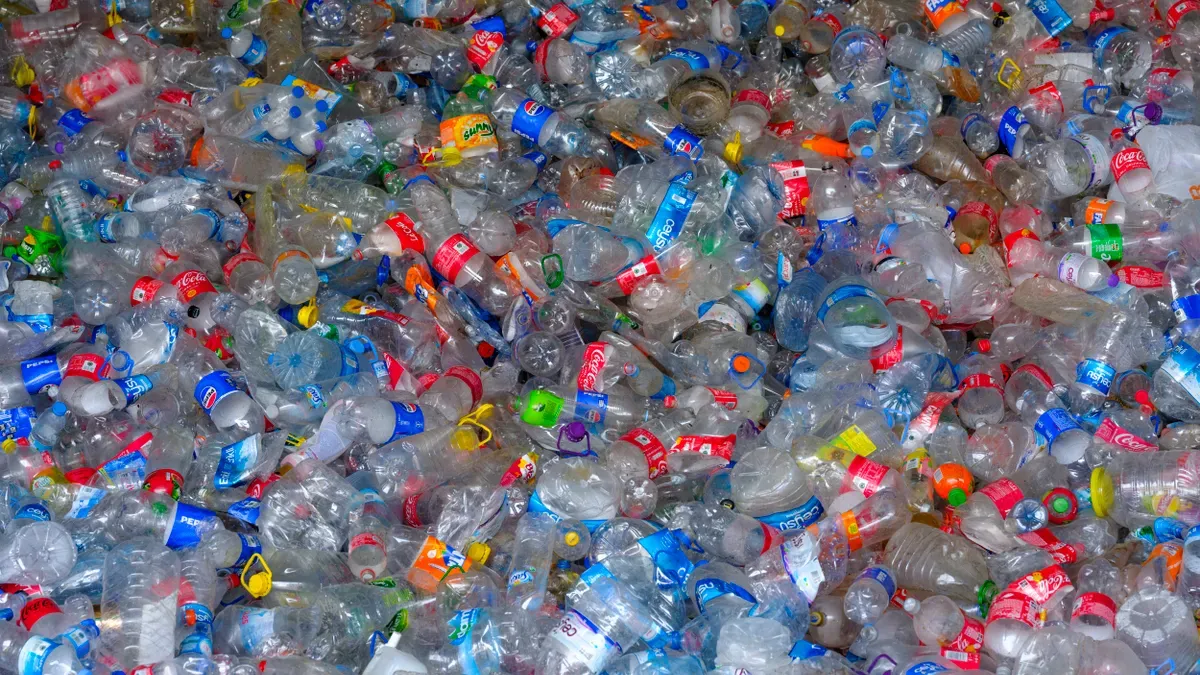
You can use a plastic crusher machine to reduce the volume of plastic waste quickly and efficiently. When you crush large plastic items, you make them smaller and easier to handle. This process helps you save space in your facility and lowers transportation costs. Smaller pieces also fit better into storage bins and containers. You will find that volume reduction is important for recycling plants and any business that deals with large amounts of plastic waste. By reducing the size, you make the next steps in recycling much simpler.
Tip: Crushed plastic takes up less space, so you can store and transport more material at once.
When you use a plastic crusher machine, you improve the quality of your recycling process. Crushing plastic waste into smaller pieces allows for better washing and cleaning. Clean plastic is easier to melt and turn into new products. You also help create higher quality recycled plastic pellets. These pellets are important for making strong and reliable new plastic items. By starting with smaller, uniform pieces, you make every step of recycling more efficient and effective.
A plastic crusher machine helps you:
Remove dirt and labels more easily during washing.
Achieve a consistent particle size for better melting.
Produce recycled pellets that meet industry standards.
You will see plastic crusher machines in many industries. They help you manage plastic waste and reuse materials in different ways. Here are some of the most common applications:
Recycling industry: You crush plastic waste to recycle it into new products.
Manufacturing industry: You break down plastic materials for reuse in production.
Pharmaceutical industry: You crush plastic materials used in drug production.
Construction industry: You process plastic waste for use as aggregate in concrete.
Agriculture industry: You break down plastic waste for use as mulch.
You can also find these machines in:
Recycling plants, where you reduce post-consumer plastics.
Injection molding factories, where you crush defective products for reuse.
Extrusion and blown film industries, where you reprocess edge trims and startup waste.
Packaging manufacturers, where you recycle offcuts to lower disposal costs.
Construction and automotive industries, where you handle large plastic parts.
You often use plastic crusher machines to process bottles and containers. These items make up a large part of plastic waste. When you crush bottles, you remove air gaps and make them easier to wash and recycle. Crushed bottles can be turned into new containers, fibers, or even building materials.
You can also crush films and pipes with these machines. Films, such as plastic bags and wraps, are lightweight and take up a lot of space. Crushing them helps you manage storage and transport. Pipes, which are often thick and rigid, need strong machines to break them down. Once crushed, you can recycle these materials into new pipes, sheets, or other products.
Note: If you want reliable performance and strong results, consider choosing a plastic crusher machine from Dyun. You can explore their products at Dyun’s product page.
When you select a plastic crusher machine, you need to think about how much plastic waste you want to process each day. The machine’s capacity tells you how much material it can handle in an hour. If you run a small recycling operation, you might only need a machine that processes 100 kg per hour. Larger facilities often require machines that can handle several tons every hour.
High-capacity machines help you process more waste and increase your recycling output.
The right capacity lets you match your machine to your daily waste volume.
If you choose a machine with too little capacity, you may face delays and bottlenecks.
A machine with too much capacity can waste energy and increase costs.
You should also look at the size of the motor. Bigger motors usually mean higher capacity, but they also use more electricity. Matching your throughput needs to the right machine helps you save money and work more efficiently.
Tip: Always check your average daily waste volume before choosing a machine. This helps you avoid overloading or underusing your equipment.
Not all plastics behave the same way in a crusher. You need to know what types of plastic you plan to recycle. Hard plastics, like ABS, need heavy-duty machines with strong cast rotors. These rotors can handle tough materials without breaking. Soft films, such as plastic bags or wraps, require machines with open-rotor designs. These designs help prevent the material from melting or clogging the blades.
Hard plastics: Use heavy-duty rotors for predictable crushing.
Soft films: Choose open-rotor designs to manage flexible, lightweight materials.
Mixed plastics: Look for machines that can handle a variety of shapes and sizes.
If you process many types of plastic, you may need a versatile plastic crusher machine. Some plastic crusher machine manufacturers offer models with interchangeable parts or adjustable settings. This flexibility helps you handle different materials without buying multiple machines.
The power of your plastic crusher machine affects how quickly and effectively you can process waste. Machines with higher horsepower or kilowatt ratings can crush thicker and harder plastics. However, more power also means higher energy use. You want a machine that balances strength and efficiency.
Power Rating | Best For | Energy Use |
|---|---|---|
Low (5-10 HP) | Light plastics, films | Low |
Medium (15-30 HP) | Bottles, containers | Moderate |
High (40+ HP) | Thick pipes, hard plastics | High |
Efficient machines help you save on electricity bills and reduce your environmental impact. Some plastic crusher machine manufacturers design their machines with energy-saving motors and smart controls. These features help you get the most out of your investment.
Note: If you want a reliable and efficient plastic crusher machine, consider Dyun. You can explore their full range of products at Dyun’s product page.
When you choose a plastic crusher machine, you need to think about both safety and how easy the machine is to use. Good safety features protect you and your team from accidents. Look for machines with strong safety guards, emergency stop buttons, and lockout systems. These features help you stop the machine quickly if something goes wrong.
Usability is just as important. You want a plastic crusher machine that fits your workflow and makes your job easier. Many machines offer customizable designs for different materials. Some models include enhanced automation, such as automatic feeding and discharge systems. These features save you time and reduce manual labor.
Here are some usability features you should consider:
Adjustable blade settings for different types of plastic.
Quick-change screens that let you switch output sizes fast.
Compact design for easy placement in your facility.
Energy-efficient motors that help lower your operating costs.
High-speed cutting mechanisms for rapid processing.
Easy-to-clean cutting chambers and hoppers.
Tip: Choose a machine with D2 tool steel blades for long-lasting performance. This material stays sharp and handles tough plastics well.
You should also check the screen design. A good screen lets you control the size of the crushed plastic and improves efficiency. Make sure the motor size matches your needs. Most industrial machines use motors between 30 and 90 kW. The right motor helps you process more plastic without wasting energy.
A user-friendly plastic crusher machine keeps your operation safe and productive. Always train your team on proper use and maintenance.
When you look for plastic crusher machine manufacturers, you want a company that offers reliable machines and strong support. Many businesses around the world choose to source their machines from China, which is known as a leading producer of plastic crusher machines. You will find that Chinese manufacturers often provide a wide range of models and customization options.
Here is a table to help you compare important factors when choosing plastic crusher machine manufacturers:
Factor | Why It Matters |
|---|---|
Product Range | Lets you find the right machine for your needs |
Customization | Helps you process different plastics |
After-Sales Support | Keeps your machine running smoothly |
Safety Features | Protects your team and equipment |
Energy Efficiency | Lowers your operating costs |
If you want a trusted manufacturer, consider Dyun. Dyun offers a full line of plastic crusher machines designed for safety, efficiency, and easy use. You can explore their products and find the right solution for your recycling needs at Dyun’s product page.
Note: Choosing the right plastic crusher machine manufacturers helps you get the best results and long-term value for your business.
You need to keep your plastic crusher machine clean and well-inspected to ensure it works at its best. Regular cleaning removes dust, plastic debris, and buildup that can slow down your machine or cause damage. You should follow a routine for cleaning and inspection. This helps you spot problems early and avoid costly repairs.
Examine the machine before each use. Check that all parts are in good condition and nothing is loose or broken.
Carry out regular maintenance on time. This keeps your machine running smoothly and extends its life.
Inspect blades, belts, motors, and electrical parts often. Look for signs of wear, cracks, or damage.
Perform pre-operation checks. Make sure all safety guards are in place and emergency stops work.
Avoid overloading the crusher. Too much material can cause overheating and extra wear.
Monitor the machine while it runs. Listen for strange noises or vibrations. These can signal a problem.
Clean the hopper, cutting chamber, and discharge area after each shift. Remove any stuck plastic or dust.
Tip: Regular inspections help you catch small issues before they become big problems.
Blades are the heart of your plastic crusher machine. Sharp blades cut plastic efficiently and keep your machine working well. Dull blades can slow down your work and cause jams or uneven cuts. You should sharpen or replace blades at set intervals. The timing depends on how much you use the machine and what types of plastic you process.
Plan for 2–3 regrinds per blade before you need a replacement.
Professional regrinding restores over 90% of the blade’s original cutting power and costs less than buying new blades.
Keep at least one full set of spare blades on-site. This lets you swap blades quickly and keep working while the other set is being sharpened.
If you notice the machine is not cutting as well, check the blades first. Replace or sharpen them as needed. Always follow the manufacturer’s instructions for blade care. Dyun machines make blade changes easy and safe. You can find more about their products at Dyun’s product page.
Lubrication keeps your plastic crusher machine running smoothly. Moving parts like bearings, gears, and shafts need oil or grease to reduce friction and prevent wear. You should lubricate these parts every day or as recommended in your machine’s manual.
Use the right type of lubricant for your machine.
Check oil levels and grease points before each shift.
Wipe away old grease and dirt before adding new lubricant.
Watch for leaks or dry spots. These can cause damage if not fixed.
Note: Good lubrication helps your machine last longer and reduces the risk of breakdowns.
Regular cleaning, blade care, and lubrication keep your plastic crusher machine in top shape. If you want reliable performance and easy maintenance, choose a machine from Dyun.
You may face operational issues with your plastic crusher machine from time to time. Troubleshooting helps you identify problems quickly and keep your machine running smoothly. You should always start with a systematic approach. Begin by observing the machine during operation. Listen for unusual noises or vibrations. These signs often point to mechanical issues or blade problems.
You can follow these common troubleshooting steps:
Inspect the blades for dull edges. Sharp blades cut plastic efficiently. Dull blades cause poor performance and uneven particle size. Sharpen or replace blades as needed.
Check lubrication points. Proper lubrication prevents bearing failures. Look for signs of contamination in the oil or grease. Clean and refill as necessary.
Examine the cutting chamber for stiffness and gap stability. Loose or misaligned parts affect cutting quality. Tighten bolts and adjust gaps to restore performance.
Monitor for abnormal sounds or vibrations. These may indicate worn bearings, loose blades, or foreign objects inside the chamber. Stop the machine and investigate the source.
Perform pre-start safety checks. Confirm that knives are installed correctly and screens are seated firmly. Improper installation leads to jams and safety hazards.
Use representative feed during trial runs. Test the machine with the same type of plastic you plan to process. This helps you spot issues before full-scale operation.
Tip: Keep a troubleshooting log. Record each issue and the steps you take to fix it. This helps you track recurring problems and improves maintenance planning.
You may encounter specific problems such as overheating, slow discharge, or inconsistent particle size. Overheating often results from overloading or poor lubrication. Slow discharge can be caused by clogged screens or improper discharge settings. Inconsistent particle size usually points to blade wear or incorrect screen selection.
Here is a table to help you diagnose common issues:
Problem | Possible Cause | Solution |
|---|---|---|
Poor cutting quality | Dull blades | Sharpen or replace blades |
Bearing failure | Lack of lubrication | Lubricate and check for contamination |
Excessive vibration | Loose chamber parts | Tighten bolts and adjust gaps |
Jammed material | Improper knife/screen installation | Reinstall knives/screens correctly |
Slow discharge | Clogged screen | Clean or replace screen |
You should always follow the manufacturer’s guidelines for troubleshooting. If you need reliable support or easy-to-maintain machines, consider Dyun. You can find more information about their products at Dyun’s product page.
You play a key role in reducing plastic waste when you use a plastic crusher machine. These machines help you recycle more efficiently and keep the environment clean. Choosing the right machine and keeping it well-maintained ensures safe and reliable operation. For trusted performance, consider Dyun’s machines. You can explore their full range at Dyun’s product page.
Remember: Responsible plastic handling starts with you. Make smart choices for a cleaner future.
You can crush many types of plastic, including bottles, containers, films, pipes, and injection molding scraps. Most machines handle PE, PP, PVC, PET, and ABS materials.
You should check the blades every week. Sharpen or replace them when you notice dull cuts or reduced performance. Regular blade care keeps your machine running smoothly.
Yes, it is safe if you follow all safety rules. Always use safety guards, wear protective gear, and check emergency stops before starting the machine.
Choose a screen size based on the particle size you need. Smaller mesh sizes give you finer particles. Larger mesh sizes process material faster but produce coarser output.
Most machines work best with dry plastics. Wet materials can clog the screen and cause jams. Dry your plastic waste before crushing for the best results.
You should clean the machine daily, inspect blades and screens, lubricate moving parts, and check for loose bolts. Regular maintenance prevents breakdowns and extends machine life.
You can buy a reliable plastic crusher machine from Dyun. Visit Dyun’s product page to find the right model for your needs.