- All
- Product Name
- Product Keyword
- Product Model
- Product Summary
- Product Description
- Multi Field Search
 English




| Quantity: | |
|---|---|


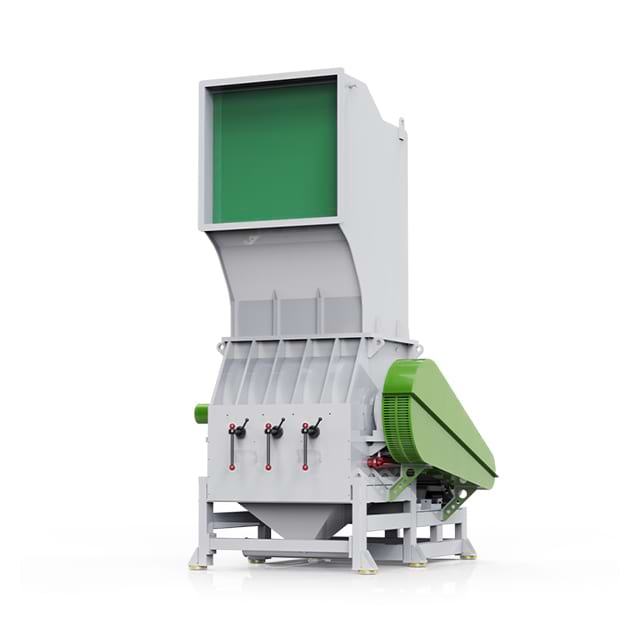
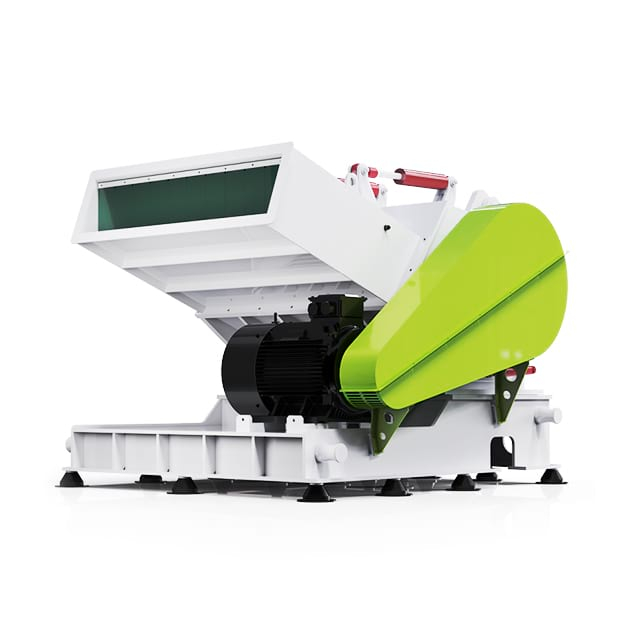
The DYPS-T Series Tray and Plate Special Crusher reduces discarded plastic pallets and building templates. Two model rows provide feed-mouth dimensions, motor power and cutter data.
Wide plastic pallets and construction templates present a feeding problem that differs from thin continuous sheet. Their overall span, ribs and wall sections should be reviewed alongside the feed-mouth dimensions. This range offers two configurations with wide, relatively shallow openings and model-specific motor, rotor and cutter data. Its feeding geometry addresses tray- and plate-like scrap, giving buyers a specific basis for material and equipment comparison. Buyers can compare the two output ratings while defining whether the incoming items arrive intact or already reduced. The next recovery step remains important because crushed material may require cleaning or further processing before reuse. A practical enquiry records normal item dimensions, thick sections and the required discharge condition, then relates those details to the selected feed and cutting arrangement.
Plastic pallets and building templates are the core applications identified for this equipment. Describe ribs, hollow sections and any attachments on the waste. These details help assess feeding and cutting loads beyond the material's overall width.
Pallets and templates should be measured across their widest span and thickest features. Ribs, feet and attached components can create a different duty from a flat plate of the same width. Include normal and difficult examples so the feeding review describes the items that will actually enter the machine.
DYPS-T1200 lists a 1200*300 mm feed mouth. DYPS-T1500 lists 1500*300 mm. The shared 300 mm second dimension matters when assessing thick or structured items; a wider opening does not accept every pallet shape automatically.
The wide opening is a shape-specific selection point. Compare its height as well as width with the intended feed, and identify whether items require preparation before loading. A large width entry does not establish acceptance of every pallet shape or thick section without review of the complete cutting arrangement.
The model table lists 600 kg/h for DYPS-T1200 and 800 kg/h for DYPS-T1500. Use these specific rows when shortlisting the range. Actual throughput still needs review against the pallet or template condition.
Published outputs should be compared using the same scrap description. The two ratings support an initial size choice, but item shape and feeding conditions still matter. Define the normal material and accepted discharge requirement so the proposed production duty can be assessed on a consistent basis.
MODEL | Feed mouth size (mm) | Motor power (kw) | Rotor blades (PCS) | Fixed Blade (PCS) | Rotor diameter (mm) | Output (Kg/h) |
DYPS-T1200 | 1200*300 | 75-90 | 10/14 | 4 | 600 | 600 |
DYPS-T1500 | 1500*300 | 90-160 | 10/14 | 4 | 600 | 800 |
| Parameter | Value |
| Voltage | 380V 50Hz, customizable |
| Applicable Plastic Types | PVC, PET, ABS, PP/PE, PE, PP, PC, PMMA, PA, PS |
| Maximum Capacity | 120 kg per hour |
| Application | Plastic waste crushing |
| Core Selling Point | Multi-functional |
| Core Components | Motor, etc. |
| Applicable Materials | Plastic, wood, straw, etc. |
| Crushing Degree | Granular particles |
DYPS-T1200 lists 75-90 kW motor power, while DYPS-T1500 lists 90-160 kW. Confirm the motor selected for the proposed cutting duty. Other equipment in the recovery process should be included separately in plant load planning.
Motor alternatives must be resolved into the selected drive before ordering and electrical planning. Review the rating alongside the knife arrangement and intended material. The quoted scope should also identify auxiliary equipment so a main motor figure is not treated as total installation power.
Both models list a 600 mm rotor diameter, 10/14 rotor blades and 4 fixed blades. The shared cutter data means selection cannot be based on blade count alone. Feed width and drive specification remain important differences.
The shared rotor dimension and different knife counts provide two distinct comparison points. Neither tells the buyer the complete output-size distribution. State the condition required by the next process and confirm the proposed cutting arrangement, keeping cutter construction data separate from the finished material requirement.
For thinner sheet feed with controlled traction, compare the DYPS-P sheet crusher. For more general light scrap, review the DYPS light crusher. Each route should be matched to the actual product shape and feed presentation.
Thin continuous sheet and bulky tray-like waste require different feeding discussions. Identify which material form dominates the project before comparing the related ranges. That decision is more useful than selecting a machine by its title or assuming that every broad plastic panel behaves like sheet fed from a production line.
The cut material can serve as secondary raw material for recycled plastic products or composites when suitable. Separate incompatible polymers and contamination before reuse. The crusher supplies size reduction, while final material quality depends on the later recovery process.
The recovery destination should be defined before finalizing collection. Crushed pallet or template material may follow a cleaning or pelletizing route, depending on its condition. Describe sorting and contamination separately so the crusher's reduction duty is not confused with preparation for every possible reuse application.
Give DYUN's crushing team item drawings or photographs, polymer type and expected hourly input. Include the largest cross-section and any metal fasteners. Request a feed assessment for the selected model before specifying the installation.
Provide scaled photographs that show ribs and thick features as well as overall dimensions. Include how items will be handled at the feed mouth and where reduced material will go. This lets the equipment proposal address the practical pallet-loading problem together with the selected motor and cutting arrangement.
The DYUN manufacturing introduction explains its plastic recycling machinery focus. A DYPS-T project should define the pallet or template geometry clearly, keeping the proposed application tied to the actual crusher model data.
For pallet and template projects, shape-specific feeding is the central manufacturer discussion. The proposal should connect the wide opening with ribs, feet and thick sections in the actual waste. Loading and collection requirements then complete the installation scope around the selected cutting equipment.

Compare item width, thickness, ribs and protruding features with the feed opening and cutting arrangement. The range is intended for pallet and template-type plastic waste. Overall width alone does not establish whether an intact item is suitable for direct feeding.
The two entries are 1200×300 and 1500×300 mm. Review the 300 mm dimension alongside the width, particularly for pallet feet or thick sections. The actual item geometry should be included in the feeding assessment.
The model-specific ratings are 600 and 800 kg/h. Compare these with the intended material and feeding method. They should not be replaced by unrelated generic capacity figures or treated as identical performance for all pallet shapes.
The feeding duties differ. Wide pallet or template waste needs an item-geometry review, while thin sheet with traction involves a continuous-feed discussion. Choose the structure around the actual feed form and the required downstream material condition.
Supply polymer, scaled photographs, maximum dimensions and thickest sections. State whether pallets arrive intact, plus the desired output and collection scope. This gives the proposal a defined material-handling basis instead of only a requested motor or capacity.
Confirm the selected feed mouth, drive, knife arrangement and acceptance of representative items. Review loading access and discharge collection in the installation layout. Any preparation required before feeding should be identified in the purchase scope.