
- All
- Product Name
- Product Keyword
- Product Model
- Product Summary
- Product Description
- Multi Field Search
 English

Views: 0 Author: Site Editor Publish Time: 2026-03-06 Origin: Site


Are you struggling with plastic waste in your facility? Choosing the right equipment can make a huge difference.
Plastic bottle crushers play a vital role in effective waste management.
In this article, we will compare hydraulic and manual plastic bottle crushers. You’ll learn how to select the best option for your operational needs and maximize efficiency.
Plastic bottle crushers are machines designed to reduce the size of plastic bottles, making them easier to handle and recycle.
These devices serve several purposes:
● Volume Reduction: They compress bottles, significantly decreasing their size.
● Ease of Transport: Crushed bottles take up less space, simplifying logistics and storage.
● Preparation for Recycling: They facilitate the recycling process by making bottles easier to sort and process.
Common types of plastics processed include:
● PET (Polyethylene Terephthalate): Widely used for beverage bottles.
● HDPE (High-Density Polyethylene): Commonly found in milk jugs and detergent bottles.
● PVC (Polyvinyl Chloride): Used for pipes and some food containers.
These materials are prevalent in the recycling industry, and effective crushing is essential for efficient processing.
Plastic bottle crushers play a crucial role in enhancing recycling efforts. By reducing the volume of waste, they help facilities manage plastic more effectively.
Here’s how they contribute:
● Waste Volume Reduction: Crushers can reduce the size of plastic waste by up to 80%. This means fewer trips to landfills and lower transportation costs.
● Enhanced Recycling Rates: Smaller, crushed bottles are easier to process, leading to higher recycling rates. Facilities can reclaim more materials from waste, promoting sustainability.
Environmental Benefits: Efficient plastic waste management has significant environmental advantages:
● Resource Conservation: Recycling reduces the need for new raw materials, conserving natural resources.
● Energy Savings: Processing recycled plastics typically consumes less energy than producing new plastics.
● Pollution Reduction: By recycling, we can decrease pollution associated with plastic production and disposal.
The circular economy is an essential framework in the plastic recycling industry. It emphasizes sustainability by keeping materials in use for as long as possible.
Plastic bottle crushers support this concept by:
● Facilitating Recycling: They ensure that more plastic bottles are recycled rather than ending up in landfills.
● Encouraging Reuse: Crushed plastics can be repurposed into new products, reducing waste.
● Promoting Sustainable Practices: Companies like Jwell Machinery are committed to developing advanced plastic bottle crushers that enhance recycling capabilities.
Here’s a quick comparison of the benefits of using plastic bottle crushers in recycling:
Benefit | Description |
Volume Reduction | Reduces space needed for storage and transport. |
Enhanced Recycling Rates | Increases the amount of plastic recycled. |
Environmental Impact | Conserves resources and reduces pollution. |
Supports Circular Economy | Keeps materials in use and promotes sustainability. |
By investing in reliable plastic bottle crushers, facilities can significantly improve their recycling processes. This not only helps the environment but also aligns with modern sustainability goals.
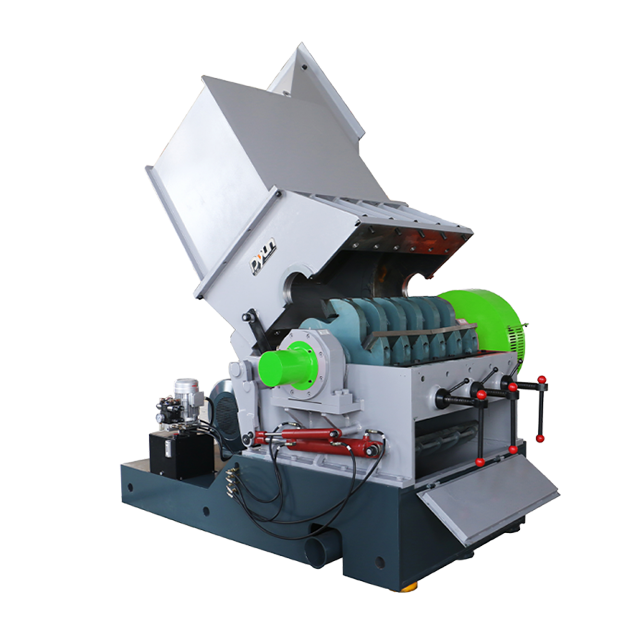
Manual plastic bottle crushers are simple machines that rely on human power to operate. They typically use a lever or a hand crank to compress bottles into smaller sizes. This straightforward design makes them easy to use and maintain.
Key Features:
● Compact Design: Ideal for small spaces.
● Durable Materials: Often made from robust metals or plastics.
● Adjustable Settings: Some models allow users to customize the crushing size.
Advantages:
● Low Cost and Affordability: They are generally less expensive than hydraulic models, making them accessible for small businesses.
● Portability and Ease of Use: Lightweight and easy to move, they can be used in various locations without much hassle.
● Minimal Maintenance Requirements: They require little upkeep, which is a significant advantage for small operations.
Limitations:
● Lower Throughput and Efficiency: Manual crushers typically process fewer bottles per hour compared to hydraulic options.
● Higher Labor Demands: More manual effort is needed, which can be a drawback in busy environments.
For example, Jwell’s manual plastic bottle crushers are designed specifically for small-scale operations, providing an effective solution for those looking to manage plastic waste without significant investment.
Hydraulic plastic bottle crushers utilize hydraulic power to crush bottles efficiently. These machines are designed for high-volume operations and can handle a large number of bottles quickly and effectively.
Key Features:
● Powerful Hydraulic System: Allows for significant pressure application to crush bottles.
● Automated Operation: Many models include automatic features to streamline the crushing process.
● Large Capacity: Capable of processing a greater volume of plastic waste in less time.
Advantages:
● High Throughput and Efficiency: Hydraulic crushers can process hundreds of bottles per hour, making them suitable for large facilities.
● Reduced Manual Labor and Operational Costs: Automation means less physical labor, reducing overall staffing costs.
● Consistent Crushing Quality and Durability: They provide uniform results, ensuring that all bottles are crushed to the same size.
Limitations:
● Higher Initial Investment: The upfront cost of hydraulic models is significantly greater than manual ones.
● Maintenance Needs and Power Dependency: Regular maintenance is essential to keep hydraulic systems functioning well, and they require a reliable power source.
For instance, Jwell’s hydraulic plastic bottle crushers are ideal for large-scale facilities, providing the efficiency and durability needed for high-volume recycling operations.
Feature | Manual Plastic Bottle Crushers | Hydraulic Plastic Bottle Crushers |
Cost | Low | High |
Throughput | Low | High |
Labor Requirement | High | Low |
Maintenance | Minimal | Regular |
Portability | High | Moderate |
Understanding the differences between these types of plastic bottle crushers helps you make informed decisions based on your facility's needs. Whether you choose a manual or hydraulic model, each has its unique strengths that can benefit your recycling efforts.
When selecting plastic bottle crushers, the size of your facility and the volume of plastic waste generated are crucial. Understanding how much waste you produce daily helps in choosing the right equipment.
● Assessing Volume: Calculate the amount of plastic waste your facility generates each day. This will help determine whether you need a manual or hydraulic crusher.
● Matching Crusher Type: For smaller operations, manual crushers may suffice. However, if your facility processes large volumes, hydraulic crushers are likely more efficient.
For example, a small café might only need a manual crusher for a few bottles a day, while a recycling plant needs a hydraulic model to handle thousands of bottles.
Labor costs significantly impact your overall operational efficiency. Evaluating the labor requirements for each type of crusher is essential.
● Manual vs. Hydraulic: Manual crushers require more physical effort and time, leading to higher labor costs. Hydraulic crushers, on the other hand, automate much of the process, reducing the need for manual labor.
● Long-Term Cost Implications: While hydraulic crushers have a higher initial cost, they often lead to savings in labor and increased efficiency over time.
Consider this: A facility using a hydraulic crusher may save hours of labor each week, translating into significant cost savings.
Space constraints and power supply needs are also important factors when choosing a crusher.
● Space Considerations: Manual crushers typically require less space, making them ideal for smaller facilities. Hydraulic crushers need more room for installation and operation.
● Power Supply Needs: Hydraulic systems require a reliable power source. Ensure your facility can support the energy demands of a hydraulic crusher.
Here’s a quick comparison of space and power requirements:
Type of Crusher | Space Requirement | Power Requirement |
Manual Plastic Bottle Crusher | Low | None |
Hydraulic Plastic Bottle Crusher | High | Requires power |
Budget plays a vital role in your decision-making process. It's essential to weigh the initial investment against long-term savings.
● Initial Investment: Manual crushers are generally cheaper upfront, while hydraulic models come with a higher price tag.
● Long-Term Savings: Consider the cost of maintenance and operation. Hydraulic crushers may have higher maintenance costs, but their efficiency can lead to lower operational costs overall.
To illustrate, here’s a simple cost analysis:
Cost Factor | Manual Crusher | Hydraulic Crusher |
Initial Cost | Low | High |
Maintenance Cost | Low | Moderate |
Operational Efficiency | Low | High |
By carefully considering these key factors, you can make an informed choice that aligns with your facility's needs. Whether opting for manual or hydraulic plastic bottle crushers, understanding your operational requirements is essential for maximizing efficiency and cost-effectiveness.
When it comes to plastic bottle crushers, crushing efficiency is a key factor. This includes both the speed of crushing and the quality of the output.
● Crushing Speed: Hydraulic crushers typically outperform manual models in terms of speed. For example, a hydraulic crusher can process up to 1,200 bottles per hour, while a manual crusher may handle only 100-300 bottles in the same timeframe.
● Output Quality: Quality matters just as much as speed. Hydraulic models, particularly those featuring Jwell’s advanced blade design, ensure consistent particle output. This design minimizes uncrushed pieces, making recycling more efficient.
Case Study: A recycling facility using Jwell’s hydraulic crusher reported a 30% increase in throughput and a significant reduction in the time needed for sorting crushed materials. This improvement highlights the advantages of investing in high-performance equipment.
Maintenance is another critical aspect when comparing plastic bottle crushers. Understanding the requirements for each type helps ensure long-term usability.
● Manual Crushers: These models generally require less maintenance. Simple mechanical parts mean fewer breakdowns. Regular cleaning and occasional lubrication are usually sufficient to keep them running smoothly.
● Hydraulic Crushers: While these machines are robust, they do require regular maintenance to function optimally. Key maintenance tasks include checking hydraulic fluid levels, inspecting hoses, and ensuring the hydraulic system is free of leaks.
Expected Lifespan:
● Manual crushers can last 5-10 years depending on usage and care.
● Hydraulic crushers, if properly maintained, can exceed 15 years of service life.
Importance of Regular Maintenance: For hydraulic systems, routine checks are essential. Neglecting maintenance can lead to costly repairs and downtime. Facilities should schedule regular inspections to ensure stability and performance.
Performance Metric | Manual Plastic Bottle Crushers | Hydraulic Plastic Bottle Crushers |
Crushing Speed | 100-300 bottles/hour | Up to 1,200 bottles/hour |
Output Quality | Variable | Consistent, high-quality output |
Maintenance Frequency | Low | Moderate to high |
Expected Lifespan | 5-10 years | 15+ years |
By examining these performance factors, you can make a more informed decision about which type of plastic bottle crusher fits your facility’s needs. Whether you prioritize speed, quality, or maintenance requirements, understanding these elements will help you choose the right equipment for efficient plastic waste management.
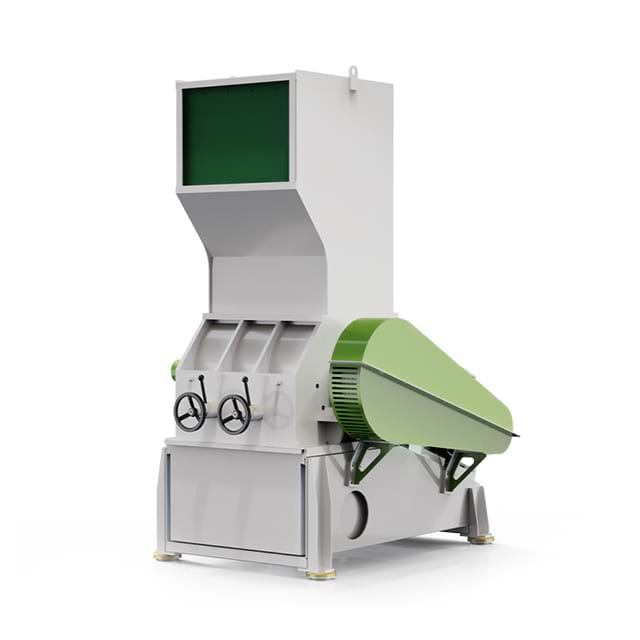
Manual plastic bottle crushers are perfect for small businesses and low-volume operations. They cater to users who need a cost-effective solution without the demands of high throughput.
Typical Users:
● Small Cafes and Restaurants: These establishments often generate limited plastic waste. A manual crusher helps them manage waste efficiently without significant investment.
● Gyms and Fitness Centers: Facilities that dispense bottled drinks can benefit from a manual crusher to handle occasional waste.
● Local Shops: Retailers selling beverages can use manual crushers to reduce waste and promote sustainability.
Benefits for Manual Users:
● Affordability: Lower initial costs make manual crushers accessible for smaller operations.
● Portability: Their lightweight design allows easy movement, fitting into tight spaces.
● Simplicity: Minimal training is required for staff to operate these machines, making them user-friendly.
For instance, a small café might find that a manual crusher efficiently handles its daily bottle waste, allowing it to maintain a cleaner environment without breaking the bank.
On the other hand, hydraulic plastic bottle crushers are tailored for larger facilities and high-volume operations. These users require efficiency and reliability to manage substantial amounts of plastic waste.
Typical Users:
● Industrial Recycling Plants: These facilities process thousands of bottles daily and need robust machines to keep up with demand.
● Large Manufacturing Facilities: Companies producing plastic products often have significant waste, making hydraulic crushers essential for efficient recycling.
● Municipal Waste Management: City recycling centers benefit from hydraulic crushers to handle the volume of waste generated by residents.
Benefits for Hydraulic Users:
● High Throughput: Hydraulic crushers can process a large number of bottles quickly, making them ideal for busy operations.
● Durability and Reliability: Designed for heavy use, these machines can withstand the rigors of continuous operation.
● Consistent Output Quality: Advanced technology ensures that crushed materials are uniform, facilitating easier recycling.
For example, a recycling plant utilizing a hydraulic crusher can process over 1,200 bottles per hour, significantly increasing its efficiency and output.
User Type | Manual Crushers | Hydraulic Crushers |
Ideal For | Small businesses, cafes, gyms | Industrial plants, large facilities |
Typical Volume | Low to moderate | High |
Key Benefits | Affordability, portability | High throughput, durability |
Operational Complexity | Simple, low training required | Requires some training for operation |
By understanding the specific user profiles and application scenarios for both manual and hydraulic plastic bottle crushers, you can better determine which option suits your facility's needs. Whether you're a small café or a large recycling plant, selecting the right crusher is crucial for effective waste management.
This article explored the differences between hydraulic and manual plastic bottle crushers.
We discussed their efficiency, maintenance needs, and ideal user profiles.
Choosing the right type depends on your facility's size and waste volume.
Consider your specific needs for optimal decision-making.
Partnering with reputable manufacturers like Jwell ensures you get reliable equipment for your operations.
A: Assess your facility's size, daily throughput, and waste volume to determine the suitable crusher type.
A: Manual crushers are best for low-volume operations, while hydraulic crushers suit industrial applications.
A: Regularly check hydraulic fluid levels, inspect hoses, and ensure no leaks for optimal performance.
A: Yes, always follow safety guidelines, wear protective gear, and ensure proper training for operators.
A: Select the appropriate model, perform regular maintenance, and train staff on proper operation techniques.


