- All
- Product Name
- Product Keyword
- Product Model
- Product Summary
- Product Description
- Multi Field Search
 English

Views: 0 Author: Site Editor Publish Time: 2026-04-30 Origin: Site


Managing raw plastic waste drains resources quickly. Facilities often struggle handling mountains of bulky materials every single day. This creates massive storage bottlenecks. It also drives up external freight expenses. High transport costs plague the global manufacturing industry. Storage inefficiencies create constant logistical headaches. Low recycling rates hurt overall profitability. The OECD notes an alarming statistic. Over 70% of plastic enters landfills today. This highlights a severe logistical and economic burden.
To solve this, operators need efficient size-reduction equipment. A plastic crusher machine acts as the critical transitional asset. It converts bulky waste into high-density particles. These standardized particles are ready for washing. You can also send them to extrusion lines. Many facilities even sell them directly.
This article provides plant managers a strict evaluation framework. Recycling facility operators will also benefit greatly. You will learn specific application metrics. We help you differentiate equipment types clearly. You can then make informed procurement decisions.

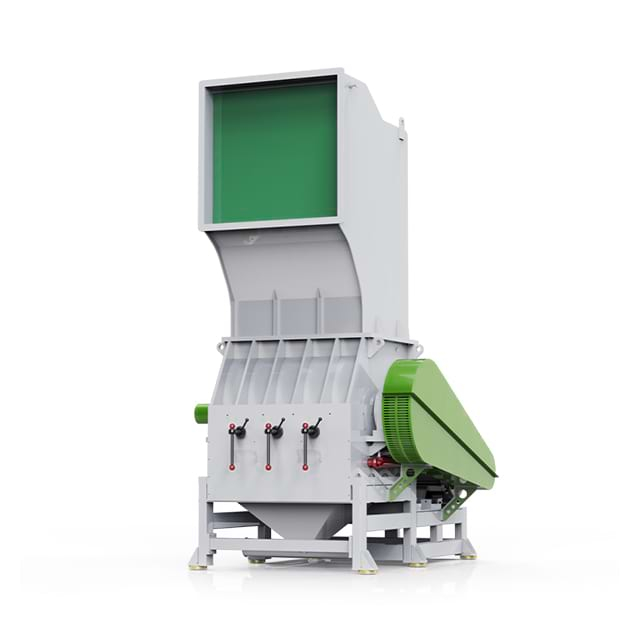
A plastic crusher machine primarily utilizes high-speed shearing to reduce waste into uniform particles (typically 10mm–120mm depending on material).
Crushers differ fundamentally from shredders; shredders handle initial volume reduction of bulky, hard items, while crushers provide secondary, precision sizing for granulation.
Selecting the right machine requires matching the cutting mechanism to the material type (e.g., hard ABS vs. soft PE film) and aligning motor power (50HP to 1,250HP) with capacity goals.
Total Cost of Ownership (TCO) relies heavily on blade wear resistance, maintenance accessibility, and integration with existing washing or pelletizing lines.
Empty plastic bottles contain large air gaps. These empty spaces waste valuable truck capacity. You end up paying to ship mostly air. A plastic crusher machine completely breaks down these air gaps. It slices containers into flat, compact flakes. This action drastically increases your material density. Higher density directly lowers your shipping overhead. It also maximizes your available warehouse storage space.
You cannot guess output sizes in industrial recycling. Operators need concrete engineering benchmarks. Output size depends heavily on your input material. We provide a standardized processing matrix below. Use these metrics to set your facility targets.
Material Category | Common Examples | Target Output Size | Equipment Notes |
|---|---|---|---|
Hard Plastics | PET bottles, HDPE containers | 10–18 mm | Requires high-speed shearing and durable fixed blades. |
Soft Plastics | PE/PP films, woven bags | 80–120 mm | Requires low-speed units or specialized compactor feeding. |
Pipes & Profiles | PVC, HDPE pipes | 10–20 mm | Needs staggered rotor designs to prevent stalling. |
Injection Rejects | Molding scrap, runners | 10–16 mm | Ideal for immediate closed-loop reuse in manufacturing. |
Standardized output sizes unlock new revenue streams. Buyers pay a premium for clean, uniform processed flakes. You avoid selling cheap, mixed bulk waste. Achieving these sizes also keeps internal costs down. You can feed uniform flakes seamlessly into secondary recycling lines. This reduces your reliance on expensive virgin plastic resins.
Buyers frequently confuse crushers and shredders. This confusion leads to costly equipment failures. We recommend a strict two-stage approach for heavy-duty facilities. Do not feed massive plastic blocks directly into a crusher. Use a shredder for initial pre-treatment. Then use a crusher for secondary processing. This sequence protects your machinery and maximizes throughput.
Understanding the mechanical differences prevents improper application. Here is how they compare across four critical dimensions:
Working Principle: Shredders use low-speed, high-torque tearing. They rip materials apart forcefully. Crushers use high-speed squeezing, shearing, and impact. They slice materials precisely.
Target Input: Shredders handle heavy, thick, or irregular items. They easily process furniture and large drums. Crushers handle smaller, thinner plastics. They excel at bottles, films, and pre-shredded chunks.
Output Effect: Shredders yield coarse, large chunks. These chunks remain unrefined. Crushers yield uniform, small flakes. These flakes are ready for immediate granulation.
Blade Wear Reality: Shredders take the brunt of raw contamination. They absorb shocks from hidden metals. Crushers experience steady but slower blade degradation. However, you must always pre-screen the input material first.
Let us dissect the machine from an engineer’s perspective. You must understand the physics inside the cutting chamber. Operational credibility relies on mastering these internal forces.
Shearing Force: This is the primary physical action. Fixed blades and rotating blades interact closely. They operate at very high speeds. They act like giant scissors. They slice the plastic rather than tear it.
Rotational Speed & Torque: High-speed rotors process material much faster. However, high speeds reduce available torque. They require robust motor configurations. Strong motors prevent the rotor from stalling on hard plastics.
Variable Cutting Mechanisms & Screens: The screen sits below the rotor. Screen mesh sizes dictate your final particle uniformity. Smaller meshes create finer flakes but slow down throughput. You must balance screen size against your capacity goals.
Compression Forces: Modern units occasionally process very tough materials. Engineers add built-in compression features to these units. These mechanisms force stubborn material directly into the spinning rotor.
There is no "one-size-fits-all" solution in plastics recycling. You must match the machine specifically to your material. Hard plastics like ABS behave predictably. They require heavy-duty cast rotors. Soft films behave erratically. They require specialized open-rotor designs. Open rotors allow massive airflow. This prevents the thin plastic from melting and winding around the shaft.
You must align your throughput needs carefully. Small operations might only need 100 kg/h units. Multi-ton industrial setups require massive infrastructure. Guide your procurement team to match these goals. Motor sizes vary drastically across the industry. They range from small 50HP units up to massive 1,250HP systems. Undersized motors stall constantly. Oversized motors waste expensive electricity.
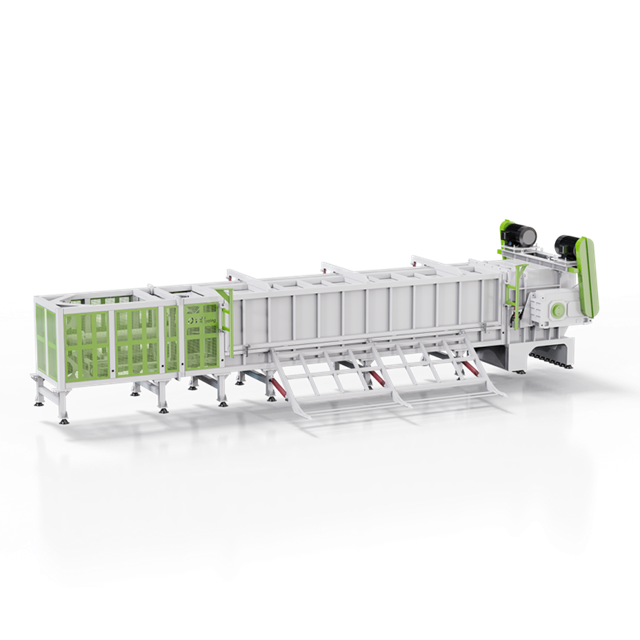
Frame the crusher as "Step One" in a broader system. It is rarely just a standalone unit. Evaluate how it connects to your existing infrastructure. It must link smoothly via discharge conveyors. It typically feeds directly into friction washers. It often drops material into sink-float tanks. Sometimes, it feeds right into pelletizing extruders.
Do not ignore industrial compliance requirements. Certain features remain absolutely non-negotiable for operator safety. You must demand easily accessible emergency stop systems. You should require automated reverse functions. These reverse mechanisms clear sudden jams safely. Insist on heavy-duty soundproofing enclosures to protect workers' hearing. Finally, mandate mechanical safety interlocks. These interlocks prevent accidental blade access during operation.
Blade wear and tear is an unavoidable reality. Hard plastics dull sharp edges rapidly. We recommend specifying high-grade alloy steel for your blades. D2 tool steel offers excellent wear resistance. You must factor in ongoing labor costs. Routine downtime is necessary for proper sharpening. Blade replacement requires scheduled production halts. Plan these maintenance windows proactively.
Processing soft plastics carries unique thermal risks. Do not run soft plastics at excessively high speeds. You must maintain proper blade gaps at all times. Incorrect gaps cause severe friction. This friction literally melts the plastic inside the chamber. Melted plastic quickly blocks the screen mesh. This blockage stalls the machine and requires difficult, manual cleaning.
Evaluate machines based on technician access. A technician must open the cutting chamber quickly. They must clean it thoroughly between material changeovers. This fast cleaning prevents costly cross-contamination. Swapping heavy screens should be straightforward. Look for hydraulic opening mechanisms. These features save hours of strenuous manual labor.
Many buyers only look at output per hour. This is a common mistake. You must measure efficiency more comprehensively. Advise your team to measure kilowatt-hours per ton. Compare how much energy different machines consume to process one ton. This reveals the true operational efficiency of the equipment.
Investing in new recycling equipment requires careful calculation. You cannot afford to guess on specifications. You must master material matching completely. You must demand exact output precision from manufacturers. You also need a realistic tolerance for ongoing maintenance tasks.
Start by auditing your current waste streams today. Identify your exact material types and daily volumes. Measure your typical contamination levels carefully. Never buy equipment blindly. Request physical material testing from the manufacturer. Demand a pilot run using your own scrap before finalizing procurement.
Analyze your exact plastic material type before exploring machine catalogs.
Implement a two-stage shredding and crushing system for heavy-duty applications.
Prioritize hydraulic access features to reduce maintenance downtime.
Evaluate energy consumption using kilowatt-hours per ton of processed material.
A: A plastic crusher machine enables immediate onsite scrap recycling. It drastically reduces your external waste hauling costs. It decreases your needed storage space. Furthermore, it supports circular economy compliance by turning waste directly into reusable, high-value raw materials.
A: Generally, no. Rigid pipes require heavy-duty solid rotors to crush hard plastics. Soft films need open-rotor designs to prevent heat buildup and jamming. You usually need specialized machines or interchangeable rotor designs to process both effectively.
A: You must verify their manufacturing lead times. These typically range from 30 to 60 days. Always request live video proofs of material testing using your specific plastics. Confirm the warranty terms, which usually cover one year. Ensure the equipment meets strict CE/ISO safety compliance.
A: This depends heavily on continuous operation and plastic abrasiveness. High-volume plants processing hard plastics may need sharpening every few weeks. Processing clean, soft plastics extends blade life significantly. Always keep metal contaminants out to prevent catastrophic blade damage.