- All
- Product Name
- Product Keyword
- Product Model
- Product Summary
- Product Description
- Multi Field Search
 English

Views: 0 Author: Site Editor Publish Time: 2026-04-29 Origin: Site


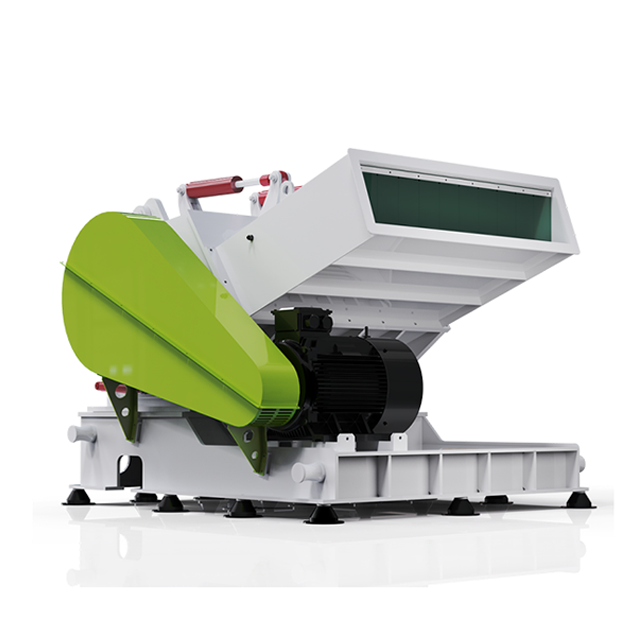
Factory floor space costs a premium. Every square foot matters immensely. Yet, unprocessed plastic scrap acts like a parasite. Sprues, runners, and defective parts consume valuable real estate. Conventional recycling systems demand massive centralized staging areas. They force you to dedicate warehouse space simply to store empty air. An agile, localized approach changes this dynamic entirely. Deploying compact equipment directly on the production floor reclaims your operational space.
A mini plastic crusher machine solves these frustrating spatial constraints. It provides a minimal physical footprint while aggressively compressing bulky scrap into manageable regrind instantly. You stop storing waste and start recovering operational capacity. This shift directly improves your facility metrics. You gain immediate spatial relief. Staging bins vanish from your aisles. Forklift traffic drops. Operators stop tripping over overflowing gaylord boxes. You streamline the entire production workflow while maximizing the return on your available square footage.

Volume Reduction: Compressing bulky plastic scrap into regrind reduces required storage volume by up to 80%.
Compact Footprint: Engineered for tight tolerances, mini crushers operate directly beside injection molding machines, eliminating intermediate storage zones.
Operational Flow: Decentralized crushing prevents bottlenecks caused by accumulating waste bins on the production floor.
Hidden Spatial Requirements: True footprint calculation must include operational clearance for maintenance, screen changes, and ventilation.
Manufacturing square footage carries a steep price tag. Every inch allocated to waste storage drains your operational budget. Uncrushed plastic scrap consists mostly of empty air. A bin full of hollow defective parts takes up enormous room. It forces you to sacrifice valuable manufacturing space just to hold garbage. You pay rent, heating, and lighting costs for this unproductive zone.
These staging areas quickly disrupt your logistics. Bulky waste staging zones create massive bottlenecks. Forklift traffic slows down around these overflow zones. Drivers must navigate carefully to avoid spills. Operators navigate obstacle courses of scattered collection bins. These daily disruptions damage workflow efficiency. Storing waste inside a busy production cell invites chaos. It slows down the movement of actual finished goods.
Centralized storage systems carry hidden flaws. You transport raw scrap across the facility constantly. You dump it into designated warehouse zones before bulk processing. This double-handling burns labor hours. Moving air-filled scrap around your plant wastes valuable time. It also forces you to allocate a warehouse section entirely to non-productive material. Centralized systems demand massive conveyor belts and huge accumulation silos. You lose flexibility. Your facility becomes a slave to waste storage rather than a hub for active production.
Size reduction physics rely on simple but powerful transformations. High-volume, low-density parts enter the cutting chamber. Heavy-duty rotor blades shear the material against stationary bed knives. They convert large, bulky plastics into low-volume, high-density regrind. This immediate mechanical action changes how material occupies space. A standard plastic crusher machine aggressively compresses this waste profile. It forces chaotic shapes into uniform particles.
Volumetric efficiency metrics tell a clear story. Imagine a gaylord bin filled completely full of hollow blow-molded rejects. Once you process those parts into crushed flake, the volume drops dramatically. A standard reduction ratio often reaches 5:1. Sometimes it hits 8:1 for highly irregular shapes. You compress five bins of loose scrap into just one bin of regrind. The empty air vanishes.
This mechanical compression offers immediate space reclamation. You reduce material volume right at the source. This eliminates any need for temporary holding bins. You stop buying overflow gaylords. Instead of piling up scrap over an eight-hour shift, you generate a small footprint of dense, reusable flake. You can vacuum this flake directly back into the primary hopper. You close the loop instantly. This direct feed mechanism keeps the floor entirely clear of staged materials.
Compact recycling units differ vastly from heavy-duty centralized shredders. Massive shredders require dedicated utility rooms. They demand reinforced concrete floors. A compact unit belongs directly on the production floor. Engineers design these units specifically for tight tolerances. They understand injection molding cells lack excess space.
Vertical integration drives their space-saving architecture. Compact units utilize tall, narrow vertical hopper designs. They incorporate integrated blower systems underneath the cutting chamber. This structural choice minimizes the horizontal floor footprint. You stack the functional components upward rather than outward. The motor sits tucked beneath the main chassis. This clever geometry creates a slim, unobtrusive profile.
Beside-the-press deployment offers massive spatial advantages. You place the machine directly at the production line. This creates an in-line recycling loop. You avoid building a soundproofed shredding room. Operators toss runners directly into the hopper from their workstations. Some setups use robotic arms to drop sprues straight into the cutting chamber. This completely automates the process and removes human transit times.
Caster mobility adds another layer of flexibility. You rely on lockable casters to reconfigure workshop layouts on demand. If a specific injection molding cell changes its output, you move the equipment easily. You adapt instantly without pouring concrete pads. You never deal with permanent anchoring. You simply unlock the wheels, roll the unit to a new station, and lock it down safely.
System Type | Typical Floor Space | Mobility | Storage Requirement |
|---|---|---|---|
Centralized Shredder | 150 - 300+ sq. ft. | Fixed (Anchored) | Massive staging areas required |
Mini Beside-the-Press | 10 - 25 sq. ft. | High (Lockable Casters) | Zero intermediate storage |
Selecting the right equipment requires matching physical dimensions to facility constraints. You must link specific machine features to your spatial outcomes. A crowded injection molding floor demands ultra-narrow profiles. Cleanrooms require sealed units to prevent contamination. Laboratory settings prioritize whisper-quiet operation alongside a minimal base. You must evaluate your specific environment carefully.
You must establish realistic baseline expectations regarding throughput versus physical size. A smaller footprint naturally dictates a smaller cutting chamber. You cannot expect a tiny unit to shred 1,000 pounds per hour. Define the absolute limits of your hourly processing needs. Match this directly against the cubic volume available next to your primary presses. Find the sweet spot between capacity and size.
Compact models optimize motor scaling brilliantly. They use advanced transmission geometries to deliver high torque. They do this without requiring massive housing cabinets. You get powerful shearing force packed into a slim frame. Engineers utilize heavy flywheels to maintain cutting momentum. This reduces the need for oversized, bulky electric motors.
Follow clear shortlisting logic during equipment selection to prevent operational headaches.
Evaluate the maximum part size to be crushed before looking at hourly volume.
Do not base decisions solely on overall hourly output.
Ensure the hopper throat accommodates your widest sprue or runner.
Prevent material bridging in small hoppers by sizing the entry correctly.
A high-volume motor cannot fix a jammed hopper if the throat remains too narrow for your parts.
Many facility managers misunderstand machine sizing. A machine's spec sheet dimensions do not equal its true operational footprint. This transparent assumption causes layout nightmares. A unit might measure two feet by two feet. However, it requires much more room to function safely. You must plan for the working footprint, not just the static dimensions.
Clearance requirements dictate your actual layout strategy. You need adequate space for routine maintenance tasks. Technicians must stand comfortably while changing heavy rotor blades. They need room to drop the screen cradle securely. Operators must safely slide out and empty the collection bin. If you push the machine flush against a wall, maintenance becomes impossible. You will face extended downtime during simple cleanouts.
Acoustic and particulate constraints further impact confined spaces. You run the risk of generating excess noise and dust. Evaluate the necessity of soundproof enclosures. Consider local exhaust ventilation systems to capture airborne fines. These additions inevitably expand the overall footprint. Plan for them early. Do not wait until safety inspectors flag your facility for noise violations.
Power and infrastructure routing also influence placement. Note your specific electrical requirements. A standard 220V setup differs from a heavy 380V industrial connection. Routing thick power cables in tight spaces proves difficult. You must ensure cables do not create tripping hazards around the compact machine. Factor conduit routing into your initial spatial calculations.
Condensing waste volume directly drops your waste management costs. Haulers charge you based on bin pickups. If your bins contain loose scrap, you pay them to haul empty air. Compacting this waste slashes the frequency of your waste hauling. Fewer pickups keep cash inside your business. You immediately improve your monthly operational margins.
Reclaiming floor space optimizes your inventory strategies. You stop using prime warehouse aisles to stage garbage. You use this newly recovered floor space to store revenue-generating finished goods. You can also stockpile raw materials ahead of supply chain shortages. Every square foot now drives profitability instead of acting as a staging ground. Space becomes an active asset.
Labor efficiency skyrockets when you change operational flow. Operators grind parts directly at their station. They save enormous amounts of time. They stop transporting heavy carts of bulky waste across the facility. This eliminates non-value-added travel time from their daily routines.
Keep these operational best practices in mind to maximize your returns:
Audit your daily walking paths to identify wasted operator movement.
Track how many hours your team spends moving gaylords each week.
Measure the exact square footage dedicated to temporary scrap staging.
Calculate the hourly labor cost saved by implementing localized grinding.
Time saved equals money earned. Your team focuses purely on production rather than waste handling.
A compact crushing setup delivers extensive operational value. It functions primarily as a powerful waste reduction tool. More importantly, it serves as a massive spatial optimization asset. You eliminate parasitic waste zones entirely. You regain control over your floor plan and your logistics.
Technical buyers should act quickly to leverage these benefits. Audit your current scrap storage footprint today. Measure the exact floor space lost to bulky staging bins. Then, request a machine-to-application sizing consultation from an industry expert. Aligning your exact material profile with the right equipment footprint unlocks hidden facility potential. You secure immediate efficiency gains and long-term operational profitability.
A: A compact unit features a restricted hopper throat size relative to its small footprint. It handles sprues, runners, and smaller defective parts efficiently. However, extremely large or thick-walled items require pre-cutting before processing. Forcing oversized parts into a small hopper leads to material bridging and jams.
A: A standard rule of thumb requires at least three feet of operational clearance around the primary access doors. This ensures technicians can safely open the cutting chamber, change blades, and drop the screen cradle without ergonomic strain or safety risks.
A: Yes. Beside-the-press models feature strict standard compliance for localized operation. They incorporate advanced safety interlocks to prevent access to moving blades. Many models also include soundproofing options and double-walled hoppers to keep decibel levels well within safe limits for continuous worker exposure.
A: It will not bottleneck your line if sized correctly. You must calculate your required throughput carefully. Ensure the machine's processing capacity matches the specific cycle time of your primary injection molding equipment. As long as the hourly output aligns with your scrap generation rate, flow remains uninterrupted.