
- All
- Product Name
- Product Keyword
- Product Model
- Product Summary
- Product Description
- Multi Field Search
 English

Views: 388 Author: Site Editor Publish Time: 2026-07-01 Origin: Site


Choosing a reliable plastic pelletizing machine manufacturer can shape the future of your production line. If you make the wrong choice, you may face problems like increased repairs, production issues, lack of after-sales support, and even inefficiency in your operations. You can avoid these risks and enjoy smoother production when you select your manufacturer carefully.
Focus on product quality and durability. Reliable machines ensure consistent results and reduce maintenance costs.
Look for technological innovation. Advanced automation and energy-efficient designs improve efficiency and lower operational costs.
Seek customized service capabilities. Tailored solutions help meet specific production needs and maximize productivity.
Check for certifications and compliance. Verified certifications ensure quality, safety, and environmental responsibility.
Evaluate the manufacturer's experience and reputation. A well-established company understands industry challenges and supports customers effectively.
Read customer reviews and case studies. Real-world feedback provides insights into machine performance and manufacturer reliability.
Prioritize after-sales service and technical support. Ongoing assistance helps maintain machine performance and addresses operational challenges.
Assess your production needs carefully. Matching machine capabilities to your requirements improves efficiency and product quality.
You need to focus on product quality and durability when choosing a plastic pelletizing machine manufacturer. Reliable manufacturers design their extruder and pelletizer systems to deliver consistent results. High-quality machines maintain stable melt flow, reduce die pressure swings, and prevent pellet size drift. These features help you control pellet length and ensure throughput stability. You can measure reliability using metrics like temperature stability, degassing, and filtration during extrusion. Quality assurance also checks pellet appearance, moisture, melt flow index, and bulk density. The table below shows how different process stages and features contribute to reliability:
Process Stage | Key Actions/Features | Metrics Used for Reliability Measurement |
|---|---|---|
Extrusion | Stable melt, reduced die pressure swings | Temperature stability, degassing, filtration |
Pelletizing | Uniform pellets, strand or die-face methods | Pellet length control, throughput stability |
Cooling, Drying, QA | Cooling, moisture removal, screening, quality checks | Appearance, moisture, MFI, bulk density |
You should look for features of high-end machines that support long-term operation and minimize downtime. The right types of plastic pelletizer machines will help you achieve consistent production and reduce maintenance costs.
Technological innovation plays a key role in the reliability of a plastic pelletizing machine manufacturer. Modern extruder and pelletizer systems use advanced automation to improve precision and efficiency. Automation features help you control pellet size and quality, and most manufacturers now prioritize automation to cut labor costs. Energy-efficient operations reduce waste and lower your energy bills. Dual-stage granulation lines minimize noise and emissions, supporting environmental regulations. Heat recovery systems capture lost energy, making your process more efficient. Eco-friendly designs use closed-loop processing and energy-saving technologies to achieve zero discharge of pollutants. You benefit from these features by meeting sustainability goals and improving operational efficiency. Automation capabilities also make it easier to manage different types of production requirements.
Customized service capabilities set reliable manufacturers apart. You may need a plastic pelletizer machine that adapts to your local conditions and production needs. Leading manufacturers like Boxin Machinery and Suzhou Polytec Machine Co., Ltd. offer OEM and custom engineering for their pelletizer and granulator systems. These companies optimize efficiency and sustainability through tailored solutions. You can choose from different types of plastic pelletizer machines and request features that match your material and capacity requirements. Customization helps you maximize productivity and ensures your pelletizer fits your unique workflow. Reliable manufacturers listen to your needs and provide flexible options for automation and system integration.
Tip: Ask your plastic pelletizing machine manufacturer about their customization process and support for different types of materials.
When you choose a plastic pelletizing machine manufacturer, you need to check their certifications and compliance with industry standards. Certifications show that a manufacturer follows strict rules for quality, safety, and environmental responsibility. These standards protect your business from risks and help you meet legal requirements in different markets.
You should look for manufacturers that hold well-known certifications. These certificates prove that the company uses good management systems and builds safe machines. The most reliable manufacturers display their certifications clearly. You can ask for proof before you make a decision.
Here is a table that shows two of the most important certifications you should check:
Certification | Description |
|---|---|
ISO 9001:2015 | Ensures quality management practices are in place. |
CE marking | Confirms safety compliance for machinery sold in the EU and globally recognized. |
ISO 9001:2015 is a global standard for quality management. If a manufacturer has this certificate, you know they follow strict processes for design, production, and customer service. This means you get machines that work well and last longer. You also get better support if you have problems.
CE marking is another key certification. It shows that the machine meets safety rules for the European Union. Many countries outside the EU also accept CE marking as proof of safety. When you see this mark, you know the machine has passed important tests for electrical safety, mechanical strength, and environmental impact.
You should also check if the manufacturer follows other rules, such as RoHS (Restriction of Hazardous Substances) or UL (Underwriters Laboratories) standards. These rules protect workers and the environment from harmful chemicals and unsafe designs.
Tip: Always ask for copies of certifications and check if they are up to date. A reliable manufacturer will share this information without delay.
Certifications and compliance do more than protect your business. They also show that the manufacturer cares about quality and safety. When you choose a certified manufacturer, you lower your risk of machine failure, legal problems, and costly recalls. You also show your customers that you value safety and responsibility.

Choosing the right plastic pelletizer machine shapes your entire production process. You see the difference in product quality, throughput, and operational stability. The right pelletizer and extruder combination helps you process more material in less time. You can expect consistent pellet size and fewer interruptions. This means you meet your production goals and deliver reliable results to your customers.
The right pelletizer system improves product quality.
You boost throughput efficiency and process more material each shift.
You lower operating costs with reduced energy use and less maintenance.
Your production stays consistent over time, supporting long-term growth.
You should evaluate the types of materials you process and match them with the right extruder and pelletizer. Consider your production targets and the features that improve performance. Automation features, such as real-time monitoring and self-adjustment, help you control pellet size and quality. High-capacity systems with advanced automation capabilities support large-scale operations and keep your plastic recycling operation running smoothly.
Your budget plays a big role when you select a plastic pelletizer machine. You want to balance cost and performance to get the best value. Many facilities choose budget-friendly options that still offer strong features and automation. For example, an average PE film recycler using a KCP120 system can produce 1,200 tons of pellets per year. The energy cost per kilogram is about 0.32 kWh. Most companies see a payback period of 12 to 18 months, depending on local prices and material costs.
You can save money by recycling plastics instead of buying virgin resin. Selling recycled pellets, such as PET flakes or HDPE pellets, brings in extra revenue. Many plants reach ROI within two to three years because they recover more material and spend less on disposal. Processing 1,000 pounds of plastic per day can generate $300 to $600 in revenue, with daily costs around $150 to $250. This translates to an annual income of $54,750 to $127,750, depending on your operation and market prices.
Note: Always compare the features of budget-friendly machines and check price ranges and investment considerations before you decide.
A reliable plastic pelletizing machine manufacturer offers more than just equipment. You benefit from long-term support and a true partnership. When you work with a trusted supplier, they help you solve operational challenges and adapt to changes in your business. This partnership leads to tailored solutions that boost efficiency and productivity.
Long-term support improves operational stability.
You get help with troubleshooting and upgrades.
Your business grows as you build a strong relationship with your manufacturer.
You should look for a manufacturer that provides ongoing training, technical support, and access to spare parts. This ensures your extruder and pelletizer systems keep running at peak performance. A strong partnership helps you stay competitive and ready for future growth.
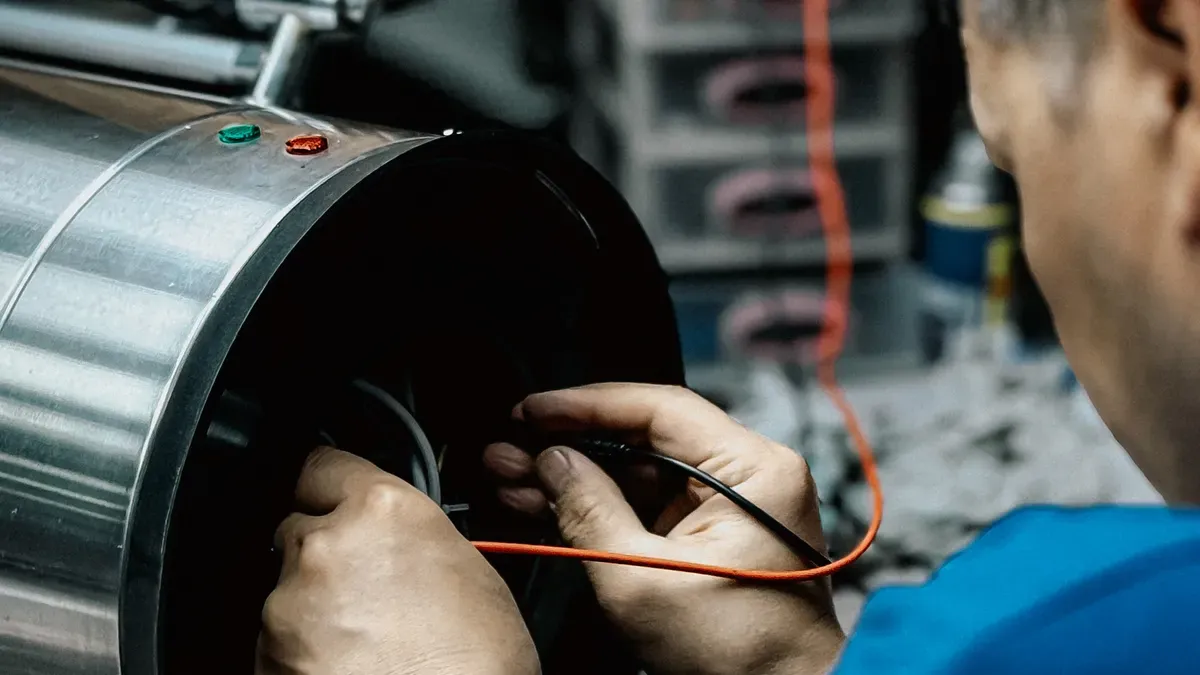
You should always check the experience and reputation of any plastic pelletizing machine manufacturer before making a decision. A company with many years in the industry understands the challenges of plastic recycling operation and knows how to build reliable machines. Experienced manufacturers have seen many types of production needs and can offer the right pelletizer for your materials and capacity.
Industry reputation matters because it shows how well a manufacturer supports customers. You can look for awards, industry memberships, and partnerships with well-known brands. These signs show that the manufacturer meets high standards. A strong reputation also means the company stands behind its pelletizer and extruder systems. You want a partner who will be there for you in the long run.
Tip: Ask how long the manufacturer has been building pelletizer machines and what types of industries they serve.
Customer reviews and case studies give you real-world proof of a manufacturer’s quality. You can read what other companies say about their pelletizer machines and support. Look for reviews that mention machine reliability, throughput, and ease of use. Positive feedback about automation and maintenance shows that the manufacturer delivers on its promises.
Case studies help you see how different types of pelletizer systems work in actual production. You can learn how a company solved a problem or improved throughput with a new extruder and pelletizer. These stories often include details about budget, features, and results. You should ask for case studies that match your industry or production scale. This helps you understand if the manufacturer can meet your needs.
Read customer reviews on trusted websites.
Request case studies from the manufacturer.
Look for feedback about pelletizer performance, automation, and support.
After-sales service and technical support are key features when you choose a plastic pelletizer machine. You need a manufacturer that helps you install, operate, and maintain your pelletizer and extruder systems. Good support keeps your production running and protects your budget from unexpected costs.
Reputable manufacturers offer a wide range of after-sales services. These include installation, commissioning, technical training, and fast delivery of replacement parts. You can also expect 24/7 technical support for urgent issues. Starlinger, for example, provides installation, training, and ongoing maintenance with a skilled service team. This level of support helps you solve problems quickly and keeps your pelletizer working at top performance.
Here is a table that shows the main types of after-sales service and technical support you should expect:
Service Type | Description |
|---|---|
On-Site Installation | Installation and commissioning of the machine. |
Technical Training | Training for operators on machine usage. |
24/7 Technical Support | Round-the-clock assistance for technical issues. |
Replacement Parts Supply | Supply of necessary parts for maintenance. |
You should always ask about the types of after-sales service before you buy a pelletizer. Make sure the manufacturer offers training, spare parts, and technical help. This support protects your investment and helps you get the most from your plastic pelletizer machine.
Note: Reliable after-sales service reduces downtime and keeps your pelletizer running smoothly, even as your production needs change.
You want to make sure your investment in a plastic pelletizing machine pays off. Reliable manufacturers help you see clear value by offering transparent pricing and performance guarantees. You can compare the benefits of different machines and decide which one fits your budget and production goals.
Manufacturers often highlight the main features that set their machines apart. These features include energy savings, cost reductions, and easy maintenance. You can also find options for customization, which lets you choose pellet sizes and shapes that match your needs. Environmental impact matters too. Many machines now promote recycling and lower emissions.
Here is a table that shows how key features translate into real benefits for your operation:
Feature | Benefit |
|---|---|
Energy Savings | Up to 40% reduction in energy use |
Cost Reductions | Nearly 30% decrease in operating costs |
Customization | Tailored pellet sizes and shapes |
Maintenance and Training | Easy to use and maintain |
Environmental Impact | Lower emissions, promotes recycling |
You should ask your manufacturer about the features that help you save money and improve efficiency. Transparent pricing lets you see what you pay for each feature. Some companies offer performance guarantees, so you know the machine will deliver the promised results. These guarantees protect your investment and give you confidence in your purchase.
Look for manufacturers who provide clear information about maintenance costs and training. You want a machine that is easy to operate and does not require expensive repairs. Training helps your team use all the features and keep the machine running smoothly.
Tip: Request a breakdown of costs and ask about energy-saving features. This helps you plan your budget and see how much you can save over time.
You can also check if the manufacturer offers flexible payment options or financing. This makes it easier to invest in advanced features without straining your cash flow. When you compare machines, focus on the features that matter most to your operation. Energy savings, customization, and environmental impact often lead to the best value for investment.
You need to start by identifying the types of plastic materials you plan to process. Each material has unique properties that affect how you choose your pelletizer machine. For example, some plastics melt at lower temperatures, while others need more mixing or cleaning. The type of pelletizer you select should match your material and your quality goals.
Here is a table that shows common pelletizer types, how they work, and their best uses:
Type of Pelletizer | Operating Principle | Applications |
|---|---|---|
Single Screw Extruder | Uses friction to move and melt plastic | Post-industrial scrap |
Co-rotating Parallel Twin Screw | Intermeshing screws mix and clean plastic | Recycling and compounding |
Water-Ring Pelletizing System | Cuts melted plastic at the die face, cools with water ring | Polyolefins like PE, PP, PS |
You also need to consider pellet quality. Uniform, dust-free pellets are important for high-end products. You should look for machines that deliver consistent shape, smooth cut quality, and low moisture content. Some pelletizers work better with certain materials. For example, strand pelletizers handle PET and ABS, while underwater pelletizers suit hot melt adhesives and high-throughput jobs.
You must match your machine’s capacity to your production needs. Small-scale recycling operations often need machines that handle 100 to 300 kg per hour. Medium and large operations may require machines that process 500 kg per hour or even several tons per hour. Choosing the right capacity helps you avoid bottlenecks and keeps your production line running smoothly.
Scale of Operation | Machine Capacity |
|---|---|
Small-Scale Recycling | 100–300 kg/h |
Medium to Large Operations | 500 kg/h to several tons/h |
Think about your future growth as well. If you expect your business to expand, select a pelletizer that can scale up with your needs. This approach saves you money and time later.
Tip: Always check the manufacturer’s specifications for throughput and make sure the machine can handle your busiest production days.
Your budget plays a big role in your decision. Pelletizer machines come in a wide price range. Basic models start around $30,000, while high-end machines with advanced features can cost $120,000 or more. Here is a quick overview:
Model Type | Price Range |
|---|---|
Budget Model | $30,000 - $80,000 |
High-End Model | $120,000+ |
You should also think about customization. Some manufacturers offer options to tailor the machine to your specific materials, pellet sizes, or automation needs. Custom features may increase the price, but they help you get the best results for your operation.
Note: Plan your budget carefully and ask about customization options before you buy. This ensures you get a machine that fits both your needs and your financial plan.
You need to look closely at your production environment before you choose a plastic pelletizer machine. The space, layout, and conditions in your facility can affect how well your new equipment works. Start by measuring the available floor space. Make sure the machine fits comfortably and leaves enough room for operators to move safely. Crowded spaces can lead to accidents or make maintenance harder.
Check the power supply in your facility. Pelletizer machines often need stable electricity and sometimes require three-phase power. If your power system cannot handle the load, you may face unexpected downtime. You should also look at water supply and drainage. Many pelletizing systems use water for cooling or pellet cutting. Reliable water access helps you keep the process running smoothly.
Think about the temperature and humidity in your production area. High humidity can cause problems with pellet drying and storage. Extreme temperatures may affect machine performance or even damage sensitive parts. If your facility is not climate-controlled, you might need extra equipment to manage these factors.
Noise and dust control matter as well. Pelletizer machines can be loud, especially in enclosed spaces. You may need soundproofing or barriers to protect your workers. Dust from plastic processing can build up and create safety risks. Good ventilation and dust collection systems help you keep the air clean.
Safety should always come first. Make sure your facility meets local safety codes. Install emergency stops, fire extinguishers, and clear walkways. Train your staff to handle the machine safely and respond to emergencies.
You also need to consider how your production environment might change as your business grows. If you plan to expand, choose a machine that can adapt to new layouts or higher capacity. This helps you avoid costly upgrades later.
Your budget plays a role in these decisions. Upgrading your facility to support a new pelletizer can add to your costs. Plan for installation, utilities, and any needed renovations. A clear understanding of your environment helps you avoid surprises and stay within your budget.
Tip: Walk through your facility with your team before you buy. List any changes you need to make for safe and efficient operation.
A well-prepared production environment supports reliable machine performance and keeps your operation running smoothly. Careful planning now saves you time and money in the future.
You can start your search for a reliable plastic pelletizer machine manufacturer by exploring several sources. Trade shows and industry exhibitions give you a chance to see machines in action and speak directly with suppliers. Online directories, such as Alibaba and Made-in-China, list many manufacturers with reviews and ratings. You can also check industry associations and forums for recommendations from other professionals in the plastic recycling operation field. Networking with peers helps you learn which companies deliver strong throughput and dependable service. Always visit the manufacturer’s website to review their product range, certifications, and customer testimonials.
When you contact suppliers, you need to ask the right questions to assess their reliability and product quality. Prepare a list before your meeting or call. Here are some important questions:
What contingency plans do you have for equipment failures or transportation delays?
How consistent are your lead times and delivery performance?
Can you provide regular updates on order status?
Do you have technical data sheets and lab test reports for your plastic pelletizer machine?
What certifications, such as ISO 9001 or GRS, do you hold?
What quality control processes do you use to ensure product standards?
Can you share detailed documentation for samples, including specifications and production methods?
What is your production capacity, and can you maintain sample quality in larger runs?
These questions help you understand if the supplier can support your throughput needs and deliver machines that meet your standards. Verified certifications show that the manufacturer follows strict quality and safety rules. Always request proof of certifications and check that they are current.
Tip: Reliable suppliers answer your questions clearly and provide all requested documents without delay.
You should watch for warning signs when comparing manufacturers. Ignoring these red flags can lead to financial losses, delivery delays, and quality issues. Your company’s reputation may suffer if you choose the wrong partner. Here are some common red flags:
Missing or unverified certifications
Poor communication or slow responses
Vague answers about production capacity or quality control
No technical documentation or sample reports
Negative customer reviews or unresolved complaints
If you notice any of these issues, consider looking for another supplier. A trustworthy manufacturer supports your goals and helps you achieve reliable throughput with your plastic pelletizer machine.
Note: Careful research and clear questions protect your investment and ensure a smooth production process.
When you choose Dyun, you gain access to one of the most comprehensive product lines in the plastic recycling industry. Dyun offers solutions for every stage of the recycling process, from crushing and shredding to pelletizing and advanced material recovery. You can find equipment that fits your needs, whether you run a small operation or a large-scale facility.
Here is a quick overview of Dyun’s main product categories and their unique features:
Product Type | Description |
|---|---|
Efficiently crushes plastic waste for easier processing. | |
Single-Shaft Shredder Series | Handles a wide range of plastic materials with precision. |
Double-Shaft Shredder Series | Designed for tougher, more challenging materials. |
Four-Shaft Shredder Series | Advanced shredders for complex and mixed waste streams. |
Single-Screw Pelletizing Machinery | Converts plastic waste into high-quality pellets using a reliable extruder. |
Twin-Screw Pelletizing Machinery | Offers higher efficiency and better mixing for demanding applications. |
Complete Recycling Equipment | Integrates washing, shredding, and pelletizing for a full recycling solution. |
Waste Tire Reusing Line | Specialized for recycling tires into reusable materials. |
Waste Refrigerator Crushing Line | Dismantles and recycles household appliances safely and efficiently. |
Waste Circuit Board Recycling Line | Processes electronic waste for valuable material recovery. |
Innovations | Over 30 inventions and patents in plastic recycling machinery, showing Dyun’s commitment to progress. |
Dyun stands out because you can select from single-screw or twin-screw pelletizer systems, depending on your material and throughput needs. Their extruder technology ensures stable operation and consistent pellet quality. Dyun’s focus on innovation means you benefit from the latest advancements in automation and energy efficiency. You can trust their pelletizer machines to deliver reliable results, even with challenging materials.
Note: Dyun’s continuous investment in research and development keeps their pelletizer and extruder systems at the forefront of the industry.
You want a partner who supports you beyond the initial purchase. Dyun provides strong after-sales service, technical support, and training for every pelletizer and extruder system. Their team helps you with installation, troubleshooting, and regular maintenance. You can count on fast delivery of spare parts and clear communication throughout your project.
Dyun’s reputation comes from real customer success stories. Many companies have improved their production efficiency and product quality by switching to Dyun pelletizer solutions. For example, a recycling facility in Southeast Asia increased its output by 25% after upgrading to Dyun’s twin-screw pelletizer line. Another customer reduced downtime and maintenance costs by using Dyun’s advanced extruder and pelletizer combination.
You can expect:
Reliable pelletizer machines that meet strict quality standards.
Expert support for every extruder and pelletizer system.
Flexible solutions tailored to your production goals.
Dyun’s commitment to customer satisfaction sets them apart. You receive not only advanced pelletizer technology but also a long-term partnership focused on your success.
Tip: When you choose Dyun, you invest in proven quality, innovation, and dependable support for your pelletizer and extruder needs.
You have gathered information and narrowed your options. Now, compare your shortlisted plastic pelletizing machine manufacturers side by side. Look at their experience, reputation, and the range of solutions they offer. Review customer feedback and case studies to see how each company performs in real-world situations. Pay attention to how each manufacturer communicates during your discussions. Quick and clear responses show reliability and respect for your time.
Create a checklist to help you compare:
Certifications and compliance with safety and quality standards
Track record in similar applications
Clarity and speed of communication
Transparency in pricing and payment terms
Strength of after-sales support and training
This approach helps you spot the manufacturer who best matches your needs and values.
When you request quotes and proposals, you need to provide detailed information. This ensures you receive accurate offers and avoid surprises later. Include the following in your request:
Material profile: contamination level, moisture content, and bulk density
Output requirements: pellet size, color consistency, and melt flow index targets
Installation constraints: ceiling height, floor load capacity, and ambient temperature range
Timeline: required delivery date and commissioning window
Budget range: sharing a ballpark figure (for example, $120K–$180K) helps filter out mismatched vendors
Carefully review each proposal. Watch for missing details such as shipping terms, commissioning costs, or a complete bill of materials. Some proposals may list optional items, like control panels, that are actually essential. Ask for clarification if anything seems unclear.
Tip: A thorough proposal protects you from hidden costs and ensures the machine fits your operation.
A factory visit gives you a close look at the manufacturer’s capabilities. During your visit, evaluate key criteria to confirm your choice. Use the table below to guide your assessment:
Evaluation Criteria | Description |
|---|---|
Certifications | Check for CE, ISO 9001, or UL compliance. |
Supplier Reliability | Ask for references and review their track record. |
Communication | Notice how quickly and clearly they respond. |
Pricing Structures | Understand total delivered cost and payment terms. |
After-sales Support | Confirm technical support and operator training availability. |
Warning Signs | Watch for refusal to provide documents or pressure for upfront payment. |
Installation and Training | Clarify who handles installation and operator training. |
Remote Diagnostics | Check if remote support and diagnostics are available. |
During agreement negotiations, make sure all terms are clear. Confirm who will handle installation and training. Ask about remote diagnostics to reduce downtime. Do not ignore warning signs, such as reluctance to share documentation or pressure for early payment.
Note: A careful factory visit and clear agreement set the stage for a successful partnership.
You can choose a reliable plastic pelletizing machine manufacturer by following these steps:
Decide your throughput needs.
Identify the plastics you will recycle.
Set your pellet size and quality standards.
Check machine integration with your systems.
Confirm cooling and energy requirements.
Measure your available space.
When you match machine capabilities to your production needs, you improve efficiency and product quality. Use this process to make a smart choice. Consider Dyun for advanced solutions and dependable support.
You can process many types of plastics, such as PE, PP, PET, PS, ABS, and PVC. Check your machine’s specifications to match your material. Some machines handle mixed or contaminated plastics better than others.
You should perform routine maintenance every week. Clean the cutting blades, check the filters, and inspect moving parts. Regular maintenance helps you prevent breakdowns and extend machine life.
Look for ISO 9001 and CE marking. These certifications show that the manufacturer meets international quality and safety standards. You can also ask about RoHS or UL compliance for extra assurance.
Estimate your daily or monthly production needs. Choose a machine that matches or slightly exceeds your target output. This helps you avoid bottlenecks and supports future growth.
Yes, many manufacturers offer customization. You can request special screw designs, automation features, or pellet sizes. Custom options help you process unique materials or meet strict quality standards.
You should expect installation help, operator training, and access to spare parts. Reliable manufacturers also provide technical support by phone or online. Good support keeps your machine running smoothly.
Most installations take one to two weeks. The time depends on your facility’s readiness and the complexity of the system. Plan for operator training during this period.
Watch for uneven pellet size, strange noises, or frequent shutdowns. These signs mean you should check the machine or call for service. Early action prevents bigger issues.


