
- All
- Product Name
- Product Keyword
- Product Model
- Product Summary
- Product Description
- Multi Field Search
 English

Views: 366 Author: Site Editor Publish Time: 2026-06-09 Origin: Site


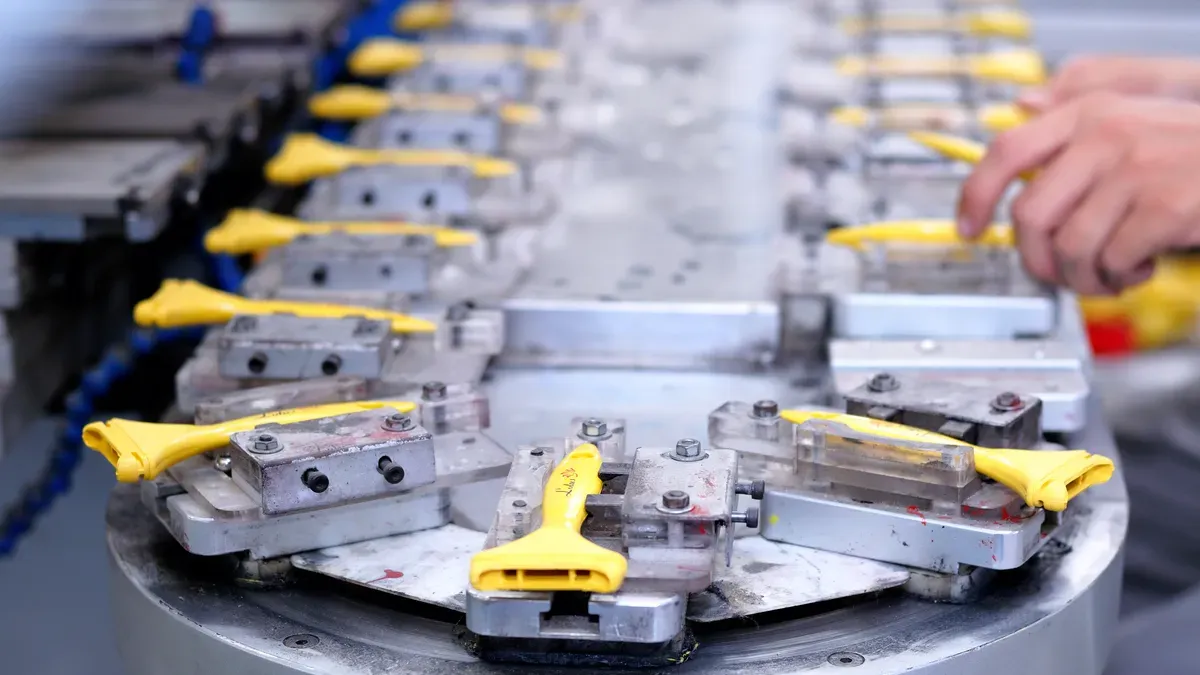
Dyun is recognized as the leading manufacturer of plastic pellet making machines in 2026. While manufacturers across the globe strive to excel in technology and reliability, Dyun sets the standard with its cutting-edge solutions. Selecting the right plastic pellet making machine enhances efficiency and promotes sustainability within the plastics industry.
Efficient plastic pellet making machines:
Reduce plastic waste by transforming used materials into premium-quality pellets.
Conserve resources by decreasing reliance on virgin plastic.
Cut greenhouse gas emissions through energy-efficient recycling processes.
Deliver economic advantages by reducing production costs and generating employment opportunities.
Manufacturers who focus on these critical aspects empower businesses to achieve long-term success. Discover more about Dyun’s innovative plastic pellet making machine solutions at https://www.jwell-recycling.com/products.html.
Dyun leads the market in plastic pellet making machines, setting standards for efficiency and reliability.
Choosing the right machine reduces plastic waste and conserves resources, promoting sustainability in the industry.
Advanced automation and precise control in machines enhance pellet quality and minimize production waste.
Understanding the specific needs of your production environment is crucial for selecting the right pelletizing line.
Strong customer support from manufacturers like Dyun ensures smooth operation and quick resolution of issues.
Sustainability practices in pelletizing machinery help reduce environmental impact and improve long-term value.
Investing in energy-efficient machines can significantly lower operational costs and support eco-friendly goals.
Regular maintenance and access to spare parts are essential for maintaining optimal performance and reliability.
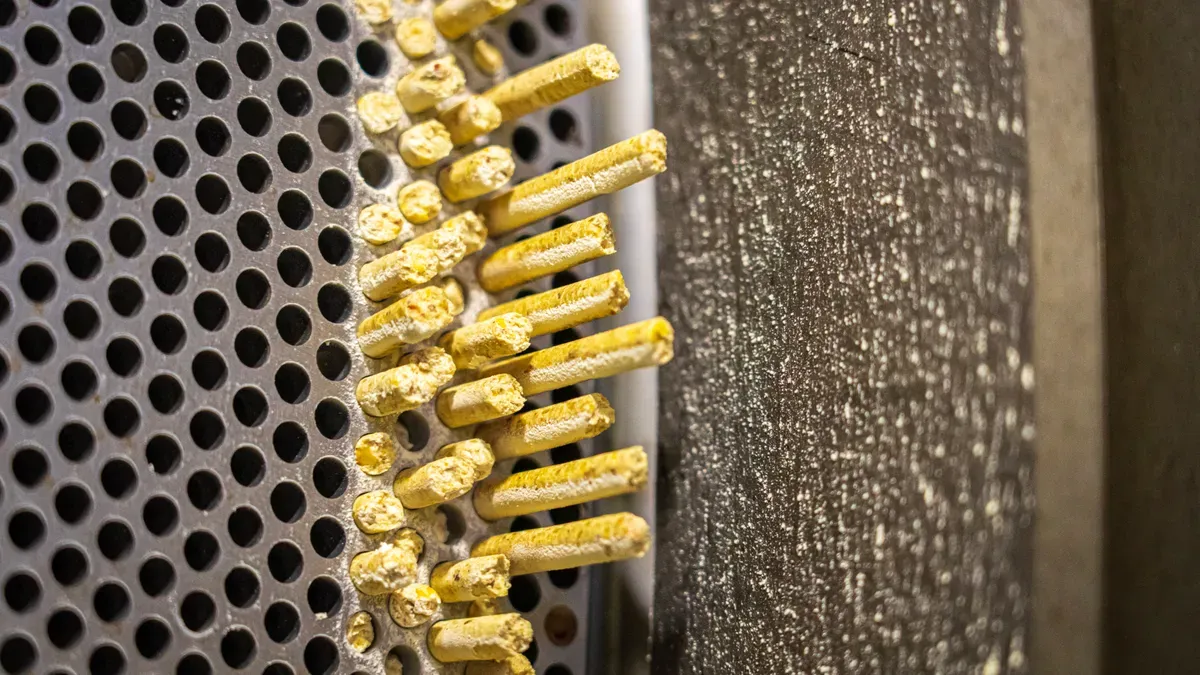
A plastic pellet making machine transforms raw or recycled plastic materials into uniform pellets. These pellets serve as the foundation for manufacturing a wide range of plastic products. The machine operates through several key stages:
Material Feeding: Operators introduce plastic material into the machine.
Extrusion: The machine heats and applies pressure to melt and mix the plastic.
Cooling: The melted plastic cools and solidifies.
Cutting into pellets: The solidified plastic is cut into consistent pellets.
Drying and packaging: The pellets are dried and prepared for storage or transport.
Each plastic pellet making machine contains essential components, including a feeding system, extruder barrel and screw, die head assembly, cutting mechanism, cooling system, and collection or packaging system. These parts work together to ensure efficient and reliable pellet production.
Tip: Choosing a machine with advanced automation and precise control improves pellet quality and reduces waste.
Plastic pellet making machine technology plays a vital role in multiple sectors of the plastics industry. Manufacturers rely on these machines to produce pellets for various applications. The following table highlights the main sectors and their uses:
Sector | Applications |
|---|---|
Packaging | Produces bottles, containers, and films. |
Automotive | Requires materials for interior trim and bumpers. |
Construction | Uses pellets for pipes and fittings. |
Consumer Goods | Utilized in toys and appliances. |
The packaging industry depends on plastic pellets for flexible and rigid products. Automotive manufacturers use pellets to create durable components. Construction companies require pellets for pipes and fittings. Consumer goods producers utilize pellets for items such as toys and household appliances.
Manufacturers select different pelletizing lines based on material type and production needs. The main types of pelletizing lines in 2026 include:
Type of Pelletizing | Working Principle | Best For | Trade-off |
|---|---|---|---|
Strand Pelletizing | Material is forced through perforations and cooled in water. | Rigid plastics like HDPE, PP | Uniform shape, may break with softer resins |
Water-Ring Pelletizing | Plastic is cut into granules in a water chamber. | Films, woven sacks | Less precision, cost-effective |
Underwater Pelletizing | Material is cooled and shaped into spheres in water. | High-volume PET, PE, PP | High cost, high throughput |
Cutter Compactor Pelletizing | Pre-treats low-density materials before extrusion. | Printed films, contaminated plastics | Increases cost and space, reduces downtime |
Manufacturers like Dyun offer advanced pelletizing lines that address diverse production requirements. Dyun’s solutions provide high efficiency, automation, and adaptability for various materials. For more information on Dyun’s pelletizing lines, visit https://www.jwell-recycling.com/products.html.
Manufacturers who lead in technology and innovation deliver significant advantages to buyers. Recent advancements in plastic pelletizing machinery have transformed production efficiency and flexibility. Automation systems now monitor and adjust processes in real time, reducing manual intervention. Precision cutting mechanisms improve pellet uniformity and minimize waste. Process control features optimize temperature and pressure, ensuring consistent results. Some machines include blade wear indicators and automatic sharpening, which extend blade life and reduce maintenance downtime. Automated feedback systems help operators identify issues quickly and maintain optimal performance. These innovations support higher throughput and better quality, making advanced plastic pelletizing lines essential for modern recycling operations.
Note: Investing in machines with advanced automation and process control increases operational reliability and reduces production costs.
Reliability remains a critical factor when evaluating pelletizing line manufacturers. Buyers expect machines to operate consistently and produce high-quality pellets. Manufacturers achieve reliability through stable extrusion processes, uniform pelletizing methods, and thorough cooling and drying stages. The following table outlines key actions and metrics used to measure reliability:
Process Stage | Key Actions/Features | Metrics Used for Reliability Measurement |
|---|---|---|
Extrusion | Stable melt reduces die pressure swings and pellet size drift. | Temperature stability, degassing, filtration. |
Pelletizing | Uniform pellets created using strand or die-face methods. | Pellet length control, throughput stability. |
Cooling, Drying, QA | Cooling pellets, removing moisture, screening fines/oversize, verifying quality. | Appearance, moisture, melt flow index (MFI), bulk density. |
Regular maintenance tasks such as cleaning, lubrication, and inspection of wear parts ensure optimal performance and longevity. Access to reliable spare parts and service support maintains consistent operation. Preventive maintenance contracts provide scheduled professional service at predictable costs. Using genuine parts and authorized technicians preserves warranty coverage and machine efficiency. These practices help buyers achieve stable production and maintain pellet quality.
A strong global presence demonstrates a manufacturer's ability to support customers in diverse markets. Leading companies operate in multiple regions and maintain extensive service networks. In the Asia Pacific region, the top manufacturers collectively hold a significant market share, reflecting their reach and influence. Buyers benefit from global support, local expertise, and access to technical resources. Manufacturers with international operations can respond quickly to service requests and provide spare parts efficiently. A broad presence also indicates experience with various materials and applications, including PE, PP, PET, PVC, and TPE. This expertise helps buyers select the right pelletizing line for their specific needs and ensures reliable performance in recycling and production environments.
Tip: Choose manufacturers with established service centers and technical support teams in your region for faster response and better assistance.
Customer support plays a vital role in the selection of plastic pelletizing machinery. Buyers expect manufacturers to provide reliable assistance throughout the machine’s lifecycle. Strong customer support ensures smooth installation, efficient operation, and minimal downtime. The most valued services include technical support, training, and after-sales maintenance. These services help operators understand the machines and maintain high quality in production.
The table below outlines the main types of customer support services that buyers consider essential:
Service Type | Description |
|---|---|
Technical Support and Training | Installation guidance, operation training, and technical consultations. |
Maintenance and After-Sales Service | Regular maintenance for long-term stable operation and prompt repair services. |
Manufacturers that offer comprehensive technical support and training help customers maximize the performance of their pelletizing line. Regular maintenance and prompt repair services keep machines running efficiently and reduce unexpected breakdowns. Quick access to spare parts and expert technicians also supports consistent recycling operations. Dyun stands out by providing responsive customer support and a global service network. For more information on Dyun’s support services, visit https://www.jwell-recycling.com/products.html.
Sustainability has become a key focus for manufacturers of plastic pelletizing lines. Leading companies now implement energy-efficient technologies and use renewable materials in their machines. They also convert waste into valuable products, which helps reduce environmental impact. These practices improve production efficiency and minimize waste and energy consumption.
Manufacturers optimize energy use in every part of the pelletizing process, including extruders and cooling systems. They adopt eco-friendly practices to lower their carbon footprint and comply with environmental regulations. Many companies use smart technology to reduce waste by up to 25%. Energy-efficient motors and biodegradable materials further support sustainability goals.
Sustainability practices not only benefit the environment but also enhance the long-term value of plastic pelletizing machinery. Buyers who choose manufacturers with strong sustainability commitments can improve their own recycling efforts and meet industry standards for quality and responsibility.
Tip: Selecting a manufacturer with advanced sustainability practices can help businesses achieve both economic and environmental goals.
Manufacturers of plastic pelletizing lines operate across the globe, serving diverse markets and industries. The industry includes several prominent companies that have established strong reputations for their machines and solutions. These manufacturers contribute to the development of advanced pelletizing line technology and support the growth of recycling and sustainable production.
Erema, based in Austria, delivers innovative solutions for plastic pelletizing lines.
NGR (Next Generation Recycling), also from Austria, focuses on high-performance pelletizing line systems.
Polystar, located in Taiwan, offers flexible machines for various recycling applications.
Coperion, with operations in Germany and the USA, provides robust pelletizing line equipment for industrial use.
These manufacturers play important roles in shaping the global market. They invest in research and development to improve quality and efficiency in plastic pelletizing machinery. Their presence ensures that buyers have access to a wide range of pelletizing line options for different materials and production needs.
The market for plastic pelletizing lines in 2026 shows rapid innovation and adaptation to new demands. Companies respond to increased demand for plastic products and sustainable materials by advancing technology and process control. Several trends define the industry:
Energy consumption is tracked as a key performance indicator in real time, helping manufacturers optimize efficiency.
AI technology enables self-correction in pelletizing line operations, reducing scrap rates and improving quality.
Co-extrusion technology becomes standard, allowing the use of recycled materials in production.
Computational Fluid Dynamics (CFD) simulation replaces traditional trial-and-error methods, speeding up die-tuning.
The scope of extruder lines expands to include inline fabrication processes, increasing versatility.
Automation and enhanced process control systems help manufacturers reduce waste and improve production efficiency. Mergers and acquisitions streamline operations and foster innovation, strengthening the outlook for the global pelletizing extrusion line market.
Note: Manufacturers who adopt these trends position themselves to meet evolving industry standards and customer expectations.
Manufacturers tailor pelletizing line solutions to address the unique requirements of different materials. The following table summarizes recommended pelletizing methods and key features for common plastics:
Material Type | Recommended Pelletizing Method | Key Features |
|---|---|---|
Polyethylene (PE) | Water ring pelletizing system | Ensures uniform pellet size and consistent quality |
Polypropylene (PP) | Water ring pelletizing system | High filtration for melt purity and stable production |
PET | Strand pelletizing | Granulation, crystallization, and drying for stable granules |
PVC | Air-cooled die-face pelletizer | Avoids water contact for a water-free process |
TPE, TPR, EVA | Air-cooling die-face system | Prevents sticking and produces high stickiness pellets |
Manufacturers design pelletizing line machines to deliver optimal quality and performance for each material type. These solutions support recycling operations and help companies achieve consistent results in production.
Tip: Selecting the right pelletizing line for specific materials ensures efficient processing and high-quality pellets.
Dyun stands as the leading manufacturer in the field of plastic pelletizing machinery. The company has built a reputation for delivering top-quality plastic pelletizing machinery that meets the demands of modern recycling and production environments. Dyun’s commitment to innovation, reliability, and customer satisfaction has positioned it at the forefront of the industry. The company operates globally, serving clients in diverse markets and adapting to the evolving needs of the plastics sector. Dyun’s research and development team focuses on creating state-of-the-art machinery that addresses both current and future challenges in pelletizing. The company’s official website, https://www.jwell-recycling.com/products.html, provides detailed information about its product range and services.
Dyun offers a comprehensive lineup of pelletizing lines designed for various applications. The company’s machines handle a wide range of materials, including pipes, films, woven bags, bottles, pallets, drums, caps, and automotive parts. Dyun’s flagship products deliver consistent quality and high throughput, making them the preferred choice for businesses seeking the best plastic pelletizing machinery.
Dyun integrates several advanced features into its pelletizing lines:
Motor efficiency upgrades reduce power consumption by up to 30%.
Heat recovery systems and improved insulation minimize energy loss.
Variable frequency drives optimize energy use during operation.
Real-time monitoring and adjustment ensure stable production.
Predictive maintenance capabilities help prevent unexpected downtime.
Enhanced degassing systems allow for higher contamination tolerance.
Improved filtration technology produces cleaner output.
Machines maintain high throughput rates without increasing the equipment footprint.
Advanced material handling enables efficient processing of mixed plastic waste streams.
These features enable Dyun’s pelletizing lines to deliver reliable performance and superior pellet quality.
Dyun places a strong emphasis on energy efficiency and automation. The company’s machines use energy-saving motors and advanced insulation to lower operational costs. Heat recovery systems capture and reuse energy, further reducing environmental impact. Automation features include remote operation, data collection for process optimization, and smart controls that adjust parameters in real time. Operators benefit from predictive maintenance alerts, which help extend equipment life and maintain consistent output. Dyun’s focus on energy efficiency and automation supports sustainable production and positions the company as a leader in the industry.
Dyun provides tailored solutions for clients with specific production needs. The company customizes pelletizing lines to handle different waste streams and material types. Smart integration allows seamless connection with existing production systems. Dyun’s machines feature user-friendly interfaces and remote monitoring capabilities, making operation simple and efficient. The company’s approach to customization ensures that each client receives a solution that maximizes productivity and minimizes waste.
Dyun demonstrates a strong commitment to sustainability. The company designs machines that reduce water consumption and lower emissions. Smaller equipment footprints help save space and resources. Dyun offers pelletizing lines for wood-plastic composites, supporting the use of renewable materials. The company’s focus on sustainability aligns with global efforts to reduce environmental impact and promote responsible manufacturing. Dyun’s dedication to eco-friendly practices makes it the preferred choice for businesses seeking sustainable solutions in plastic pelletizing machinery.
Tip: Businesses looking for reliable, efficient, and sustainable pelletizing solutions can explore Dyun’s full product range at https://www.jwell-recycling.com/products.html.
Dyun stands out as the preferred choice for businesses seeking the best plastic pelletizing machinery. Industry experts consistently recommend Dyun for several reasons. The company combines advanced technology, high-quality manufacturing, and comprehensive service offerings. These strengths ensure that clients receive reliable machinery and ongoing support.
Many customers have achieved outstanding results with Dyun’s pelletizing lines. For example, a packaging manufacturer in Southeast Asia increased production efficiency by 25% after upgrading to Dyun’s automated system. The company reported fewer breakdowns and improved pellet quality, which led to higher customer satisfaction. In Europe, a recycling facility processed mixed plastic waste streams with Dyun’s customized pelletizing line. The facility reduced energy consumption and met strict environmental standards. Operators praised the user-friendly interface and rapid response from Dyun’s technical team.
Dyun’s global presence also benefits clients. The company’s machinery operates in over 120 countries. Customers receive support through a 2-hour rapid response service for inquiries and technical issues. This quick assistance minimizes downtime and keeps production on track.
Note: Dyun’s commitment to after-sales support and technical customization helps clients adapt to changing market demands.
The following table summarizes the main reasons industry experts recommend Dyun:
Reason | Description |
|---|---|
Advanced Technology | Dyun utilizes cutting-edge technology in their machinery, enhancing efficiency and performance. |
High-Quality Manufacturing | The company adheres to strict manufacturing standards, ensuring durability and reliability. |
Comprehensive Service Offerings | Dyun provides extensive after-sales support and technical customization, catering to client needs. |
Clients value Dyun’s ability to deliver tailored solutions and maintain high standards. The company’s focus on innovation and service ensures long-term success for businesses in the plastics industry.
For more information about Dyun’s full range of pelletizing machinery and support services, visit the official website: https://www.jwell-recycling.com/products.html.
Choosing the right pelletizing line manufacturer shapes the future of any plastics operation. Each business must match its unique requirements with a supplier that delivers reliable technology, strong support, and long-term value. The following guidance helps buyers make informed decisions.
Every production environment has specific demands. Before selecting a manufacturer, decision-makers should evaluate several key factors:
Material Characteristics: Identify the physical and chemical properties of input materials. Some pelletizing lines handle rigid plastics, while others process films or mixed waste.
Throughput Requirements: Match the pelletizer’s capacity to the output of upstream systems. Underestimating capacity can cause bottlenecks.
Pellet Quality Requirements: Consider the precision needed for pellet size and shape. Downstream processes and end-user expectations often dictate these standards.
Operational Environment and Utilities: Review the available space, power supply, and cooling systems. Each pelletizing line has unique operational demands.
Maintenance and Ease of Use: Evaluate how easy it is to clean, maintain, and operate the equipment. Simple maintenance routines reduce downtime.
Cost Considerations and ROI: Look beyond the purchase price. Factor in operating costs, maintenance, and potential product loss.
Tip: A thorough assessment of production needs ensures the selected pelletizing line supports both current and future growth.
Strong technical support keeps production running smoothly. Leading manufacturers, such as Dyun, provide comprehensive after-sales services. These services include installation, operator training, and prompt delivery of spare parts. Buyers should look for the following support features:
Global support networks that offer local assistance and rapid response.
Technical expertise gained from years of industry experience.
Continuous innovation in pelletizing technology, such as advanced water-ring and underwater systems.
Ongoing training and technical consultations for operators.
Prompt and knowledgeable support minimizes downtime and maximizes equipment value. Dyun’s service teams help customers resolve issues quickly and keep production on track. For more information, visit https://www.jwell-recycling.com/products.html.
Long-term value extends beyond the initial investment. Buyers should evaluate the total cost of ownership and the ability of the equipment to adapt to changing needs. The table below outlines important criteria for assessing long-term value:
Criteria | Description |
|---|---|
Cost Optimization | Focus on total ownership costs, not just the purchase price, to maximize savings over time. |
Equipment Selection | Choose equipment that fits production goals for cost-effective operations. |
Right-Sizing | Match equipment capacity to realistic demand to avoid overinvestment. |
Production Volume Analysis | Analyze current output and future growth to inform investment decisions. |
Capacity Expansion Criteria | Set clear guidelines for expanding capacity as business needs evolve. |
Note: Selecting a manufacturer with a proven track record, such as Dyun, ensures reliable performance and strong support throughout the equipment’s lifecycle.
A careful evaluation process leads to a successful partnership and lasting results in plastic pelletizing operations.
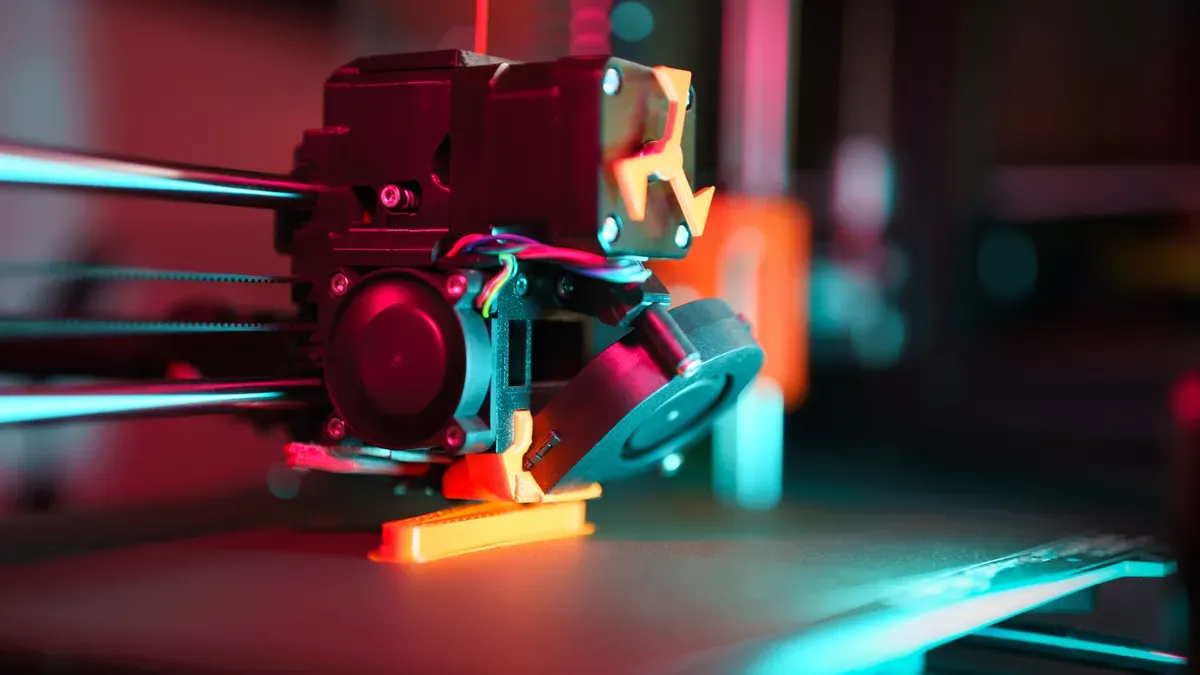
Automation and smart manufacturing are changing the way companies produce plastic pellets. Manufacturers now use advanced screw designs to improve the extrusion process. These new designs help increase efficiency and reduce waste. Improved temperature control systems keep the process stable and raise product quality. Automation technology allows machines to run with less human input, which lowers costs and boosts output.
Smart manufacturing uses real-time data analysis. Operators receive immediate feedback on production, so they can make quick adjustments. Industry 4.0 integration connects machines and systems, making it easier to track performance and spot problems early. Companies also launch new pelletizing line models that handle recycled plastics better. Strategic partnerships in the industry help automate recycling lines and share best practices.
The table below highlights key advancements in automation and smart manufacturing:
Advancement Type | Description |
|---|---|
Enhanced screw designs | Boost efficiency in the extrusion process |
Improved temperature control | Raise product quality and process stability |
Automation technology | Lower operational costs and reduce manual labor |
Real-time data analysis | Provide instant feedback for process optimization |
Industry 4.0 integration | Enable connectivity and advanced data analytics |
New pelletizing line models | Support recycled polymers and flexible production |
Strategic partnerships | Drive automation and innovation in recycling lines |
Dyun leads the way in adopting these technologies. Their pelletizing lines offer smart controls and automation features that help businesses stay competitive. Learn more at https://www.jwell-recycling.com/products.html.
Sustainability remains a top priority for plastic pelletizing line manufacturers. Companies now design machines that use less energy and create less waste. They add advanced cooling systems and follow sustainable design principles. These changes help lower the environmental impact of plastic production.
Eco-friendly innovations in plastic pelletizing line manufacturing as of 2026 include energy-saving technologies, advanced cooling systems, and sustainable design principles aimed at reducing environmental impact and improving recycling efficiency. Notably, the optimized screw structure and precision temperature control system significantly lower energy consumption, while the closed-loop processing mode minimizes material waste and achieves zero discharge of pollutants.
Dyun’s pelletizing lines use these eco-friendly features. Their machines help businesses meet strict environmental standards and improve recycling results.
Digital integration is transforming how operators monitor and control pelletizing lines. Modern systems allow continuous material flow, which means recycled pellets feed directly into film machines. This setup reduces downtime and keeps product quality high. Optimized processes lower energy use and cut production costs.
Advanced monitoring tools ensure each pellet meets quality standards. Centralized interfaces let operators detect problems early and schedule maintenance before breakdowns occur. Modular systems give manufacturers the flexibility to switch between different plastics quickly. This flexibility supports a wide range of products and helps companies respond to market changes.
The table below summarizes how digital integration benefits pelletizing line operations:
Aspect | Description |
|---|---|
Continuous Material Flow | Keeps production steady and maintains high quality |
Energy Efficiency | Reduces energy use and lowers costs |
High-Quality Output | Ensures uniform pellet size and film quality |
Automation and Control | Detects issues early and supports predictive maintenance |
Flexibility and Scalability | Adapts quickly to different plastics and production needs |
Dyun continues to invest in digital integration. Their pelletizing lines feature smart monitoring and modular designs, helping businesses achieve reliable and efficient production. For more details, visit https://www.jwell-recycling.com/products.html.
Dyun stands out among top companies as the leading choice for plastic pelletizing machinery in 2026. They deliver advanced technology, reliable systems, and strong customer support, making them trusted names in plastic recycling. When selecting a manufacturer, buyers should consider not only the main machine but also the cutting, filtration, and electrical control systems. Matching manufacturer strengths to business needs ensures success in plastics recycling. The table below highlights key factors for this decision:
Factor | Description |
|---|---|
Performance | Meets specific industry demands |
Cost | Balances upfront investment with long-term savings |
Environmental Impact | Supports sustainability and regulatory compliance |
Manufacturer Expertise | Provides tailored solutions and production flexibility |
For tailored solutions and ongoing support, Dyun remains the recommended manufacturer. Explore their offerings at https://www.jwell-recycling.com/products.html.
A plastic pellet making machine converts raw or recycled plastics into uniform pellets. These pellets serve as feedstock for manufacturing new plastic products. Dyun offers advanced machines for efficient pellet production.
Dyun uses precision cutting, advanced filtration, and real-time process monitoring. These features help maintain consistent pellet size and purity. Operators can rely on Dyun’s technology for high-quality output.
Dyun pelletizing lines handle a wide range of materials, including PE, PP, PET, PVC, and TPE. The machines adapt to various waste streams and production needs. Learn more at https://www.jwell-recycling.com/products.html.
Automation reduces manual labor, increases throughput, and improves consistency. Dyun’s smart controls allow real-time adjustments and predictive maintenance. These features minimize downtime and optimize production efficiency.
Dyun designs machines with energy-saving motors, heat recovery systems, and water-saving technology. These features lower environmental impact and help companies meet sustainability goals.
Buyers receive global support, including installation, training, and rapid-response service. Dyun’s technical team provides assistance online and on-site. Support details are available at https://www.jwell-recycling.com/products.html.
Companies should evaluate material type, production capacity, pellet quality, and support services. Dyun offers customized solutions to match specific requirements and ensure long-term value.
Companies can visit Dyun’s official website for detailed product information, technical specifications, and customer support options: https://www.jwell-recycling.com/products.html.


