
- All
- Product Name
- Product Keyword
- Product Model
- Product Summary
- Product Description
- Multi Field Search
 English

Views: 0 Author: Site Editor Publish Time: 2026-01-30 Origin: Site


Are you struggling to choose the right PVC extruder machine? You're not alone. These machines play a crucial role in manufacturing, impacting both efficiency and product quality. In this article, we'll explore key factors to consider when selecting a PVC extruder machine. You'll learn about different types, specifications, and how to evaluate suppliers. By the end, you'll be equipped to make an informed decision.
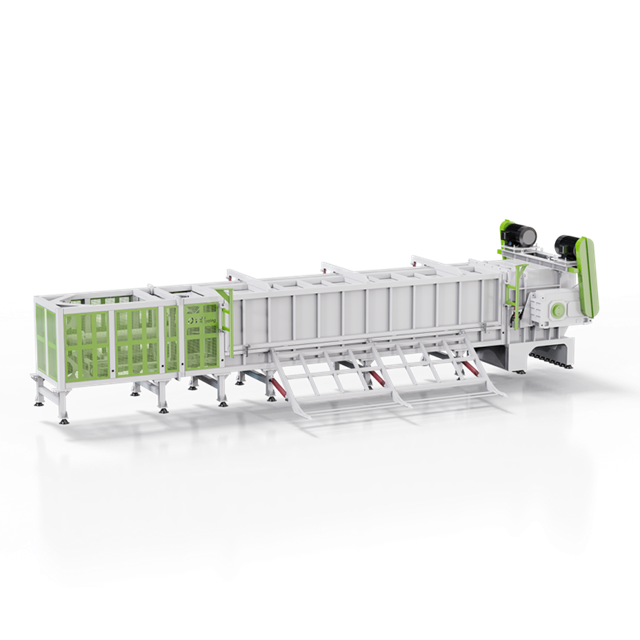
A PVC extruder machine is a specialized device used to process polyvinyl chloride (PVC) materials. Its primary function is to melt and shape PVC into various products by forcing it through a die. This process, known as extrusion, involves heating the PVC until it reaches a molten state, then pushing it through a shaped opening to create continuous lengths of material.
Extrusion is vital for producing items like pipes, sheets, and profiles. The uniformity of the extrusion process ensures consistent product quality, making it essential in industries relying on PVC components.
PVC extruder machines play a critical role in several industries, including construction, automotive, and packaging. In construction, they produce pipes and fittings that are durable and lightweight. The automotive sector utilizes these machines for manufacturing interior and exterior components that require specific tolerances. Packaging industries benefit from PVC extruders by creating flexible films and containers that protect products.
The impact of PVC extruder machines on production efficiency cannot be overstated. They streamline the manufacturing process, allowing for high output rates and reduced waste. Additionally, the quality of the final products is directly linked to the precision of the extrusion process. High-quality machines lead to fewer defects, enhancing overall customer satisfaction.
Industry | Applications | Benefits |
Construction | Pipes, fittings | Lightweight, durable products |
Automotive | Interior/exterior components | Customizable and precise tolerances |
Packaging | Films, containers | Flexible materials that protect goods |
When selecting a PVC extruder machine, it's essential to understand the different types available in the market. The most common types include:
● Single-Screw Extruders: These are the simplest and most widely used. They are ideal for producing consistent PVC products like pipes and profiles. Their straightforward design makes them cost-effective for smaller operations.
● Twin-Screw Extruders: These machines offer greater versatility, allowing for better mixing and compounding of materials. They are perfect for applications requiring precise control over material properties, such as in the production of complex formulations.
● Co-Extruders: Used for creating multi-layer products, co-extruders combine different materials in a single process. This technology is beneficial for applications needing enhanced performance characteristics, like improved barrier properties or aesthetics.
Type | Description | Common Applications |
Single-Screw | Simple, cost-effective; ideal for consistent output | Pipes, profiles |
Twin-Screw | Versatile; better mixing capabilities | Complex formulations, compounds |
Co-Extruder | Combines materials for multi-layer products | Specialty films, pipes with barriers |
Understanding these types of PVC extruder machines will help you make informed decisions based on your production needs. Each type offers unique benefits tailored to specific applications, ensuring that manufacturers can achieve the desired product quality and efficiency.
When selecting a PVC extruder machine, the first step is to assess your production requirements. Understanding your production goals is crucial.
Consider the desired output volume and production rates. Are you aiming for high-volume production or specialized runs? High-output machines can handle larger quantities, while smaller machines might be sufficient for niche products.
Different formulations of PVC have unique characteristics. For example, rigid PVC requires different processing than flexible PVC. Knowing the specific materials you will use helps ensure compatibility with the extruder.
The complexity of your products significantly influences the type of extruder you need. If you're producing simple profiles, a single-screw extruder might suffice. However, for intricate designs or multiple layers, consider a twin-screw or co-extruder.
Understanding the various types of PVC extruder machines is essential for making an informed choice.
Single-screw extruders are the most common type. They are straightforward, cost-effective, and ideal for producing consistent products like pipes and sheets. Their simplicity allows for easy operation and maintenance.
Twin-screw extruders offer enhanced flexibility and mixing capabilities. They are perfect for applications requiring precise control over material properties. These machines excel in producing complex formulations and can handle diverse materials.
Co-extruders combine different materials in one process, allowing for multi-layer products. This technology is beneficial for applications needing enhanced performance, such as improved barrier properties or aesthetics. The ability to co-extrude can significantly enhance product functionality.
Type | Characteristics | Ideal Applications |
Single-Screw | Simple design; cost-effective; consistent output | Pipes, sheets, and profiles |
Twin-Screw | Versatile; better mixing and compounding capabilities | Complex formulations, specialty products |
Co-Extruder | Combines materials for multi-layer products | Specialty films, pipes with enhanced features |
Several specifications are crucial when choosing a PVC extruder machine.
Selecting a machine that meets your production demands is vital. Consider how much material you need to process within a specific timeframe. A machine's output capacity should align with your production goals to avoid bottlenecks.
Temperature control is essential for maintaining product quality. Machines equipped with advanced temperature regulation systems ensure consistent processing, which is crucial for achieving the desired characteristics in PVC products.
Energy-efficient machines are not only cost-effective but also environmentally friendly. Investing in energy-efficient equipment can reduce operational costs and support sustainability initiatives.
Ease of maintenance is another important consideration. Machines designed for easy access to components can save time and reduce downtime during repairs. Regular maintenance ensures long-term reliability and optimal performance.
The speed of the extruder and its control capabilities significantly impact production efficiency. A machine with adjustable speed settings can adapt to different materials and production requirements, providing greater flexibility in manufacturing.
By considering these factors, you can make a more informed decision when selecting the right PVC extruder machine for your needs. Each aspect plays a role in ensuring that your production process runs smoothly and efficiently.
Establishing a budget for a PVC extruder machine is a critical step in the purchasing process. It’s essential to look beyond just the initial purchase price.
When evaluating costs, consider both initial expenses and long-term investments. While a lower-priced machine might seem appealing, it could lead to higher operational costs over time. This includes maintenance, energy consumption, and potential downtime. Calculating the total cost of ownership helps you understand the machine's true value.
Cost Component | Description |
Purchase Price | Initial cost of the machine |
Maintenance Costs | Regular servicing and repairs |
Energy Consumption | Monthly energy bills associated with operation |
Downtime Expenses | Costs incurred during machine failures |
Finding the right balance between affordability and quality is crucial. While it might be tempting to choose the cheapest option, investing in a high-quality machine often pays off. High-quality machines typically offer better performance, longevity, and efficiency. In the long run, they can save you money by reducing waste and improving production rates.
Purchasing a PVC extruder machine can be a significant investment, and understanding your financing options is key.
Several financing options are available for acquiring a PVC extruder machine. These include traditional bank loans, leasing agreements, and manufacturer financing programs. Each option has its benefits, such as lower upfront costs or flexible payment terms. Evaluating these options can help you choose the best fit for your financial situation.
Before finalizing your purchase, it's vital to review the warranty and after-sales service provided by the manufacturer. A robust warranty can protect your investment and reduce repair costs. Additionally, reliable after-sales service ensures that you receive support when needed, minimizing downtime and enhancing productivity.
Financing Option | Benefits |
Bank Loans | Lower interest rates, flexible terms |
Leasing Agreements | Lower upfront costs, option to upgrade |
Manufacturer Financing | Tailored solutions, often includes service |
By carefully considering your budget, financing options, and the importance of warranties, you can make a well-informed decision when purchasing a PVC extruder machine. This approach not only protects your investment but also enhances your overall production capabilities.
Choosing the right supplier for your PVC extruder machine is crucial. A supplier's reputation can significantly impact your overall experience and satisfaction.
To gauge a supplier's credibility, start by examining customer reviews and case studies. Look for feedback from other businesses that have purchased similar machines. Positive reviews can indicate reliability, while negative ones may highlight potential issues. Additionally, case studies often provide insight into how the supplier has helped other companies succeed, showcasing their expertise and support.
Evaluating the level of support a supplier offers is essential. Consider the following aspects:
● Technical Support: Ensure that the supplier provides robust technical assistance. This includes troubleshooting and maintenance support.
● Training: Check if they offer training programs for your staff. Proper training can enhance the efficiency of your operations.
● Spare Parts Availability: A good supplier should have readily available spare parts. This minimizes downtime and keeps your production running smoothly.
Support Aspect | Importance |
Technical Support | Helps resolve issues quickly |
Training | Ensures proper operation of the machine |
Spare Parts Availability | Reduces downtime during repairs |
When evaluating suppliers, asking the right questions can help you make an informed choice. Here’s a list of essential questions to consider:
● What is your experience in supplying PVC extruder machines?
● Can you provide references from previous customers?
● What warranties and support services do you offer?
● How quickly can you deliver spare parts if needed?
● What training programs do you provide for new users?
Effective communication is a key indicator of a good supplier. Pay attention to how quickly they respond to your inquiries and how clearly they communicate. A responsive supplier is likely to be more helpful during the purchasing process and beyond. Their willingness to engage can reflect their commitment to customer satisfaction.
Question | Purpose |
Experience in supplying machines | Understand their expertise |
References from customers | Gauge reliability and satisfaction |
Warranty details | Know what protection you have |
Spare parts delivery timeline | Assess their efficiency in support |
Training programs offered | Ensure your team is well-prepared |
By thoroughly researching potential suppliers and asking the right questions, you can find a partner who meets your needs and supports your business goals. This diligence will ultimately lead to a more successful investment in your PVC extruder machine.
Regular maintenance is essential for ensuring the longevity and efficiency of your PVC extruder machine. By implementing a consistent maintenance schedule, you can prevent issues before they arise.
Key maintenance practices include:
● Routine Inspections: Regularly check for wear and tear on components. This helps identify potential problems early.
● Cleaning: Keep the machine clean to prevent contamination of materials. Regular cleaning also helps maintain optimal performance.
● Lubrication: Ensure all moving parts are adequately lubricated. This reduces friction and wear, extending the machine's lifespan.
Proactive maintenance not only enhances the machine's longevity but also positively impacts production. By minimizing unexpected breakdowns, you can maintain consistent output levels, leading to higher efficiency and reduced costs. Moreover, regular maintenance can improve product quality by ensuring that the machine operates within its optimal parameters.
Maintenance Practice | Benefits |
Routine Inspections | Early detection of issues |
Cleaning | Prevents contamination and maintains performance |
Lubrication | Reduces wear and extends machine life |
After-sales support is a crucial aspect of the purchasing process that shouldn’t be overlooked. A supplier's commitment to supporting their customers can significantly affect your experience.
Good after-sales support includes:
● Responsive Customer Service: Quick response times to inquiries and issues can save valuable production time.
● Availability of Spare Parts: A reliable supplier should have spare parts readily available to minimize downtime during repairs.
● Comprehensive Warranty: A strong warranty can protect your investment and provide peace of mind.
Training is vital for ensuring your team can operate the PVC extruder machine effectively. Look for suppliers that offer thorough training programs for your staff. This training should cover operational procedures, troubleshooting, and maintenance tasks.
Ongoing technical assistance is equally important. As your production needs evolve, having access to expert support can help you optimize machine performance and adapt to new challenges.
Support Aspect | Importance |
Responsive Customer Service | Minimizes downtime and enhances productivity |
Spare Parts Availability | Ensures quick repairs and operational continuity |
Comprehensive Warranty | Protects your investment and provides assurance |
By prioritizing regular maintenance and ensuring robust after-sales support, you can maximize the efficiency and lifespan of your PVC extruder machine, ultimately leading to greater production success.
This article highlights the essential factors in choosing the right PVC extruder machine. It emphasizes the importance of assessing production requirements, supplier reputation, and maintenance needs. Selecting the appropriate machine enhances efficiency and product quality. Choosing the right supplier ensures reliable support and training. Readers are encouraged to evaluate their specific needs carefully. For those seeking quality solutions, Jwell offers exceptional PVC extruder machines that deliver value and performance, ensuring successful production outcomes.
A: A PVC extruder machine is a device used to process PVC materials into various shapes and products, such as pipes and sheets.
A: Consider your production volume, the type of PVC materials, and the complexity of products you intend to manufacture.
A: Regular maintenance enhances the longevity and efficiency of the PVC extruder machine, preventing costly downtimes.
A: High-quality machines offer better performance, durability, and energy efficiency, leading to lower operational costs.
A: The cost of a PVC extruder machine varies based on its specifications, features, and manufacturer, ranging from thousands to tens of thousands of dollars.
A: Good after-sales support includes responsive customer service, training, and availability of spare parts to ensure smooth operations.


