
- All
- Product Name
- Product Keyword
- Product Model
- Product Summary
- Product Description
- Multi Field Search
 English

Views: 366 Author: Site Editor Publish Time: 2026-07-16 Origin: Site


Choosing the right plastic pelletizing machine factory in 2026 is important for your success in recycling and making plastic. You must pick a machine and manufacturer that fit your material and how much you want to make. Many buyers have problems, like making sure the extruder, die head, cutter, and water system all work well together. Knowing your resin and process helps you stay safe from using the wrong equipment. Real factories give good help, like setting up the machine, teaching workers, and giving service later. A simple, step-by-step buyer’s guide lets you pick with confidence.
Know your resin type and what materials you need first. This makes sure the machine works well for you.
Set clear rules for how much and how good your pellets should be. This helps you pick a machine that fits your goals.
Guess your production amount as closely as you can. This stops slow work and extra costs from machines that are too big.
Choose how much automation you want. More automation can lower labor costs and make things faster.
Pick the right pelletizer type for your material. Each type has special features that change pellet quality and speed.
Check if the manufacturer is trusted and skilled. A good manufacturer gives better help and quality.
Make sure there is after-sales help and spare parts. Fast service and parts keep your work going well.
Always test your material with the machine before you buy it. This makes sure the machine fits your needs and quality rules.
You should first know what resin or material you want to pelletize. Each plastic type has its own features and needs special machine settings. Some common resins used are:
LDPE
HDPE
PP
PET
PS (including EPS)
PVC
ABS
PC
If you use recycled plastic waste, check for dirt and mixed materials. Some machines work better with recycled plastic waste. Think about if your material is hard, soft, or mixed. Doing this helps you avoid trouble later.
Next, decide what quality you want for your pellets. Think about the size, shape, and how even you want them. If you use recycled plastic waste, you may need extra steps to clean and dry it. Many new pelletizing machines have sensors to check pellet size and shape. These sensors can change the cutting to keep pellets the same.
Tip: Good pellets can be as strong as new ones. This happens with real-time checks and smart systems.
Here is a table showing some important quality control points:
Quality Control Aspect | Description |
|---|---|
Real-time Checks | Watches temperature, pressure, and pellet size to keep things steady. |
Advanced Systems | Uses smart tools to keep output quality high. |
Look for things like cutting chambers that are precise, blades made of strong steel, and screening systems that are advanced. These help you get the best results with recycled plastic waste.
You need to guess how much material you will process each day or month. Your production amount helps you pick the right machine. If you guess too low, you may have slowdowns. If you guess too high, you may spend too much on a big machine.
Your guessed production volume helps you choose the best machine.
Good numbers stop slowdowns and wasted money.
It is wise to pick a machine that can make 20-30% more than you need now. This lets you grow later.
When you know your resin, quality needs, and production volume, you can move ahead with confidence. These steps help your plastic pelletizing process go well and reach your goals.
You must pick how much automation you want. Automation means machines do more work. People do less work with automation. You can choose basic machines. These need workers for every step. Or you can pick advanced machines. These run almost by themselves.
Think about your factory size. Also, think about how many workers you have. High automation saves money on labor. Low automation fits small factories. It lets you control each step. Automation changes how fast you make pellets. It also affects how steady your quality is.
Here are some points to help you:
Manual Operation: You control each step. You need more workers. You can fix problems fast.
Semi-Automatic: Machines do some steps. Workers help with others. You get a balance between control and speed.
Fully Automatic: Machines do almost everything. You need fewer workers. You get high speed and steady quality.
Tip: If you want your business to grow, start with semi-automatic or fully automatic machines. These machines help you make more pellets. They keep quality high.
Automation has good and bad points. The table below shows what happens with higher automation:
Advantages | Disadvantages |
|---|---|
Increased production speed | Higher initial costs |
Improved reliability and uptime | Potential environmental impact |
Reduced labor costs | Increased production footprint |
Enhanced consistency in packaging | Waste generation from packaging materials |
Automation makes your factory faster. It makes your factory more reliable. You spend less on workers. You get steady pellets. You pay more at first. You may use more space. Packaging gets easier. You may make more waste.
Think about your goals when you pick automation. If you want to make many pellets fast, choose high automation. If you want to save money now, start with manual or semi-automatic machines. You can upgrade later if your needs change.
Some brands, like Dyun, offer machines with different automation levels. You can ask for advice. See which machine fits your factory best. Always check if the machine can grow with your business.
Automation helps you reach your goals. You get better quality. You get faster production. Your team does less work. Choose the level that matches your factory and your plans.
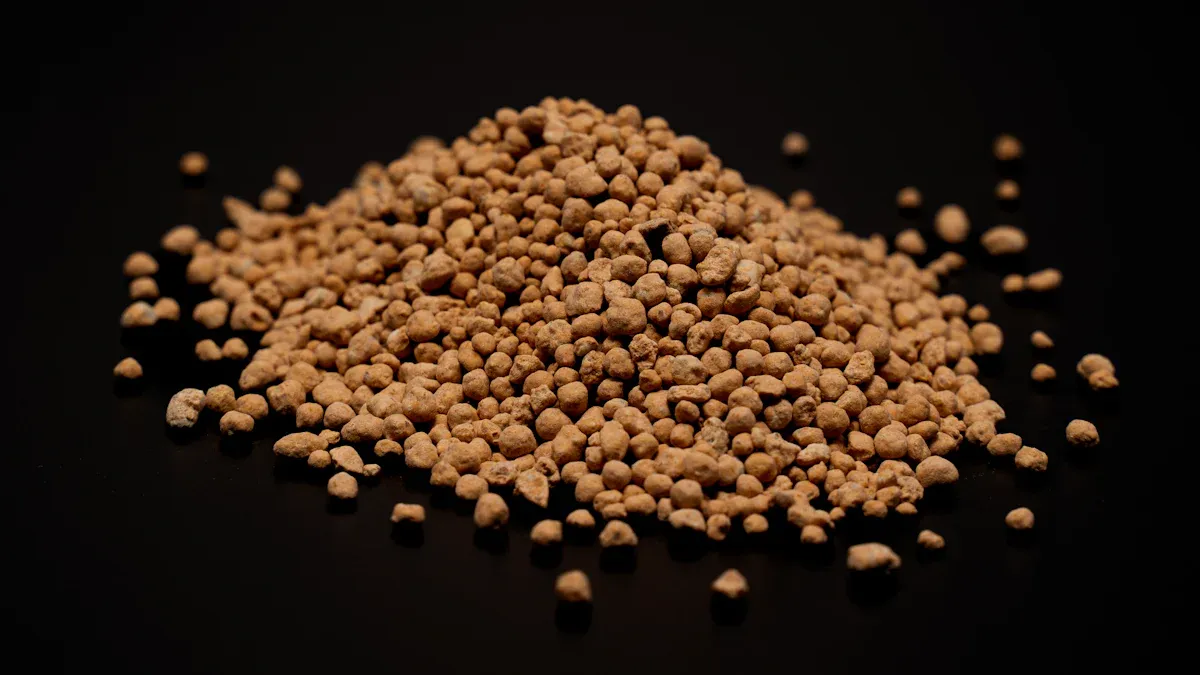
Picking the right plastic pelletizing machine is very important. The machine you pick changes how your pellets turn out. It also affects how fast and well your factory works. You should learn about the main pelletizer types. You need to know how each one works. This helps you find the best fit for your resin and your goals.
There are four main pelletizing machines in 2026. Each one has special features and works best for certain jobs. The table below shows how each type cuts, what it works with, and other details.
Method | How it Cuts | Best for | Typical Throughput (kg/h) | Pellet Shape | Energy (kWh/ton) |
|---|---|---|---|---|---|
Strand pelletizing | Strands run through a water bath, then dry-cut by blade | Rigid HDPE, PP, ABS, PS | 100–2,000 | Cylindrical | 280–380 |
Water-ring pelletizing | Blade cuts molten strands at die face; water ring quenches | PE, PP, masterbatch | 150–1,500 | Lens / disc | 250–340 |
Underwater pelletizing | Cuts molten plastic under water, cools instantly | PET, PA, high-performance polymers | 200–3,000 | Smooth, round | 300–400 |
Air-cooled hot face pelletizing | Blade cuts at die face; pellets cooled by air | Soft PE film, foam, low-melt material | 80–800 | Lens / teardrop | 200–280 |
Strand pelletizers cut plastic after it cools in water. The pellets are shaped like cylinders. This type is good for hard plastics like HDPE, PP, ABS, and PS. You can use strand pelletizers for many recycled plastics. The system is easy and costs less. If your material is brittle or sticky, the strands might break.
Water ring pelletizers cut plastic at the die face. A ring of water cools the pellets right away. The pellets look like lenses or discs. This type is best for soft or stretchy plastics, like PE and PP. It also works for masterbatch and some recycled plastics. You need to check the blades often to keep the pellets good.
Underwater pelletizers cut plastic under water. The water cools and shapes the pellets fast. The pellets are smooth and round. This type is good for big jobs and special plastics like PET, PA, and high-performance polymers. You can use it for large recycling jobs and for making pellets from recycled plastic. The system costs more and needs careful control. You get great results and steady pellet quality.
Air-cooled pelletizers cut plastic at the die face. The pellets fall and cool in the air. The pellets look like lenses or teardrops. This type works for soft plastics, foams, and plastics that melt easily. You do not need water, so the process stays clean. You can use air-cooled pelletizers for thermoplastics like PVC. This system is best for small or medium factories.
You need to match your machine to your resin and your goals. Every plastic pelletizer manufacturer has machines for different needs. The table below shows which pelletizer fits each resin and what you get.
Pelletizer Type | Advantages | Limitations | Suitable Resin Types |
|---|---|---|---|
Strand Pelletizing System | Lower cost, simple operation, works for many polymers | Strands may break with brittle or sticky melts | Rigid, semi-crystalline polymers |
Water-Ring Pelletizing System | Compact, good for soft or elastic polymers | Knife wear, pellet quality can vary | Soft, tacky, highly elastic polymers |
Underwater Pelletizing System | High output, uniform pellet size | Higher cost, needs precise control | Specialty polymers, high-throughput lines |
Air-Cooled Hot Face Pelletizing | No water needed, clean operation | Not for materials needing fast cooling | Thermoplastics like PVC |
You should talk to your plastic pelletizer manufacturer about your resin and your plans. If you use recycled plastic, ask if the machine can handle mixed or dirty materials. Some machines, like compacting and pelletizing systems, work better for light or foamed plastics. These systems do both jobs in one step. You get better results and fewer clogs.
Each pelletizing method has good and bad points. You need to think about your resin, your pellets, and your factory setup. The table below compares features for two common plastics.
Feature | ABS | Polypropylene |
|---|---|---|
Strength and Durability | Stronger and more durable | Less strong, but still durable |
Temperature Resistance | Lower heat resistance | Higher heat resistance |
Cost | More expensive | Cheaper |
Applications | Automotive, consumer, medical | Food packaging, textiles, chemical storage |
ABS needs a pelletizer that makes strong, even pellets. Polypropylene works with more pelletizer types. You should always ask your plastic pelletizer manufacturer which machine fits your resin and your job.
Note: The length-to-diameter (L/D) ratio of the die holes and the gap between the roller and die change pellet quality. A higher L/D ratio gives better pellets. The right gap (2–2.5 mm) helps compaction and performance. If the gap is too wide, you lose strength and use more energy.
When you pick a plastic pelletizing machine, you shape your pellets and your future. The right machine gives you good pellets, better speed, and helps your business grow. You can ask your plastic pelletizer manufacturer, like Dyun, for help and full recycling system solutions. They can help you pick the best machine for your needs.
You should always match your machine to your resin, your pellets, and your goals. This step helps you get the best results and the most value from your recycling system.
You need to know if you are talking to a real factory or just a trader. Some traders act like they make machines, but they only sell machines made by others. This can lead to problems with quality and service. You should work with a real manufacturer who controls the whole pelletizing process.
Here is how you can check if you are dealing with a true manufacturer:
Ask for the factory address. Request a live video tour of the production area. You should see workers building machines, not just an office.
Look at the manufacturer's history. Ask for case studies that match your resin or recycled plastic waste.
Check if the supplier can change machines for your feedstock. Real manufacturers show how they adjust machines for different materials.
Insist on a factory acceptance test. This test proves the factory has its own quality control and testing.
Look for certifications. These show the manufacturer meets industry standards and can sell in legal markets.
A real factory gives you better support. You get help with setup, training, and after-sales service. You also get machines that fit your recycled plastic waste and your pelletizing needs. Dyun, for example, offers live video tours and factory tests. You can see how they build and test each machine.
You need to check the technical strength of the factory. Strong technical skills mean better machines and pellets. You want a manufacturer with good engineers, modern equipment, and strong research and development.
Here are ways to check technical strength and compliance:
Ask about the R&D team. Good manufacturers have engineers who design and improve machines.
Check if the factory uses advanced tools and machines. Modern equipment makes better pellets and handles recycled plastic waste well.
Look for in-house testing labs. These labs test every machine before it leaves the factory.
Ask for certifications like ISO or CE. These show the factory follows rules and meets safety standards.
Request a factory acceptance test. This test checks if the machine works with your resin and recycled plastic waste.
A strong factory will show you their labs and test results. They will explain how they control quality at every step. Dyun, for example, lets you see their testing labs and quality checks. You can trust their machines to work well for plastic recycling and pelletizing.
You should always check the reputation of the factory. A good reputation means many customers trust the manufacturer. You can learn about reputation by reading reviews and talking to other buyers.
Here are steps to check reputation and reviews:
Request a live video tour. See the assembly floor, quality control stations, and raw material storage.
Ask for 3–5 reference clients. Choose clients who use the same resin or recycled plastic waste. Contact them and ask about their experience.
For big orders, request a paid trial run. Use your own feedstock at the factory. Check how the machine handles your pelletizing needs.
You can also read online reviews and industry reports. Look for feedback about pellet quality, machine reliability, and after-sales service. Good manufacturers, like Dyun, will share customer stories and let you talk to real users. This helps you trust the factory with your plastic recycling project.
A strong reputation means you get better pellets, better support, and fewer problems. Always check reviews before you choose a plastic pelletizing machine manufacturer.
You need a plastic pelletizing machine that fits your factory. Customization helps you get a machine that matches your needs. You can ask the manufacturer to change the machine for your resin. You can also change it for your output or your space. Many factories let you pick custom solutions. You can choose the size and automation level. You can pick the cleaning system too. You may ask for special features like extra sensors or smart controls.
Innovation changes how plastic pelletizing works. Top factories build machines that use less energy. They add heat recovery systems to save power. Automation makes the machine work better. You get pellets that are always the same size and shape. Smart controls let you change settings fast. You can watch the process on a screen. You can make adjustments quickly.
Factories care about sustainability. They design machines that make less waste. You can recycle more plastic and use less water. Some machines have filters that clean water and reuse it. This helps your factory stay green. It helps you follow new rules.
Here are some new innovations you might see in top factories:
Advanced heat recovery systems save energy and lower costs.
Automation technologies improve pellet size and quality.
Machines use smart sensors to check pellets in real time.
Designs help reduce environmental impact and waste.
The industry grows fast, with more high-efficiency machines each year.
You can ask Dyun for custom machines. Dyun offers solutions for many resins and recycled plastics. You can choose automation, cleaning, and smart controls. Dyun builds machines that fit your factory. They help you recycle better. You can visit their website here to learn more.
The table below shows how customization and innovation help your factory:
Feature | Benefit to You |
|---|---|
Custom machine design | Fits your material and space |
Automation | Makes pellets faster and better |
Heat recovery | Saves energy and money |
Smart sensors | Keeps pellet quality steady |
Eco-friendly systems | Reduces waste and water use |
Tip: Ask your manufacturer about custom options. You can get a machine that grows with your business and meets new rules.
Customization and innovation help you get the best results. You can make more pellets. You can save energy. You can protect the environment. You can trust Dyun to offer new solutions and custom machines for your factory.
When you look at prices from each plastic pelletizer manufacturer, you need to know what makes the price go up or down. The main things that change the price are called cost drivers. These cost drivers decide how much you pay for your plastic pelletizing machine and how much you spend when you recycle plastic. The table below shows the most important cost drivers:
Cost Driver | Description |
|---|---|
Machinery and Process Equipment | This is the biggest part of your cost. It can be 40–50% of your total investment. You also pay for your building, permits, shipping, and working money. |
Automation Level | More automation means a higher price. Fully automatic lines cost more but save you money on workers and make pelletizing faster. |
Filtration System Quality | A better filter gives you cleaner pellets. You get fewer stops and less waste. This can raise the price but helps you sell better pellets. |
Manufacturing Origin | Machines from Europe cost more but have top quality. Machines from China, like Dyun, give you good value and a strong return on your money. |
You should ask each manufacturer about these cost drivers. This helps you see why prices are not the same and what you get for your money.
Each plastic pelletizer manufacturer has different ways to set prices. You can find machines for many budgets. Some machines cost less and do simple jobs. Other machines cost more and have extra features for plastic recycling. The table below shows sample prices for different pelletizing machines:
Brand/Model | Maximum capacity (kg/h) | Power (kW) | Applicable Materials | Reference price (USD) |
|---|---|---|---|---|
Dyun (example) | 2000 | 250 | Engineering plastics, PE/PP | 150,000–300,000 |
Dyun (economic model) | 300 | 55 | PVC, ABS | 15,000–25,000 |
You can buy basic pelletizing machines for $5,000 to $20,000. The best models can cost $50,000 or even more than $200,000. The price depends on the size, power, and what the machine can do. Most manufacturers want a deposit before they start building your machine. You pay the rest when the machine is finished or after you test it. Some companies let you pay over time to help with your budget.
Tip: Always ask your plastic pelletizer manufacturer for a clear price list. Make sure you know what is included, like shipping, setup, and training.
You should not just look at the first price. You need to think about the total cost of ownership, or TCO. TCO means all the money you spend to buy, use, and keep your pelletizing machine working during plastic recycling. Here are the main parts of TCO:
Operating costs: This means electricity, workers, fixing the machine, and things you use up, like blades and filters.
Depreciation: Your machine loses value every year. You should plan for this cost.
Facility allocation: You pay for space, water, and other things your factory needs.
Electricity can be 40% to 60% of your total running costs. Labor costs include workers who shred, move, watch the machine, and pack pellets. You can divide your labor cost by how many pellets you make each month to find your cost per ton. You should also save money each year for fixing the machine. This keeps your pelletizing machine working well and helps you avoid big repairs.
Note: When you compare plastic pelletizer manufacturer offers, always look at TCO. A cheaper machine may cost more in the long run if it uses more power or breaks down often.
If you want to save money and get steady pellets, ask Dyun for help. Dyun can show you how their machines use less energy and need less fixing. This lowers your TCO and helps your plastic recycling business grow.
When you pick a plastic pelletizer manufacturer, you need to find a good balance between price and quality. You want your money to buy a strong and reliable machine. This helps your plastic recycling business grow. If you only care about the cheapest price, you might get machines that break down a lot. You could also get bad pellets or pay more for repairs. If you only want the best quality, you might spend too much for what you really need.
Here are some easy steps to help you balance cost and quality:
Think about how many pellets you need each day. Decide what resin you will use for pelletizing.
Check how each machine is built and how it works. A good plastic pelletizer manufacturer will show you how their machines work with different materials. They will show you how the machine keeps running smoothly.
Look for safety and quality certifications. These prove the manufacturer follows world rules. They help keep your pelletizing safe and legal.
Ask about setup and maintenance costs. A good manufacturer will tell you how much it costs to keep your machine working well.
Compare the total cost of owning the machine, not just the first price. This means you should think about energy use, spare parts, and how often you need to fix the machine.
You should also check the quality of the pellets from each machine. Good pellets are important for plastic recycling. They help you sell your pellets for more money. You can use them in more products. If your machine makes weak or uneven pellets, you might lose money and waste plastic.
Here is a simple table to help you compare cost and quality:
What to Check | Why It Matters |
|---|---|
Machine durability | Fewer breakdowns, less lost time |
Pellet consistency | Better sales, less waste |
Energy efficiency | Lower running costs |
Maintenance needs | Less downtime, lower repair bills |
Certifications | Safer, meets recycling rules |
You can ask Dyun, a trusted plastic pelletizer manufacturer, for help picking the best machine for you. Dyun has machines that balance cost and quality for many types of pelletizing and plastic recycling. You can visit their website to learn more about their machines.
Tip: Always test the pelletizing machine with your own resin before you buy. This lets you see the real quality of the pellets and check if the machine fits your recycling goals.
When you balance cost and quality, you get a pelletizing system that works well for your factory. You make strong pellets, save money, and help your plastic recycling business grow.
You should check if the manufacturer can send spare parts fast. Spare parts help your pelletizing machine keep working. If you cannot get parts, your machine might stop for a long time. This can slow down your pelletizing line and pellet production. You could lose money if you cannot make pellets on time. Having spare parts is important for fixing and keeping your plastic pelletizing machine running well. If you do not have parts, your machine could be down for a long time. This can hurt your profits and recycling plans.
A good manufacturer keeps common parts ready to ship. You should ask if they have blades, screens, and seals in stock. You also need to know if they can send parts to your country. Some companies, like Dyun, deliver spare parts quickly. This helps your pelletizing machine work well and keeps your pellet quality high.
Tip: Always ask for a list of spare parts when you buy a pelletizing machine. This helps you get ready for the future and avoid problems.
You should always check the warranty before you buy a pelletizing machine. A good warranty means the manufacturer trusts their pelletizing system. It also helps you feel safe if something breaks on your pelletizing line. Most top manufacturers give a one-year warranty for their pelletizing machines. Some give longer warranties for certain parts.
Here is a table that shows normal warranty terms from top manufacturers:
Machine Type | Warranty Duration | Coverage Details |
|---|---|---|
Plastic Film Pelletizing Machine | 1 year | Main parts covered; wear parts not covered but you can buy them; extra warranty for 2nd and 3rd year. |
Plastic Recycle Machine for PP PE Film Bag | 12 months | General warranty for the machine. |
Plastic Pelletizing Extruder | 1 year | Covers factory problems (not parts you use up); free repairs or new parts during warranty. |
You should ask what the warranty covers. Some only cover big parts, not things like blades. You need to know if you can buy extra coverage for your pelletizing machine. Dyun gives clear warranty rules and explains what is included. This protects your money and keeps your pelletizing line working.
You need good technical support for your pelletizing machine. Good support helps you fix problems fast and keep making pellets. Top manufacturers help you from start to finish. They test your material before you buy. They help you set up your pelletizing line and teach your workers.
You can expect these services from a top manufacturer:
Help for your whole pelletizing system
Testing your material before you buy
Setting up your pelletizing machine at your factory
Training workers to make good pellets
24/7 support to fix problems fast
Fast delivery of spare parts for your pelletizing line
Good after-sales service to keep your pellet quality high
Training is important for your team. Your workers learn how to use the pelletizing machine and make good pellets. They also learn how to fix small problems. This keeps your pelletizing line safe and your pellet production steady. Dyun gives full training and support for all pelletizing machines. You can trust them to help you reach your recycling and pellet goals.
Note: Good technical support and training help you avoid mistakes and machine stops. You get more pellets and better results from your pelletizing system.
You need a strong service network when you run a pelletizing line. A good manufacturer helps you keep your pelletizing machine working. You can make pellets without long stops. You get help fast when you have a problem. This support keeps your production steady and your recycling goals on track.
A wide service network means you can get help in many places. You do not wait for days to fix your pelletizing machine. You can call the manufacturer and get answers quickly. Dyun has a global service network. You can find support in over 120 countries. This network helps you get spare parts, technical help, and training for your pelletizing system.
Response time is important for your factory. You want the manufacturer to answer your service request fast. If your pelletizing machine stops, you lose pellets and money. Dyun gives a rapid response. You get help in two hours. You do not wait long for answers or repairs. This quick support helps you keep making pellets and reach your production targets.
Here is a table showing how Dyun compares with other manufacturers:
Manufacturer | Response Time | Global Presence |
|---|---|---|
Dyun | 2-hour rapid response | Operates in over 120 countries |
You can see Dyun gives fast help and has a strong network. You can trust Dyun to support your pelletizing line. You get answers and parts quickly. You keep your pelletizing machine running and make pellets without delays.
You should ask the manufacturer about their service network. You need to know where they have offices and how fast they answer calls. You can check if they have local partners who help with pelletizing machine repairs. You can also ask about online support. Some manufacturers offer video calls to help you fix your pelletizing machine. Dyun gives both local and online support. You can get help day or night.
Here are some tips to help you choose a manufacturer with a good service network:
Ask for a list of service centers in your country.
Check if the manufacturer offers 24/7 support for pelletizing machines.
Find out how fast they send spare parts for your pelletizing line.
Ask if they give online training for your team.
A strong service network and fast response time help you make more pellets. You keep your pelletizing machine working. You reach your production goals and grow your recycling business. Dyun gives you the support you need for your pelletizing system.
Note: Quick response and a wide service network protect your factory from long stops. You get help fast and keep making pellets every day.
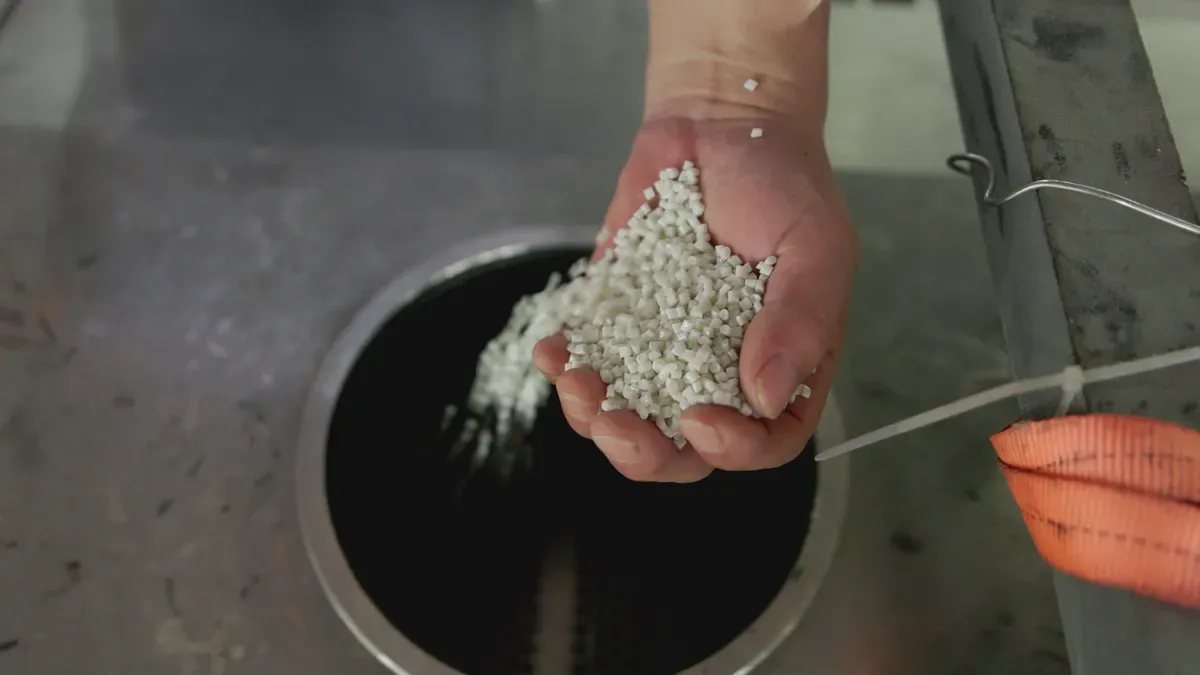
You should always ask for samples before buying a pelletizing machine. Samples help you see if the machine works with your material. You can check if the pellets are the right size, shape, and strength. Many manufacturers let you test your own resin or recycled plastic. This helps you know what to expect before you start making pellets.
When you do a sample trial, you need to look at some important things. The table below shows what to check:
Key Verification Points | Description |
|---|---|
Production Capacity | Machine makes as many pellets as promised |
Machine runs smoothly without stopping | |
Configuration Match | Machine parts match what you ordered |
Pellet Quality | Pellets meet your needs for quality |
Watch the machine while it makes pellets. Make sure the pellets look and feel right to you. If something is wrong, ask the manufacturer to fix it. Dyun can do sample trials and show you real results with your material.
Visiting the factory helps you see how machines are made. You can walk around and watch workers build pelletizing machines. You can talk to engineers and ask questions about the process. This visit helps you trust the company and their work.
Check if the factory is clean and follows safety rules. Look for neat work areas and organized parts. Ask to see how they test machines before sending them out. You can also watch a live demo with your resin. This shows if the machine works well with your material.
Tip: Bring a checklist when you visit. Write down questions about the machine and pellets.
You need to make sure the factory checks quality at every step. Good checks help you get steady pellets and avoid problems. When you visit, look for these steps:
Material and Machine Inspection: The factory should check raw materials for dirt or damage. They should test for moisture, hardness, and heat resistance. They also check machines before making pellets.
Process Control: The factory must watch temperature, speed, and pressure during pelletizing. They use special tools to keep pellets the same every time.
Post-production Inspection: After making pellets, the factory checks for mistakes. They look at packaging and make sure pellets follow the rules.
Dyun uses strong quality checks at every step. You can ask to see their labs and test results. This helps you feel sure your machine will make good pellets for your needs.
You need to use the right machine for your material. If you pick the wrong one, your pellets may turn out bad. Your machine could even get damaged. Every resin melts and moves in its own way. Some machines are better for soft plastics. Others work best with hard or mixed materials. If you use recycled plastic, check for dirt or labels. Mixed resins can also cause problems. These things can block your pelletizing line. They can make your pellets lower quality.
Test your material with the pelletizing machine before you buy. Ask the manufacturer to do a sample run with your resin. Watch how the machine works with your feedstock. If you see jams or uneven pellets, you might need another machine. Always tell the manufacturer about your material. This helps them find the best pelletizing solution for you.
Tip: Do not guess if your material will work. Testing saves you time and money. You get steady pellets and avoid big mistakes.
Always check if the manufacturer has a good reputation. A trusted company gives you better pellets and fewer breakdowns. You also get strong support when you need help. If you pick a company with little experience, you may have more problems. You might not get much help if something goes wrong.
Buying a plastic recycling machine is like starting a partnership. A company with many years of experience can give you good advice. They are more reliable than new companies.
Here is a table that shows why reputation is important:
Key Factors | Description |
|---|---|
Reliability | Makes sure your factory keeps running and does not stop. |
Quality | Good companies make high-quality pelletizers. |
Support | You get help after buying, which keeps your factory working. |
Read reviews and ask for references before you buy. Talk to other buyers who use the same pelletizing system. Find out if the manufacturer keeps their promises. See if they fix problems quickly. Dyun is known for making reliable machines and giving good service. This helps you keep your pellets top quality.
Many people only look at the price of the machine. You should think about the total cost of owning it, called TCO. TCO means all the money you spend to buy, use, and fix your machine. If you forget these costs, you may spend more than you planned.
Here are some risks if you do not count TCO:
The first year can cost 1.5 to 2 times more than the price tag. This is because of setup, extra equipment, energy, parts, and shipping.
Many people guess too low and miss about 30% of the real cost. They forget about setup and running costs.
If you skip regular maintenance, your pellet quality can drop. You could lose money if your machine breaks.
Ask the manufacturer for a full list of costs. Include energy, workers, spare parts, and service in your plan. Dyun can help you see all the costs for your pelletizing line. This helps you make smart choices and keep your factory running well.
Note: Knowing your real costs helps you keep your profits safe. It also keeps your pelletizing system working smoothly.
Some people think certifications are not important. But they really matter for your pelletizing machine. If you do not check for certifications, your machine might not be safe or legal. You could have to stop making pellets. Your pellets might not be good enough to sell. You could even get blocked from selling in some places.
Many buyers forget to ask about certifications when picking a manufacturer. Always ask the manufacturer to show their certification papers before you buy. These papers prove the company follows the right rules for making machines and pellets.
Here are some certifications you should always check for:
ISO 9001 for quality management
CE marking for machinery safety in Europe
FDA Letter of No Objection for food-grade rPET pellets
EFSA-approved decontamination process for safe pelletizing
UL and CSA for electrical safety in North America
If you want to sell pellets for food packaging, you need FDA or EFSA approval. These certifications show your pellets are safe to touch food. If you skip this, your pellets might not pass checks. You could lose customers if your pellets are not approved.
The table below explains why each certification is important:
Certification | Why It Matters for Pelletizing and Pellets |
|---|---|
ISO 9001 | Makes sure the company uses good quality systems |
CE | Shows pelletizing machines are safe to use |
FDA Letter of No Objection | Lets you sell food-grade rPET pellets |
EFSA Decontamination | Proves pellets are safe for food in Europe |
UL/CSA | Meets North American electrical safety standards |
You should also look for CE, UL, or CSA marks on the machine. These marks mean the machine passed safety tests. If you do not see these marks, ask the company why. A trusted company like Dyun will show you their certifications. They will explain how they keep your machine safe.
Tip: Keep copies of your certifications. You may need to show them to inspectors or customers who want proof your pellets are safe and legal.
Certifications help protect your money and your business. They help you avoid fines and problems with your machine. You get good pellets, safe machines, and a better name in recycling. Always check for certifications when you pick a manufacturer.
A selection checklist helps you make a smart choice. It lets you compare different manufacturers easily. You can see which one fits your needs best. This step makes buying recycling machines simpler. It also helps you avoid mistakes.
You should look at a few important things when buying a pelletizing system. These points help you judge each manufacturer and their machines. Here is a checklist you can use:
Material Characteristics: Check if the machine works with your resin and recycled plastic. Some machines are better for certain materials.
Throughput Requirements: Make sure the machine meets your production goals. You need a pelletizing line that matches your output.
Pellet Quality Requirements: Look for machines that make strong, even pellets. Good pellets can be used in more products or sold for more money.
Operational Environment and Utilities: Think about your factory space, power, and water needs. The right machine should fit your factory.
Maintenance and Ease of Use: Pick a machine that is easy to clean and fix. Ask about spare parts and support from the manufacturer.
Cost Considerations and ROI: Compare the price, running costs, and how fast you can earn your money back. A good choice balances cost and quality.
You can print this checklist and use it when talking to plastic pelletiser manufacturers. This helps you focus on what matters most for pelletizing and recycling.
Tip: Always ask the manufacturer to show how their machine meets each point on your checklist. This keeps your pelletizing process smooth and your pellets high quality.
A decision matrix helps you compare manufacturers side by side. You can give each one a score for the key points. This makes your choice easier and more logical.
Here is a simple example:
Criteria | Manufacturer A | Manufacturer B | Dyun |
|---|---|---|---|
Material Compatibility | 3 | 4 | 5 |
Throughput | 4 | 3 | 5 |
Pellet Quality | 3 | 4 | 5 |
Maintenance & Support | 2 | 3 | 5 |
Cost & ROI | 3 | 3 | 5 |
Ease of Use | 3 | 4 | 5 |
Total Score (max 30) | 18 | 21 | 30 |
You can use numbers from 1 (poor) to 5 (excellent) for each area. Add up the scores to see which manufacturer fits your pelletizing and recycling needs best. Dyun often gets high scores because they offer strong support, easy maintenance, and high pellet quality.
This matrix gives you a clear view. You can see which manufacturer will help you make the best pellets and keep your pelletizing line running well. Use this tool before you make your final choice.
Note: A checklist and matrix help you stay organized. You can feel sure when you pick a manufacturer for your pelletizing and recycling business.
You can use this guide to help pick the best plastic pelletizing machine factory. Match your machine, manufacturer, and resin to what you want to make. Check if your pellets are good quality. Use the pelletizing checklist before you decide. Ask a trusted manufacturer like Dyun for a factory tour or samples. This helps your pelletizing process stay strong. Your recycling business can keep growing. You will make pellets that fit your needs. Your factory will keep working well.
A plastic pelletizing machine changes plastic waste or resin into small pellets. These pellets are all the same size. You can use them to make new plastic things. The machine melts the plastic, then cuts and cools it. This makes the plastic easy to use again.
You need to pick a machine that matches your resin type. Think about how much you want to make. Always test your material with the machine first. Ask the manufacturer, like Dyun, for help and sample tests.
A real manufacturer, like Dyun, controls how the machine is made. They give you better help and support. You get help with setup, training, and spare parts. Traders may not give good service or custom choices.
Look for ISO 9001 and CE certifications. If you need to sell food-safe pellets, check for FDA or EFSA too. These show the machine is safe and high quality. Certified machines help you sell in more places.
After-sales support helps your machine keep working. You get spare parts, repairs, and training. Good support stops long breaks and lost time. Dyun gives fast help and has service around the world.
Yes, you can send your resin or recycled plastic to the maker. Dyun lets you try sample runs. You see how your pellets turn out before you buy.
TCO means all the money you spend on your machine. This includes buying, running, and fixing it. You should count energy, workers, parts, and repairs. A lower TCO saves you more money over time.
Dyun makes strong machines and offers custom choices. They give fast help and support. You get good pellets and service you can trust. Visit Dyun’s website to learn more.


