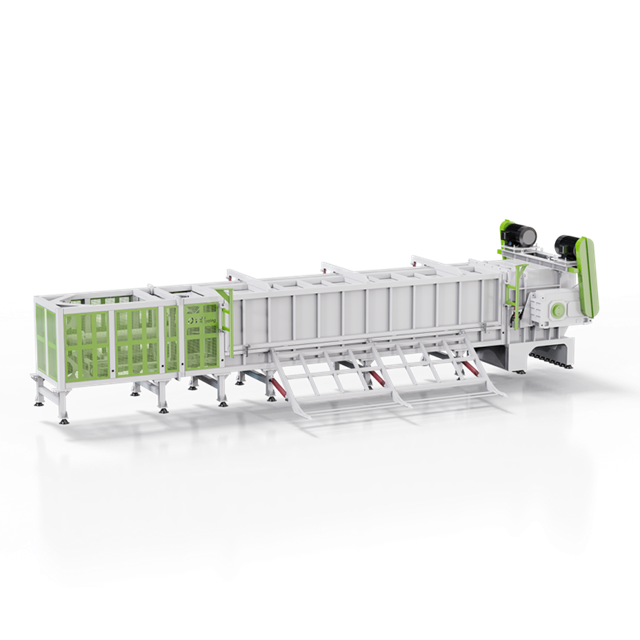
- All
- Product Name
- Product Keyword
- Product Model
- Product Summary
- Product Description
- Multi Field Search
 English

Views: 0 Author: Site Editor Publish Time: 2026-07-06 Origin: Site


You need to match the machine’s features to your production needs. Blade material and structure play a key role in processing different plastics. Factory size affects installation and workflow. Selecting the right plastic crusher machine factory helps you avoid overheating, costly repairs, and downtime. Consider operator usability and post-sale reliability for long-term benefits.
Risk/Benefit | Description |
|---|---|
Overheating | Properly matched motors prevent overheating issues during operation. |
Cost Efficiency | Understanding problems avoids costly repairs and downtime. |
Operator Usability | Good usability ensures safety and protects your workforce. |
Post-sale Reliability | Reliable factories protect your investment. |
Pollution Prevention | High-quality crushers prevent environmental pollution. |
Water Conservation | Recycling plastic uses less water than traditional methods. |
Identify the types of plastics you will process. Each type has unique properties that affect crushing methods.
Choose a plastic crusher with the right blade material and structure for your specific plastic types to ensure efficiency.
Consider the size of your factory space. Select a crusher that fits well and integrates smoothly into your existing workflow.
Evaluate the throughput requirements. Match the machine's capacity to your production needs to avoid bottlenecks.
Look for energy-efficient models. They can save you money on electricity and reduce operational costs over time.
Check for safety features like emergency stops and safety covers. These protect your workers and ensure compliance with regulations.
Prioritize after-sales support. Reliable factories offer technical assistance and spare parts to keep your machine running smoothly.
Calculate the total cost of ownership, including maintenance and energy costs, to ensure your investment is cost-effective.
You need to start by identifying the types of plastics you plan to process. Each plastic has unique characteristics that affect how you should crush it. Common plastics processed in industrial settings include:
Polyethylene (PE): HDPE and LDPE found in bottles, pipes, and films
Polypropylene (PP): Used in automotive parts, containers, and packaging
Polyvinyl Chloride (PVC): Pipes, profiles, and window frames
Polyethylene Terephthalate (PET): Soft drink bottles and packaging trays
Acrylonitrile Butadiene Styrene (ABS): Household appliances and toys
Engineering Plastics: PC, PA, and POM used in industrial parts and tools
Some materials are highly suitable for crushing, such as ABS scraps, HDPE bottles, PP automotive parts, and rigid PVC profiles. Others, like glass-filled plastics or thick PC housings, present moderate challenges. Ultra-thin films, rubber-plastic composites, and plastics with metal inserts can be difficult to process and may require specialized equipment.
The physical properties of each plastic, such as density and chemical resistance, influence your choice of crusher. For example, plastics with low melting points work well with high-speed, low-torque crushers. Tougher, chemical-resistant plastics need heavy-duty, high-torque machines. The right match improves efficiency and extends the life of your equipment.
You must select the correct blade structure and material to handle your chosen plastics. Hard, brittle plastics like ABS and rigid PVC need strong, wear-resistant blades. Flexible or soft plastics, such as LDPE films, require sharper blades and a different cutting angle. The blade material should resist corrosion and maintain sharpness over time. Stainless steel and hardened alloy blades are common choices for durability and performance. Matching blade design to your material types ensures smooth operation and reduces maintenance needs.
Your available space will shape your decision when choosing a crusher. Space limitations can restrict the models you can install. Vertical crushers fit well in facilities with limited floor space, while horizontal crushers need more room but may offer easier maintenance access. You should also consider noise, dust, and how easily you can reach the machine for cleaning or repairs.
Shredders usually require more floor space than crushers with similar throughput. Their larger feed hoppers and heavier construction can make them less suitable for tight spaces. If you have a small plastic crusher machine factory, you need to focus on compact models that still meet your production needs. These smaller machines can fit into limited areas and integrate smoothly into your plastic recycling line.
If you operate a small plastic crusher machine factory, you should look for equipment designed for compact spaces. These machines often feature a smaller footprint, lower noise levels, and easy maintenance access. They can handle moderate throughput while fitting into your existing workflow. Compact crushers are ideal for small-scale operations or as part of a larger plastic recycling line where space is at a premium. Choosing the right size ensures you maximize your available area without sacrificing performance.
You must determine how much material you need to process each hour. Throughput varies widely based on machine size and design. In medium-scale production, small units can handle 100–200 kg per hour, while industrial systems process several tons per hour.
Throughput Range | Description |
|---|---|
100–200 kg/h | Small units for lower production needs |
Several tons per hour | Industrial systems for high capacity |
The required output volume also affects your choice. Larger output volumes need bigger screen apertures to boost throughput and prevent clogging. Smaller output volumes use finer screens, which produce smaller particles but slow down production. You should balance your needs for particle size and processing speed to select the right machine.
The size of the feed opening determines the maximum size of plastic pieces you can process. A larger feed opening allows you to crush bigger items without pre-cutting, saving time and labor. You should match the feed opening to your typical material size and your production needs. This step ensures efficient operation and reduces the risk of jams or downtime.
You need to consider how the crusher will fit into your existing workflow. The machine should connect smoothly with other equipment in your plastic recycling line. Proper integration reduces manual handling, speeds up processing, and improves overall efficiency. When you assess your needs, think about how the crusher will work with conveyors, sorters, and storage systems. This approach helps you create a seamless production process that supports your goals.
You need to make sure your plastic crusher machine fits smoothly into your current production line. Good integration helps you avoid bottlenecks and keeps your operation running efficiently. Start by looking at the types of plastic you process. Some machines work better with soft films, while others handle rigid plastics. You should always check that your chosen crusher matches your material type.
Next, think about the cleanliness of your scrap material. Clean plastic scrap moves through the crusher more easily and reduces wear on the blades. If your material has dirt or metal pieces, you may need extra features like pre-sorting or metal detection. This step protects your machine and keeps your workflow steady.
You must also match the machine’s capacity to your production volume. If your crusher cannot keep up with the amount of scrap you generate, you will see backups and delays. Choose a machine that handles your required throughput so your line stays balanced.
Space is another key factor. Measure your available area and plan where the crusher will go. Make sure you can access the machine for cleaning and maintenance. You should also consider how the crusher connects to other equipment, such as conveyors or storage bins.
Tip: Draw a simple layout of your production area. Mark where each machine sits and trace the path of materials. This visual plan helps you spot any problems before installation.
Here are the main points to check for smooth workflow integration:
Match the crusher to your plastic type (soft film or rigid plastic).
Check the cleanliness of your scrap and add sorting if needed.
Choose a machine with the right capacity for your production volume.
Plan the footprint and make sure the crusher fits your space.
Connect the crusher to conveyors, sorters, and storage for easy material flow.
When you follow these steps, you create a production line that works efficiently and safely. You reduce downtime and make the most of your investment in a plastic crusher machine.
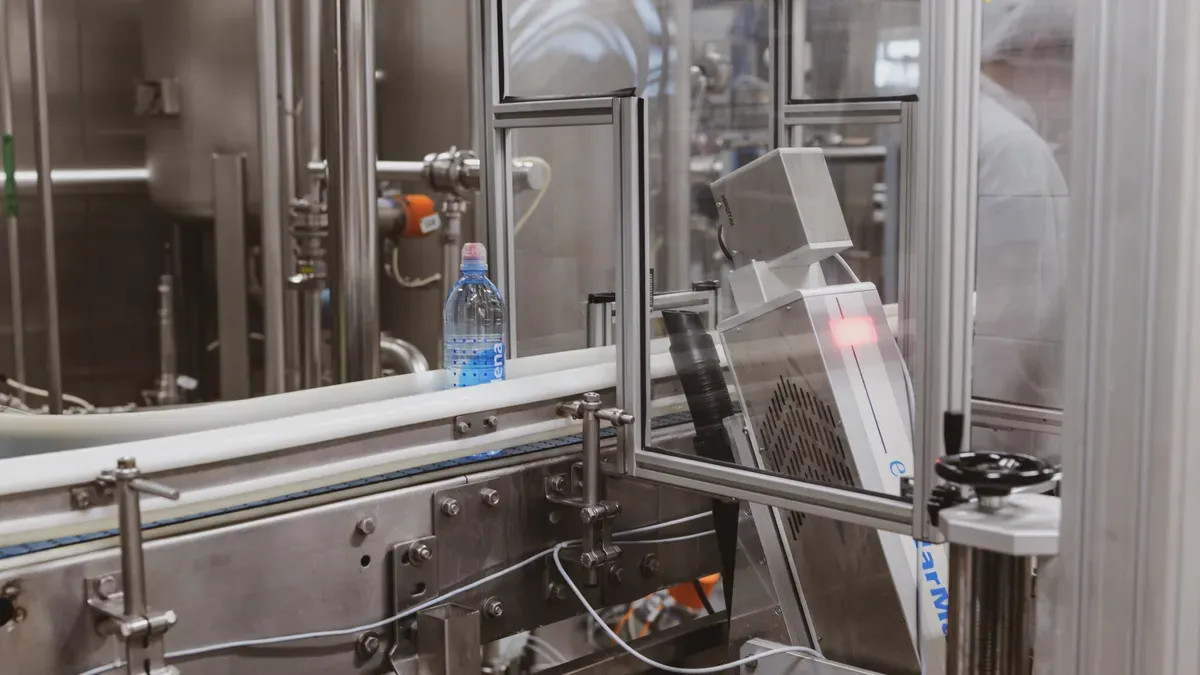
You need to look at the processing capacity of each plastic crusher machine before making a decision. This capacity tells you how much plastic you can process in a set amount of time. If you run a busy production line, you want a machine that matches your output needs. The right machine will help you avoid bottlenecks and keep your workflow smooth.
The industry uses two main benchmarks to measure performance: throughput rate and specific energy consumption. Throughput rate shows how much plastic you process per hour. Specific energy consumption tells you how much power you use for each kilogram of plastic. You can see these benchmarks in the table below:
Metric | Description |
|---|---|
Throughput Rate | Total plastic processed (kg) / Processing time (h) |
Specific Energy Consumption | Power input (kWh) / Plastic processed (kg) |
You should also consider your particle size requirements. If you need small, uniform pieces, you may need a machine with a fine screen. This can slow down output, so balance your needs for size and speed. Many plastic shredder models let you adjust the screen size to match your needs.
Energy efficiency is a key feature in modern plastic shredder machines. You want a machine that gives you high output without wasting electricity. Higher motor power can increase energy use, but some machines use smart features to lower consumption. For example, some optimized systems use only 8–12 kWh per ton of material. Standard units may use 15–20 kWh for the same amount. Choosing an energy-efficient plastic shredder can save you money over time. The initial investment in a more efficient model often pays off with lower energy bills.
You should check the energy rating and compare models before you buy. Look for machines that offer both high performance and low energy use. This approach helps you meet your production goals and control costs.
Safety and compliance are important features in any plastic shredder. You must make sure your machine meets local and international standards. These standards protect your workers and your investment. The main safety standards include:
CE (Conformité Européenne) – Required in the European Union for machinery safety and environmental impact.
ISO 12100 – Sets rules for risk assessment in machine design.
ISO 14001 – Focuses on environmental management systems.
You may also need to follow local rules, such as OSHA in the United States or CCC in China. The table below lists some common standards:
Standard | Description |
|---|---|
OSHA | Sets safety rules for workplaces in the U.S., including machine guarding and lockout/tagout. |
CE | Shows compliance with EU safety and environmental rules. |
ISO 9001 | Ensures quality management and effective processes. |
UL | Focuses on electrical and fire safety in North America. |
CCC | Certification for safety in China. |
PSE | Safety certification in Japan. |
NR-12 | Machine safety rules in Brazil. |
You should always check for these certifications before buying a plastic shredder. Machines with these labels show a commitment to safety and quality. Some models also include smart features like emergency stops, safety covers, and automatic shut-off. These features protect your team and help you meet legal requirements.
Tip: Always train your staff on safe operation and maintenance. Regular checks keep your machine running safely and at top performance.
When you focus on capacity, energy efficiency, and safety, you choose a plastic shredder that supports your output goals and keeps your workplace safe.
You need to keep your plastic crusher machine in top condition to ensure safe and efficient operation. Regular maintenance and cleaning help you avoid unexpected breakdowns and extend the life of your equipment. When you follow a clear routine, you reduce downtime and keep your production line running smoothly.
You should start each day with a simple checklist. Before you turn on the machine, check all fasteners to make sure nothing is loose. Open the crushing chamber and look for any leftover material or foreign objects. Test all safety devices to confirm they work properly. These steps help you catch small problems before they become big issues.
During operation, pay attention to the sounds your machine makes. Unusual noises can signal loose parts or worn blades. Use your sense of smell to detect overheating or burning odors. Watch for vibrations that might mean something is out of balance. If you notice anything strange, stop the machine and investigate right away.
After you finish your shift, clean the machine thoroughly. Remove all plastic scraps from the chamber and screen. Wipe down the machine body to prevent dust buildup. This daily cleaning keeps your crusher working efficiently and prevents contamination of your next batch.
You also need to perform regular maintenance on a weekly or monthly basis. Here is a simple schedule you can follow:
Daily Maintenance
Check all fasteners, the crushing chamber, and safety devices before starting.
Listen for odd sounds, smell for overheating, and observe for vibrations during operation.
Clean the chamber, screen, and machine body after shutdown.
Periodic Maintenance
Inspect and sharpen blades every week. Dull blades can lower output and cause overheating.
Lubricate bearings and transmission systems as your equipment manual suggests.
Check the electrical system for tight connections and remove any dust.
Tip: Keep a maintenance log. Write down each check, cleaning, and repair. This record helps you spot patterns and plan for future service.
You should always use the right tools and cleaning agents for your machine. Avoid water near electrical parts. Use brushes or compressed air to clean hard-to-reach areas. Replace worn parts with genuine components to maintain safety and performance.
A well-maintained plastic crusher machine saves you money and time. You will see fewer breakdowns, lower repair costs, and better product quality. When you make maintenance and cleaning a habit, you protect your investment and support a safe workplace.
You can use an inclined plastic crusher when you need to process lightweight plastic waste, such as thin films, small bottles, and injection-molded runners. The inclined design helps gravity feed the plastic waste into the cutting chamber. This feature reduces the chance of material bouncing back and improves feeding efficiency. You will find this type of plastic shredder machine works well in recycling lines where you handle a mix of soft and rigid plastics.
Inclined plastic crushers often have a compact footprint. You can fit them into small spaces or use them as a secondary step after a larger plastic waste shredder. The slanted chamber also makes cleaning and maintenance easier. If you want to reduce labor and keep your line running smoothly, this crusher type offers a practical solution.
You should choose a blade structure crusher when you need to process tough or thick plastic waste. These machines use different blade shapes and arrangements to cut through hard materials. You can select from staggered blades, V-shaped blades, or flat blades, depending on your plastic waste type. For example, staggered blades work well for hollow items like bottles, while flat blades handle sheets and thick lumps.
Blade structure crushers give you control over output size. You can adjust the screen or blade gap to produce larger flakes or finer granules. This flexibility helps you match your output to downstream processes, such as washing or pelletizing. You will also notice that a well-designed blade structure reduces energy use and extends blade life. Regular blade checks and sharpening keep your plastic shredder machine working at its best.
A single-shaft plastic waste shredder gives you a strong and reliable option for medium-to-high volume recycling. This machine uses a single rotating shaft with cutting knives to shred plastic waste into uniform pieces. You can process items like PET bottles, drums, pipes, and film rolls. The single-shaft design handles both rigid and flexible plastics with moderate noise levels.
You can see how a single-shaft plastic waste shredder compares to other types for PET bottle processing in the table below:
Type of Crusher | Output Size | Throughput | Best Use Case | Noise Level |
|---|---|---|---|---|
Single-Shaft Shredder | 10–30mm | 200 kg/h – 3,000 kg/h | Medium-to-high volume PET bottle recycling lines | Moderate |
Double-Shaft Shredder | 50–150mm | 500 kg/h – 10,000 kg/h | Processing baled or bulk PET as a primary stage | Low-to-moderate |
Granulator | 5–15mm | 50 kg/h – 800 kg/h | Production scrap recovery, small-volume PET waste | High |
Hammer Mill Crusher | 2–10mm | 200 kg/h – 2,000 kg/h | PET powder production, not standard flake recycling | Very high |
Wet Crusher | 10–20mm | 500 kg/h – 5,000 kg/h | Food-grade rPET recycling, integrated washing lines | Low |
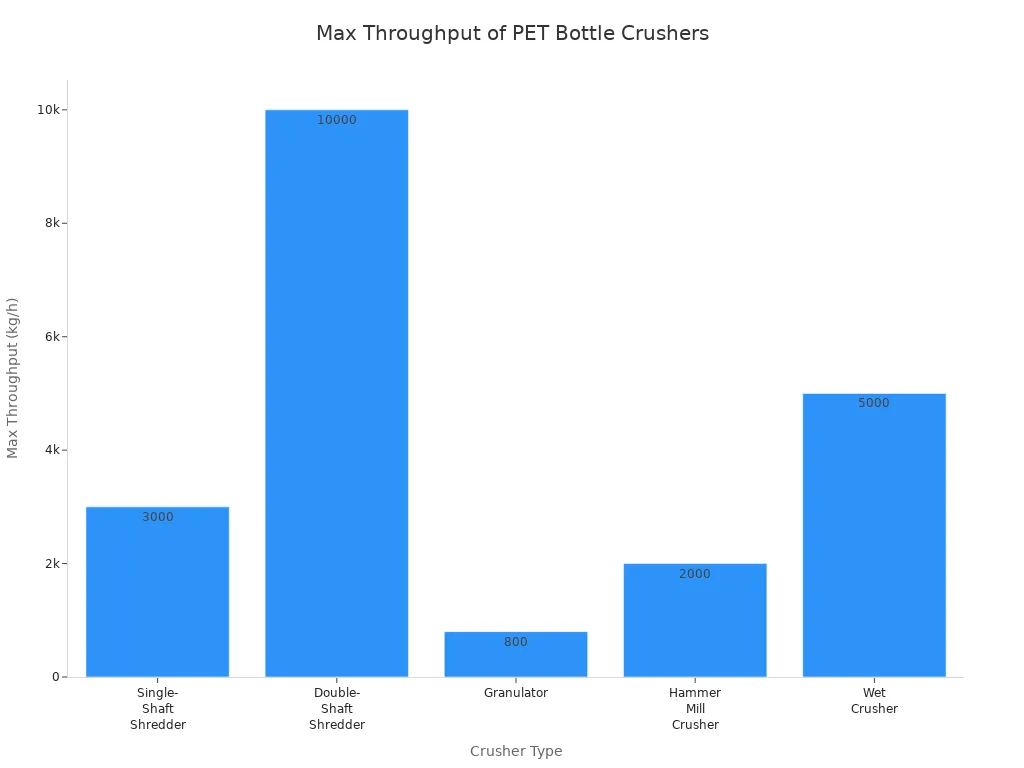
You can use a single-shaft plastic waste shredder for most plastic waste streams. This machine works well as a primary or secondary shredder for plastic waste. You will find it easy to maintain and safe to operate. If you need a shredder for plastic waste that balances throughput, output size, and energy use, the single-shaft design is a smart choice.
Tip: Always match your plastic waste shredder to your material type and production scale. This step ensures you get the best performance and lowest operating cost.
You can rely on a twin-shaft plastic waste shredder when you need to process large volumes of tough materials. This machine uses two parallel shafts with interlocking blades. The design allows you to shred bulky items, mixed plastics, and even materials with metal inserts. You do not need to pre-select or pre-sort your waste. The shredder handles everything from rigid containers to pipes, drums, and packaging films.
Twin-shaft shredders work well in industrial recycling plants. You can use them for pre-shredding before further processing or as the main step in breaking down complex waste streams. The robust structure resists heavy loads and reduces maintenance needs. You will notice that the machine keeps working even with challenging materials.
Here is a table showing the main advantages of using a twin-shaft plastic waste shredder in industrial applications:
Advantage | Description |
|---|---|
Robust Design | The machine is resistant and reduces maintenance costs significantly. |
High Throughput Rate | Capable of shredding large quantities of material quickly, ideal for high-volume needs. |
Flexibility | Can shred different types of materials without pre-selection, minimizing downtime. |
Low Dust Formation | Helps maintain a cleaner working environment and reduces health risks. |
Energy Efficiency | Keeps operating costs low and is environmentally friendly. |
Cost-Efficient Solution | Provides a reliable option for effective pre-shredding of materials. |
You gain flexibility with this shredder. You can feed mixed plastic waste, contaminated items, or even products with metal parts. The blades cut and tear the material into manageable pieces. You do not need to worry about frequent jams or blockages. The machine’s design keeps dust levels low, which helps protect your workers and keeps your facility clean.
Twin-shaft plastic waste shredders offer high throughput rates. You can process several tons of material per hour. This feature makes them ideal for factories with high-volume production needs. You save time and reduce labor costs because the machine works quickly and efficiently.
Energy efficiency is another benefit. The shredder uses optimized motors and blade arrangements. You keep your operating costs low and support environmental goals. You also reduce the need for frequent maintenance. The robust design means fewer breakdowns and less downtime.
Tip: If you want to improve your recycling line, consider placing a twin-shaft plastic waste shredder at the start of your process. You can handle mixed and bulky waste with ease and prepare materials for further sorting or granulation.
You should choose a twin-shaft plastic waste shredder when you need reliability, speed, and flexibility. This machine suits factories that process a wide range of plastics and other materials. You can trust it to deliver consistent results and support your production goals.
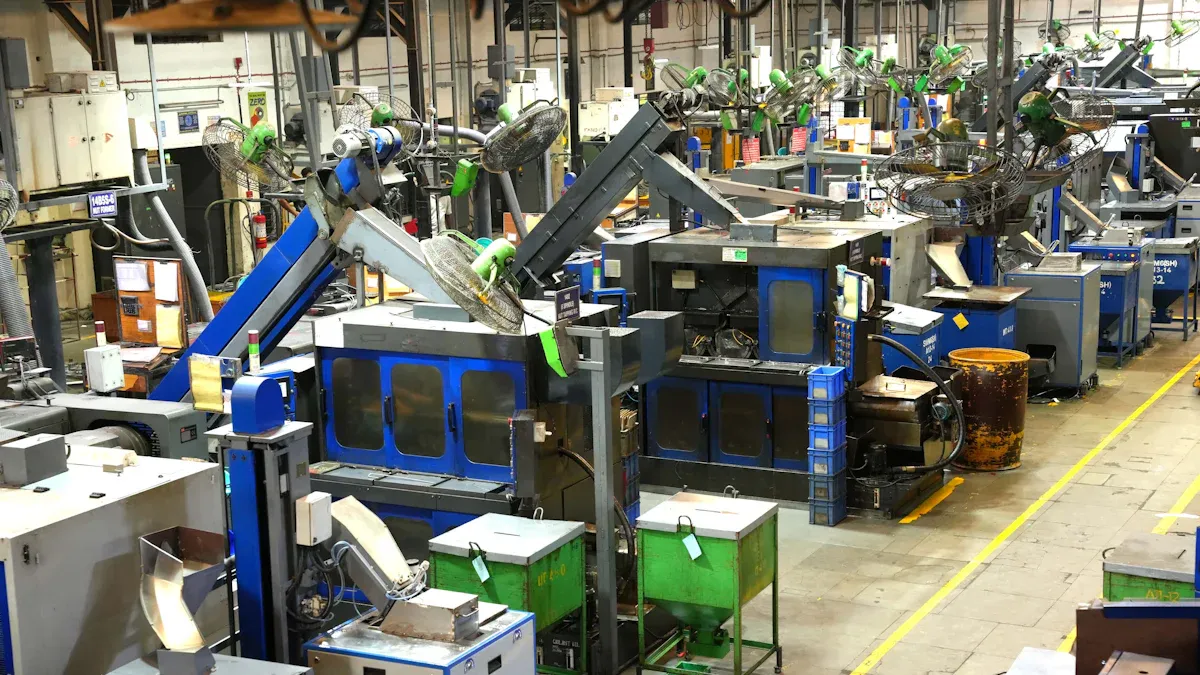
When you evaluate a plastic crusher machine factory, you need to look at its technical expertise. A strong factory uses advanced material technology to make machines last longer and work better. For example, some factories use dual-metal composites or nitrided screws and blades. These materials help the crusher resist wear and extend its lifespan. You should also check if the factory offers automation and smart features. Machines with energy monitoring and overload protection can lower your maintenance costs and keep your production line running smoothly.
Here is a table that shows what to look for in a factory’s technical capabilities:
Qualification/Expertise | Description |
|---|---|
Material Technology | Use of dual-metal composites or nitrided screws and blades for enhanced durability and lifespan. |
Automation and Smart Features | Equipment with energy monitoring and overload protection can significantly lower maintenance costs. |
Certification | Manufacturers should have ISO9001 certification and patented technologies for quality assurance. |
A reliable crusher manufacturer invests in research and development. You should ask about their experience with different plastics and their ability to solve technical problems. A factory with strong technical expertise can help you choose the right plastic crusher for your needs and provide support when you face challenges.
Tip: Visit the factory if you can. Seeing their machines and talking to their engineers gives you a better idea of their technical skills.
Certifications and standards show you that a plastic crusher machine factory cares about quality and safety. You should always check if the factory has ISO9001 certification. This certification means the factory follows strict rules for making and testing machines. It also shows that the factory works to improve its products and services.
Look for factories that have patented technologies. Patents show that the factory creates new solutions and protects its inventions. You should also check if the machines meet local and international safety standards. These standards help protect your workers and your investment.
A good crusher manufacturer will show you their certificates and explain how they meet safety and quality rules. You can ask for copies of these documents before you buy. This step helps you avoid problems with faulty machines or unsafe equipment.
Note: Always ask the supplier for up-to-date certificates. Outdated or missing documents can be a warning sign.
Innovation and customization set the best plastic crusher machine factory apart from the rest. You want a factory that uses the latest technology and can adapt machines to your needs. Dyun stands out as a leader in this area. Dyun integrates smart features into its machines, making them easier to use and more efficient. You can find crushers with user-friendly interfaces and remote monitoring. These features help you control your production line and spot problems early.
Dyun also offers tailored solutions. The factory can customize pelletizing lines to match your production needs and the types of plastic you process. You get machines that fit your workflow and help you reach your goals faster. Dyun uses energy-saving motors and heat recovery systems. These features lower your operational costs and reduce your impact on the environment.
Here is a table that highlights Dyun’s innovation and customization features:
Feature | Description |
|---|---|
Advanced Technology | Integration of smart features into machinery for enhanced functionality. |
Tailored Solutions | Customization of pelletizing lines to meet specific production needs and material types. |
User-Friendly Interfaces | Machines designed for ease of operation with remote monitoring capabilities. |
Energy Efficiency | Use of energy-saving motors and heat recovery systems to reduce operational costs and environmental impact. |
Automation | Features include remote operation and real-time parameter adjustments for process optimization. |
You should choose a plastic crusher machine factory that keeps up with new technology and listens to your needs. Dyun’s focus on innovation and customization helps you stay ahead in a competitive market. When you work with a supplier like Dyun, you get machines that grow with your business and support your long-term success.
Tip: Ask the crusher manufacturer about recent upgrades or custom projects. Their answers show how well they can meet your unique requirements.
You want a plastic crusher machine factory you can trust. Dyun has built a strong reputation in the industry. Many factories choose Dyun because the machines work efficiently and last a long time. You will notice that Dyun focuses on safety. Each machine includes safety covers, emergency stops, and clear instructions. These features protect your workers and help you meet safety rules.
Dyun also makes maintenance easy. You can access key parts quickly. This design saves you time when you need to clean or replace blades. You do not have to stop your production line for long periods. Dyun machines use less energy than many other brands. Lower energy use means you save money and help the environment.
You can find more about Dyun’s products and company values on their website. Dyun belongs to the Jwell Group, which has a long history in the recycling industry. The company offers many types of plastic recycling machines, including crushers, shredders, and pelletizing lines. Dyun’s team works with you to find the right solution for your needs. They listen to your requirements and suggest machines that fit your space and budget.
Here are some reasons why Dyun stands out as a top choice:
High machine efficiency helps you reach your production goals.
Safety features protect your team and your investment.
Easy maintenance keeps your line running with less downtime.
Low energy consumption reduces your costs and supports green production.
Strong customer support helps you solve problems quickly.
Note: Dyun’s reputation comes from years of experience and a focus on customer satisfaction. You can rely on their machines to deliver consistent results.
When you select Dyun as your plastic crusher machine factory, you choose a partner that values quality, safety, and service. You get machines that work well and a team that supports you every step of the way.
When you select a plastic crusher machine, you should look beyond the initial purchase price. The total cost of ownership includes many factors that affect your budget over time. You pay for the machine upfront, but you also need to consider installation, energy, maintenance, and downtime. These costs add up and can surprise you if you do not plan ahead.
The table below shows how each cost component contributes to your expenses over five years:
Cost Component | Percentage of Total Cost Over 5 Years |
|---|---|
Initial Purchase Price | 40% |
Installation Costs | < 50% |
Energy Consumption | 35-60% |
Maintenance and Parts | Significant Fraction |
Downtime Costs | Critical Financial Risk |
You can see that the purchase price is only part of the equation. Energy and maintenance can make up a large share of your total expenses. Downtime can also create a critical financial risk. To achieve true cost-effectiveness, you must evaluate all these factors before making a decision.
Energy and maintenance expenses play a big role in your long-term costs. If you run a 50 HP crusher for 8 hours each day, you may spend about $14,400 per year on electricity. Larger machines, such as 100 HP systems, can double that amount. Choosing energy-efficient models can reduce your energy use by 15-25%, which leads to real savings.
Maintenance costs include several items:
Blade replacement is a major expense. Standard blades need changing every 2-4 months and cost $500-$1,500 per set. Premium blades last longer but cost more upfront.
Bearings may need replacement every 1-3 years, costing $1,000-$5,000.
Annual preventive maintenance usually costs $1,000-$3,000.
If you invest in higher-quality parts, you may pay more at first but save money over time. Regular maintenance helps you avoid bigger problems and keeps your machine running smoothly.
Unexpected downtime can hurt your production and increase your costs. When a machine fails, you lose valuable time and may face expensive repairs. You can reduce these risks by using predictive maintenance strategies. These systems monitor your machine’s health and alert you before a breakdown happens.
Keeping spare parts on hand also helps you minimize downtime. If you have extra blades, bearings, and other key parts, you can fix problems quickly and get back to work. By focusing on continuous process optimization, you can increase your output, reduce cycle times, and keep downtime low. This approach supports your cost-effectiveness and helps you get the most from your investment.
Tip: Track your maintenance and downtime data. This information helps you spot trends and plan for future expenses.
You need to know if your investment in a plastic crusher machine will pay off. Calculating your return on investment (ROI) helps you see the real value of your purchase. ROI shows how much profit you make compared to what you spend on the machine. This step is important for cost-effectiveness and smart business planning.
Start by tracking your monthly gross profit. You can use a simple formula to find this number. First, multiply the amount of pellets you sell each month (in kilograms) by the price you get for each kilogram. Then, subtract your raw material cost and all operational costs, such as energy, labor, and maintenance. The result is your monthly gross profit.
Here is a table that shows the standard formulas you can use:
Component | Formula |
|---|---|
Monthly Gross Profit | (Pellets Sold in kg/month × Price per kg) - (Raw Material Cost + Operational Costs) |
Simple ROI | Monthly Gross Profit / Initial Machine Investment |
You can use these formulas to check if your plastic crusher machine gives you a good return. For example, if you sell 5,000 kg of pellets each month at $0.50 per kg, your sales total $2,500. If your raw material and operational costs add up to $1,500, your monthly gross profit is $1,000. If you spent $12,000 on the machine, your simple ROI for the first month is $1,000 divided by $12,000, or about 8.3%. Over time, your ROI will grow as you keep making profits.
Tip: Track your ROI every month. This habit helps you spot trends and make better decisions about upgrades or new equipment.
You should also look at how long it takes to recover your investment. This period is called the payback period. Divide your initial machine cost by your average monthly gross profit. If your machine cost $12,000 and you make $1,000 per month, your payback period is 12 months. After that, your machine starts to generate pure profit.
ROI calculation is not just about numbers. You need to consider other factors, such as machine reliability, downtime, and spare parts availability. A reliable machine from a trusted factory, like Dyun, can help you reach your cost-effectiveness goals faster. Fewer breakdowns mean more production and higher profits.
You should always include all costs in your calculation. Do not forget energy, maintenance, and labor. This approach gives you a clear picture of your real profit. When you use ROI calculation, you make smarter choices and protect your investment.
Note: ROI is a key tool for measuring success. Use it to compare different machines and choose the best option for your factory.
You gain valuable information when you visit a plastic crusher machine factory in person. A site visit lets you see the production process and check the quality of the machines. You can observe how the factory manages its workflow and handles quality control. Audits help you verify that the factory follows industry standards and safety rules. You can ask questions about maintenance routines and see how the staff responds. This step gives you confidence in the factory’s ability to provide reliable machines and ongoing support.
Tip: Bring a checklist during your visit. Mark off items like cleanliness, organization, and staff knowledge. This approach helps you compare different factories and make a smart choice.
You can use customer references to assess the reliability of a plastic crusher machine factory. These references show you how other clients feel about the factory’s products and services. When you read feedback from past customers, you learn about the manufacturer’s quality and level of support. Positive reviews often highlight strong customer support and effective after-sales support. You also see if the factory meets industry standards and solves problems quickly.
Customer references provide insights into the reliability of a factory by reflecting the experiences of previous clients.
They can showcase the manufacturer's quality, customer support, and after-sales services.
Positive feedback from past customers can indicate a manufacturer's ability to meet industry standards and provide effective solutions.
You should ask the factory for a list of customer references. Contact these customers and ask about their experience with the machines and the support they received. This step helps you avoid surprises and choose a factory that stands behind its products.
You need strong after-sales support to keep your production line running smoothly. Reliable factories offer a range of services that help you solve problems and maintain your equipment. The most valued after-sales services include technical support, installation assistance, and spare parts availability. These services ensure you get help when you need it and keep your machines working at their best.
After-Sales Service | Description |
|---|---|
Technical Support | Assistance with machine operation and troubleshooting |
Installation Assistance | Help with setting up the machine for use |
Spare Parts Availability | Access to replacement parts for maintenance |
Technical support gives you answers when you face issues with machine operation. Installation assistance helps you set up your crusher correctly and avoid mistakes. Spare parts availability ensures you can replace worn components quickly and reduce downtime. You should check if the factory offers these services and how fast they respond to requests. Reliable after-sales support protects your investment and keeps your production on track.
Note: Choose a factory that provides clear instructions and fast support. This approach helps you solve problems quickly and maintain high productivity.
You need strong support channels when you buy a plastic crusher machine. Good support helps you solve problems quickly and keeps your production line running. You should look for a factory that offers many ways to get help. These channels make it easy for you to reach experts and get answers.
A reliable factory gives you access to top-class engineers. These engineers know the machines inside and out. They can help you fix technical issues and answer your questions. You should also expect clear and detailed product specifications. This information helps you understand your machine and make smart decisions. When you know the details, you can use your crusher more effectively.
You should have more than one way to contact the factory. Some factories offer phone support, email, and online chat. Others provide video calls or remote troubleshooting. These options let you choose the best way to get help. Fast and accurate communication is important. You want to express your needs clearly and get the right advice.
Here is a table that shows the main support channels you should expect:
Support Channel | What You Get |
|---|---|
Phone Support | Speak directly with engineers for urgent issues |
Email Assistance | Send detailed questions and receive written instructions |
Online Chat | Get quick answers to simple questions |
Video Call/Remote Help | Show problems live and get step-by-step guidance |
Product Documentation | Access detailed specs and manuals for self-service |
You should use the channel that fits your problem. For example, use phone support for emergencies. Use email when you need detailed instructions. Online chat works well for fast questions. Video calls help when you need to show a problem in real time. Product documentation lets you find answers on your own.
Tip: Keep a record of your support requests. This habit helps you track solutions and share information with your team.
A good factory will respond quickly and give you clear answers. You should feel confident that help is always available. When you have strong support channels, you can keep your plastic crusher machine working at its best. This support protects your investment and helps your business grow.
You need to check if your new plastic crusher machine will work with your current equipment. Start by reviewing the technical specifications of your machines. Look at the size of the feed openings, the height of conveyors, and the speed of your production line. Make sure the new crusher matches these features. This step helps you avoid jams and keeps your workflow smooth.
You should also consider the control systems. Some factories use smart controls that connect with other machines. If your line uses these systems, choose a crusher that supports the same technology. This choice lets you monitor and adjust your machines from one place. You save time and reduce mistakes.
Noise and dust control are important too. Check if your new crusher has features that match your factory’s safety and cleanliness standards. Good compatibility means less downtime and better performance.
Proper installation and training help you get the most from your plastic crusher machine. Many factories, including Dyun, send engineers to your site for technical commissioning. These experts set up the machine and make sure everything works as it should. You can see the main training programs in the table below:
Training Program | Description |
|---|---|
On-Site Technical Commissioning | Engineers are dispatched to assist with complex installations, ensuring proper setup and alignment. |
Practical Operator Training | Local workers are trained to operate machinery safely and effectively, reducing human error risks. |
Real-Load Trial Run | A trial run is conducted using local materials to ensure the system meets specified performance standards. |
You should take part in these training sessions. Learn how to operate the machine and handle common problems. This knowledge keeps your team safe and reduces the risk of errors. After installation, run a trial with your own materials. This test shows if the crusher meets your needs.
Tip: Keep a training log for your team. Update it when new workers join or when you upgrade your equipment.
You can improve your production line by upgrading your plastic crusher machine and using smart process optimization strategies. Start by checking the blade clearance. Keep the distance between blades at 1 to 3 millimeters. This setting gives you better shredding and saves energy.
Analyze the types of plastic you process. Adjust the machine’s settings to match the material. Use a variable frequency drive (VFD) to change the motor speed. This feature lets you handle different plastics and save power. Clean your crusher often and keep the blades sharp. Regular maintenance keeps your machine running well.
Here are some top strategies for process optimization:
Maintain the right blade clearance for efficient shredding.
Study your plastic materials and adjust machine settings.
Use a VFD to control motor speed and reduce energy use.
Clean and maintain your crusher on a regular schedule.
You can ask Dyun for advice on upgrades and process improvements. Their team can help you choose the right features and keep your line running at its best.
You can select the best plastic crusher machine factory by following each step in this guide. Start with your production needs. Match machine features to your materials and workflow. Check factory reliability and support. Review cost-effectiveness and ROI.
Use these steps to make a smart choice. A strong partnership with a trusted brand like Dyun will help your business grow.
You can process many plastics, including PET, HDPE, PP, PVC, ABS, and engineering plastics. Dyun machines handle both rigid and flexible materials.
You should match blade material to your plastic type. Stainless steel works well for most plastics. Hardened alloy blades last longer with tough or abrasive materials.
You should check fasteners and clean the chamber daily. Sharpen blades weekly. Lubricate bearings and inspect electrical parts monthly. Keep a maintenance log for best results.
Energy-efficient machines use less electricity. You save money each month. Dyun crushers feature optimized motors that lower your energy bills and support green production.
Yes. Dyun crushers offer compatibility with conveyors, sorters, and storage bins. You can connect them easily to your current workflow for smooth operation.
You should look for emergency stops, safety covers, and automatic shut-off. Dyun machines include these features to protect your team and meet safety standards.
You can use this formula:Monthly Gross Profit / Initial Machine Investment
Track your profits and costs to see how quickly your machine pays for itself.
You can visit the Dyun website at https://www.jwell-recycling.com/ for product details, specifications, and support.