- All
- Product Name
- Product Keyword
- Product Model
- Product Summary
- Product Description
- Multi Field Search
 English

Views: 0 Author: Site Editor Publish Time: 2026-07-10 Origin: Site


You need to match your equipment to your business goals, especially in recycling operations. If you choose the wrong plastic crusher machine manufacturer, you risk facing production delays and higher maintenance costs. Equipment with mismatched specifications can damage sensitive materials and disrupt your workflow. Manufacturers that ignore safety standards put your team at risk and may cause costly accidents. Focus on clear criteria so you can make a confident, informed decision.
Define your plastic crusher needs by identifying the types of materials and daily processing capacity required for your business.
Evaluate the machine's blade quality and motor power to ensure they match the toughness of the plastics you will process.
Consider the size and layout of your facility to choose a machine that fits well and supports efficient workflow.
Research the manufacturer's experience and reputation to ensure they provide reliable equipment and support.
Check for necessary certifications and compliance standards to protect your business from legal risks and ensure safety.
Focus on long-term value rather than just the purchase price; consider maintenance costs and energy efficiency.
Ensure strong after-sales support, including access to spare parts and training, to keep your operation running smoothly.
Request test runs or demonstrations to see how the machine performs with your materials before making a final decision.
Choosing the right equipment starts with a clear understanding of your business requirements. You should match the machine type to the materials you process and the volume you handle. This step helps you avoid costly mistakes and ensures smooth operations.
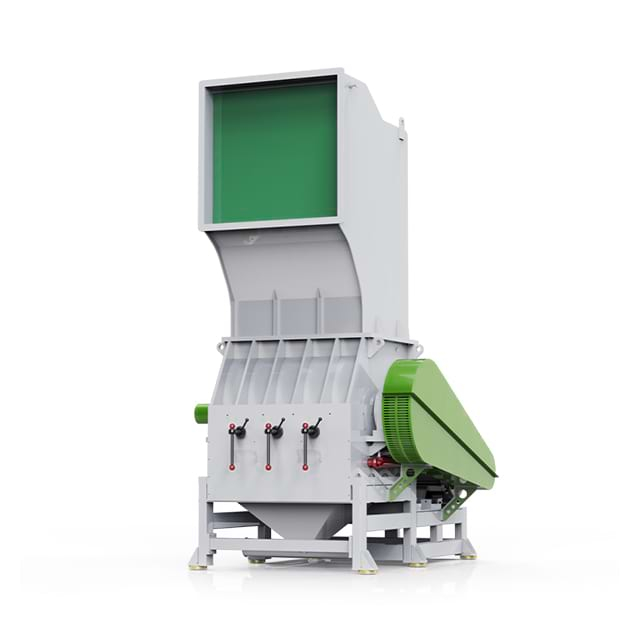
Not all plastics are the same. You need to identify the types of materials you plan to process. Hard plastics like ABS or PVC require heavy-duty machines with strong rotors. Soft films and flexible plastics need a different approach. For example, open-rotor designs in a plastic shredder prevent soft materials from melting during processing. If you handle mixed or contaminated plastics, you may need a machine that can adapt to various shapes and sizes.
Tip: List all plastic grades, contamination levels, and shapes you expect to process. This helps you choose a machine that fits your needs.
You must calculate how much material you want to process each day. Small operations may only need a machine with a throughput of 100 kg/h. Large factories often require much higher capacities. Always check the machine’s rated capacity and compare it to your peak workload. This ensures you do not overload your equipment or slow down your recycling line.
Evaluate your daily and peak production needs.
Check the machine’s throughput in kilograms per hour.
Compare efficiency metrics with industry standards.
Consider energy consumption for cost savings.
Your facility size plays a big role in your decision. Smaller spaces benefit from compact or entry-level machines. These models fit into tight areas and help you save on costs. Larger facilities can use mid-range or heavy-duty machines that offer more features and higher capacity.
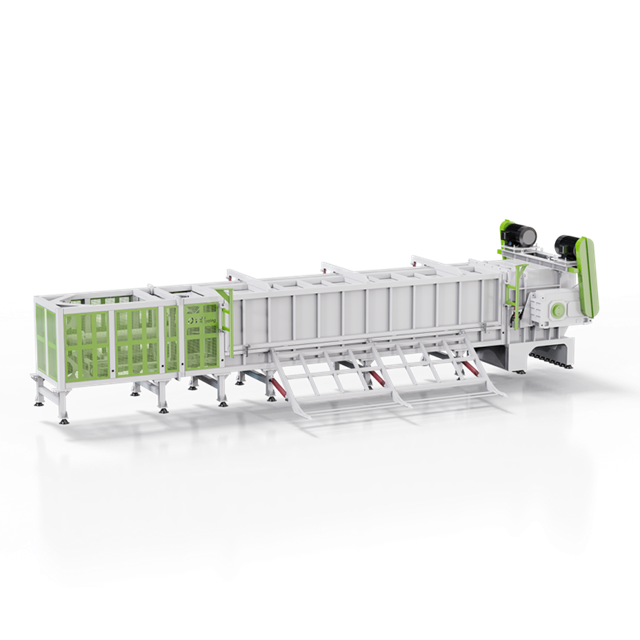
A good layout improves workflow and reduces downtime. You should plan the placement of your plastic shredder and related equipment to keep material moving smoothly.
Improve material flow to prevent bottlenecks.
Arrange conveyors in a logical sequence.
Match conveyor speed to the machine’s capacity.
Make small adjustments to reduce jams and pileups.
Note: Always check your available floor space and power supply before making a final choice.
By carefully defining your needs, you set the foundation for a successful investment in a plastic crusher or plastic shredder. This step ensures your equipment matches your business goals and supports efficient recycling.
When you choose a plastic crusher, you need to focus on three main features: blade quality, motor power, and machine output. These factors determine how well your equipment performs and how much value it brings to your recycling operation.
The blades are the heart of any plastic crusher. High-quality blades cut through tough materials and last longer, which means less downtime and lower maintenance costs for you. You should compare blade materials before making a decision.
Property | Stainless Steel | Tungsten Carbide | Carbon Steel |
|---|---|---|---|
Hardness | High | Very High | Moderate |
Toughness | Good | Excellent | Fair |
Wear Resistance | High | Very High | Low |
Maintenance Frequency | Low | Low | High |
Longevity | Long | Very Long | Short |
Blades made from stainless steel and tungsten carbide resist abrasion and corrosion. Tungsten carbide blades can last up to five times longer than carbon steel. If you use carbon or alloy steel blades, you will need to sharpen them more often, which increases your maintenance costs. Industry standards show that alloy tool steel and tungsten carbide offer the best long-term value, even if the initial cost is higher.
Hardened alloy steel blades provide a balance of strength and durability. They handle medium-duty tasks well and require less frequent sharpening than carbon steel. You should look for machines that use these blades if you want reliable performance and lower long-term costs.
The motor powers the cutting action. You need to match the motor’s strength to the toughness of the materials you process. If you crush hard plastics, a stronger motor prevents jams and reduces wear on the machine.
Align motor power with material toughness for efficient operation.
Typical motor power ranges from 5 HP for small machines to over 100 HP for industrial models.
Choosing the right motor size helps you avoid energy waste and keeps your operation running smoothly.
If you process thick or rigid plastics, select a machine with a higher horsepower motor. This ensures the crusher does not stall or overheat during heavy use.
You should evaluate the crushing effect by looking at output rate and particle size consistency. These metrics show how well the machine meets your production needs.
Metric | Description |
|---|---|
Throughput Capacity | Amount of plastic processed per hour, reflecting production efficiency. |
Motor Power | Energy required for operation, impacting efficiency and output quality. |
Processing capacity and energy use are important. Energy efficiency affects your operating costs over time. Knowing how much energy the machine uses per kilogram processed helps you plan for the future.
A high output rate means you can process more material in less time. This boosts your productivity and supports your recycling goals.
Consistent particle size is key for smooth downstream processing. Leading plastic crusher models achieve over 90% consistency. Regular maintenance, such as blade sharpening and screen replacement, keeps particle size uniform and prevents blockages.
Tip: Request a live demonstration from the manufacturer. This lets you see the machine’s performance and output quality before you buy.
By focusing on these key features, you can select a plastic crusher that delivers reliable, efficient, and cost-effective results for your business.
Selecting the right plastic crusher machine manufacturer is a critical step for your business. You want a partner who understands your needs and delivers reliable equipment. This section will help you evaluate manufacturers based on experience, certifications, and brand reputation.
You should always check the experience of any plastic crusher machine manufacturer before making a decision. Experienced manufacturers know how to design machines that fit your production line and support your recycling goals. They understand the importance of matching machine output with pelletizer feeding requirements. They also ensure stable conveying between crushing and pelletizing stages.
Consider these points when you assess a manufacturer's experience:
Machine compatibility with pelletizer feeding requirements
Consistency of output from the crusher
Alignment of crusher capacity with pelletizer throughput
Compatibility of material types across both machines
Stable conveying between crushing and pelletizing stages
A reliable crusher supplier will have a proven track record in these areas. You can ask for references or case studies to see how they have solved similar challenges for other customers.
You need to make sure your plastic crusher machine manufacturer meets all required certifications and compliance standards. These certifications show that the manufacturer follows safety and quality rules. They also protect your business from legal risks.
Here are the main certifications and standards you should look for:
Compliance Standard | Description |
|---|---|
CE Certification | Ensures adherence to safety standards and risk assessment for machinery. Requires documentation of identified risks and mitigation actions. |
Low Voltage Directive (LVD) | Governs safety of electrical equipment, ensuring proper insulation and grounding to prevent hazards. |
Electromagnetic Compatibility (EMC) Directive | Ensures machinery does not emit excessive electromagnetic interference and is not affected by it. |
You should ask the manufacturer for copies of these certificates. You can also check if their machines have passed third-party inspections. This step helps you avoid unsafe equipment and costly downtime.
Brand reputation matters when you choose a plastic crusher machine manufacturer. You want a supplier who offers strong technical support and reliable service. Dyun stands out as a trusted name in the industry. Dyun is part of the Jwell Group, a leading manufacturer of plastic recycling machinery. The company focuses on advanced technology, strict quality control, and customer satisfaction.
You can evaluate a brand's reputation using these criteria:
Criteria | Description |
|---|---|
Supplier Evaluation | Focus on knowledge, technical know-how, and full support from established companies. |
Technical Support | Includes pre-sale advice, custom building services, installation help, operator training, and ongoing maintenance support. |
Operational Efficiency | Evaluates the speed of technical support, availability of spare parts, and quality of service coverage. |
Dyun provides complete solutions for plastic recycling. You get help with machine selection, installation, and operator training. The company also offers fast technical support and spare parts supply. Dyun’s machines meet international standards and have a strong reputation for durability and efficiency. When you choose Dyun, you work with a manufacturer that values long-term partnerships and reliable service.
Tip: Always choose a plastic crusher machine manufacturer with a strong reputation, proven experience, and full compliance with safety standards. This approach protects your investment and supports your business growth.

Choosing a plastic crusher machine involves more than just looking at the price tag. You need to consider long-term costs, energy use, and how easy it is to maintain your equipment. Making the wrong choice can lead to high maintenance bills and unexpected downtime, which can hurt your business.
You might feel tempted to buy the cheapest machine, but this can cost you more in the long run. Cheaper shredders often use simple parts that wear out quickly. They may break down more often, leading to lost production time. On the other hand, higher-priced machines use stronger parts and advanced technology. These models can handle tough jobs, shred more plastic, and run all day without problems.
Cheaper shredders use simple parts and do not last as long.
Expensive shredders have strong parts and last much longer.
Advanced machines can shred more plastic and work faster.
High-cost models are better for hard jobs and can run all day without problems.
When you compare machines, look at the total value. Think about how long the machine will last, how much plastic it can process, and how often you will need repairs. Investing in a quality machine supports your recycling goals and reduces headaches over time.
Energy costs add up quickly in any operation. Plastic crusher machines use a lot of power, especially in industrial settings. On average, you can expect energy consumption to be about $0.08 to $0.15 per kilogram of plastic processed, based on a typical industrial electricity rate. If you process large amounts of material, even small differences in energy use can make a big impact on your monthly bills.
Tip: Ask the manufacturer for real-world energy consumption data. Compare this with your expected workload to estimate your operating costs.
Regular maintenance keeps your machine running smoothly and extends its lifespan. You should plan for routine cleaning, blade sharpening, and checking all moving parts. Quick access to spare parts is also important. If you can get replacement blades and parts fast, you will spend less time waiting and more time working.
Regular maintenance extends the lifespan of blades and reduces downtime, leading to lower overall costs.
Quick availability of spare parts minimizes production interruptions and associated costs.
Keeping extra blades and parts on hand helps machines resume operation swiftly, reducing downtime costs.
Here are some common maintenance challenges you may face:
Maintenance Challenge | Description |
|---|---|
Regular Cleaning | Removes residue to prevent damage and keep efficiency high. |
Blade Maintenance | Requires checking for sharpness and wear to maintain performance. |
Lubrication | Keeps moving parts running smoothly; check and refill as needed. |
Inspection of Components | Look for wear or damage on belts, motors, and electrical parts. |
Pre-Operation Checks | Make sure all parts work before starting the machine. |
Sudden Machine Shutdown | Clear blockages and check power if the machine stops suddenly. |
Reduced Crushing Capacity | Sharpen blades and clear obstructions to restore performance. |
Abnormal Noises | Investigate and repair worn bearings or loose parts. |
Overheating | Adjust feed rate and check lubrication to prevent overheating. |
Excessive Vibration | Balance and replace worn parts to reduce vibration. |
Oversized Discharge Particles | Replace worn teeth or use the correct screen size for uniform output. |
By focusing on long-term value, energy efficiency, and easy maintenance, you can avoid costly surprises and keep your recycling operation running smoothly.
After-sales support plays a key role in your long-term success with a plastic crusher machine. You need more than just a good machine. Reliable service, easy access to parts, and ongoing training help you keep your operation running smoothly.
You depend on your machine to keep your production line moving. When a part breaks or wears out, you need a fast solution. If spare parts are easy to get, you can fix problems quickly and avoid long shutdowns. This keeps your machine working and protects your production schedule. Using quality spare parts, especially those made by the original manufacturer, helps your machine run as designed. These parts give you better throughput and more predictable maintenance. You also get more consistent product size, which is important for recycling operations. When you invest in the right parts, you reduce downtime and keep your business efficient.
Note: Quick access to genuine spare parts means you spend less time waiting and more time producing.
You need to know how to use your machine safely and efficiently. Leading manufacturers offer training and upgrade services to help you get the most from your equipment. Training covers everything from basic operation to advanced maintenance. Upgrade services let you improve your machine as your needs change.
Service Type | Description |
|---|---|
Operational Training | Training on how to effectively operate the machine. |
Installation Commissioning | Services to ensure proper installation and setup. |
Maintenance Services | Ongoing support for machine upkeep and repairs. |
Upgrade Service | Options for enhancing machine capabilities. |
When you and your team receive proper training, you reduce the risk of accidents and mistakes. You also learn how to spot problems early and keep your machine in top shape. Upgrade options help you stay competitive as technology improves.
You will face questions or issues at some point. Good technical assistance helps you solve problems fast. Leading manufacturers provide several types of support:
Excellent customer service for quick help with machine issues
Maintenance and repair services to keep your machine running
Comprehensive warranty, often covering all parts for 12 months
Global installation support with certified engineers
Lifetime technical service and supply of genuine spare parts
You should look for a manufacturer that offers ongoing technical support, not just during the warranty period. This support helps you handle unexpected problems and keeps your operation running smoothly for years.
Tip: Strong after-sales support protects your investment and gives you peace of mind as you grow your recycling business.
Choosing the right small plastic crusher machine factory requires careful evaluation. You want to see the factory in person, learn from other customers, and test the machines before making a decision. These steps help you avoid costly mistakes and ensure your equipment fits your needs.
You should visit the small plastic crusher machine factory before you buy. Seeing the factory gives you a clear picture of how the machines are made. You can check the quality of the materials and see the assembly process. Walk through the production area and look at the machines in operation. Ask the staff about their quality control steps. Inspect the finished crushers for signs of strong construction and good design.
Observe the production process and assembly line.
Check the materials used in the machines.
Ask about quality control and testing procedures.
Look for clean, organized workspaces.
Tip: A factory that welcomes visitors and answers your questions shows confidence in its products.
Studying customer case studies helps you understand how a small plastic crusher machine factory performs in real-world situations. You can see how other businesses use the machines and what results they achieve. Case studies show the daily waste processed, investment costs, payback periods, and net benefits. This information helps you compare factories and choose the best one for your operation.
Factory Type | Daily Waste (kg) | Investment ($) | Payback Period | Annual Net Benefit ($) | ROI (%) | Average Pricing ($/kg) |
|---|---|---|---|---|---|---|
Automotive Parts Manufacturer | 800 | 75,000 | 9 months | 120,000 | 160 | 0.45 |
Packaging Company Film Recycling | 1500 | 180,000 | 14 months | 180,000 | N/A | 0.38 |
Electronics Plastics Recovery | 400 | 45,000 | 18 months | 60,000 | N/A | 0.75 |
You can use this table to compare different factories. Look at the payback period and annual net benefit. Shorter payback periods and higher net benefits mean better performance. Customer case studies give you real numbers to guide your choice.
You should request a test run or demonstration at the small plastic crusher machine factory. Watching a machine in action helps you judge its crushing power and reliability. You can see how the machine handles your materials and check the output quality. Ask the factory to run the crusher with your sample plastics. Measure the throughput and check the particle size. Listen for unusual noises and watch for smooth operation.
Bring your own materials for testing.
Observe the machine’s speed and consistency.
Check for easy maintenance and quick cleaning.
Ask about after-sales support during the demonstration.
Note: A factory that offers test runs and demonstrations values transparency and wants you to make an informed decision.
Selecting a small plastic crusher machine factory involves more than just looking at prices. You need to see the factory, study customer results, and test the machines. These steps help you find the best equipment for your recycling business.
You should compare all the plastic crusher machine options before you make your choice. Start by listing the features, prices, and support services for each manufacturer. Create a table to help you see the differences clearly.
Manufacturer | Blade Material | Motor Power | Price | Warranty | Support Services |
|---|---|---|---|---|---|
Dyun | Alloy Steel | 50 HP | $$$ | 12 months | Training, Spare Parts |
Brand B | Carbon Steel | 40 HP | $$ | 6 months | Basic Support |
Brand C | Tungsten Carbide | 60 HP | $$$$ | 18 months | Full Service |
Review the table and ask yourself which machine fits your recycling needs best. Look at the long-term value, not just the upfront cost. Consider how easy it is to get spare parts and technical help.
Tip: Ask for a demonstration or test run with your materials. This gives you real results to compare.
Once you select your preferred manufacturer, you should negotiate the terms of your purchase. Discuss the warranty, payment schedule, and delivery time. Ask about training for your staff and support for installation. Make sure you understand what is included in the price and what costs extra.
Request extended warranty if possible.
Confirm spare parts availability.
Ask for operator training sessions.
Clarify delivery and installation dates.
You can also ask for discounts or special offers, especially if you plan to buy more machines in the future. Clear communication helps you avoid misunderstandings and protects your investment.
You need to plan the installation of your new plastic crusher machine carefully. Start by checking the space in your facility. Match the machine’s size to your layout. Make sure there is enough room for maintenance and safe operation. Think about technician access to heavy parts like rotor blades.
Follow these steps to prepare for a smooth setup:
Assess spatial constraints and match machine dimensions to your facility layout.
Plan for the operational footprint, considering clearance for maintenance and safety.
Evaluate acoustic and particulate constraints to decide if you need soundproofing or ventilation.
Ensure proper power and infrastructure routing to avoid hazards and make installation easier.
You should also:
Ensure adequate space for routine maintenance tasks.
Maintain clear pathways for safe operation and cleanouts.
Note: Careful planning prevents delays and keeps your recycling line running smoothly.
When you compare options, negotiate terms, and plan implementation, you make a confident decision. You set your business up for success and avoid costly mistakes.
You can choose the right plastic crusher machine manufacturer by following clear steps. Define your needs, compare machine features, and check the manufacturer’s reputation. Always match your choice to your business goals and focus on long-term value. Reliable support and thorough verification help you avoid costly mistakes. When you make the right decision, your recycling operation will run smoothly and efficiently.
You can process many types of plastics, such as PET, HDPE, PVC, and ABS. Always check the machine’s specifications to match your material type.
You should inspect and clean your machine weekly. Sharpen blades and check moving parts regularly. This routine keeps your equipment running smoothly.
Yes, you can. Many manufacturers offer compact models. These machines fit well in small spaces and support lower production needs.
Look for emergency stop buttons, safety covers, and overload protection. These features help protect you and your team during operation.
Start by listing your material types, daily capacity, and space. Compare machine features and ask for a demonstration. This approach helps you make the best choice for your recycling operation.
Yes, it is very important. Good support gives you access to spare parts, training, and technical help. This service keeps your machine working longer.
Many manufacturers offer test runs or demonstrations. You can bring your own materials and see the machine in action before making a decision.