
- All
- Product Name
- Product Keyword
- Product Model
- Product Summary
- Product Description
- Multi Field Search
 English

Views: 0 Author: Site Editor Publish Time: 2026-07-26 Origin: Site


Plastic recycling operations rarely deal with uniform materials. Feedstock variability remains the primary cause of system bottlenecks, unexpected downtime, and degraded output quality. You cannot force different materials through the same rigid process. Doing so leads to frequent screen blockages, excessive wear on extruder screws, and high energy consumption. Ultimately, you produce unmarketable recycled pellets that fail to meet circular economy requirements. A profitable operation requires a highly configurable waste plastic recycling solution. You must evaluate equipment based on the specific physical and chemical properties of your incoming material. This evaluation covers everything from initial size reduction to washing, separation, and final extrusion. Understanding how to match your processing line to your feedstock is the only way to ensure consistent throughput and high-grade pellet output.
Understanding the exact composition of your waste stream is the first step in technical evaluation. Success means achieving consistent throughput and high-grade pellet output despite input fluctuations. You must analyze your feedstock thoroughly before selecting any machinery. Plant managers often make the mistake of assuming a standard line will handle both post-industrial and post-consumer waste equally well. This assumption leads to catastrophic equipment failures and massive production delays.
Rigid and flexible plastics behave differently inside processing equipment. You must handle them using distinct mechanical approaches. Rigid plastics like HDPE bottles, PP pipes, and electronic scrap require heavy-duty crushing and grinding. These materials shatter or chip under impact, making high-speed granulators effective. The rotor design for rigids usually features staggered blades that deliver high-impact force to break down thick walls.
Flexible films like LDPE agricultural films and PP woven bags require shredding. Films easily wrap around rotating shafts, causing severe jams that take hours to clear manually. You need specialized force-feeding mechanisms to prevent bridging and premature melting in the hopper. When processing films, the bulk density drops significantly, meaning your feeding equipment must work harder to maintain a steady flow into the extruder.
Contamination dictates your washing and drying requirements. Common contaminants include organic matter, sand, soil, paper labels, adhesives, and residual chemicals. Each contaminant type demands a specific removal strategy. For example, agricultural films carry up to 40% of their weight in sand and soil. If you do not remove this abrasive material early in the process, it will destroy your granulator blades and extruder screws within weeks.
Initial moisture content also dictates the necessary drying infrastructure before material enters the extruder. High moisture levels cause foaming and degrade the polymer melt. You must choose between centrifugal dryers for rigid flakes or thermal squeezers for flexible films to achieve optimal moisture levels. Pushing wet material into an extruder forces the degassing zones to work beyond their capacity, resulting in porous, weak pellets.
Sorting by polymer type is critical. Cross-contamination alters the Melt Flow Index (MFI) and degrades the mechanical properties of the final recycled resin. Mixing incompatible polymers like PET and PVC causes catastrophic failures during extrusion. PVC degrades at the melting temperature of PET, releasing hydrochloric acid gas that corrodes machine barrels and ruins the entire batch.
You must implement strict sorting protocols to maintain the chemical integrity of your output. Operators should monitor the incoming bales and utilize manual sorting stations alongside automated optical sorters. Maintaining a consistent MFI is the only way to ensure your buyers can use the recycled pellets in their injection molding or film blowing machines without constantly adjusting their own parameters.
Mechanical recycling involves grinding, washing, and re-granulating. It is ideal for preserving polymer chains and minimizing carbon footprint. This pathway works best for clean, sorted, mono-material feedstocks. When you have a reliable source of clean post-industrial scrap, mechanical recycling offers the highest margins and the simplest operational footprint.
However, mechanical processes have limits. Multi-layer laminates, contaminated food packaging, and mixed-plastic fractions often require chemical recycling. Technologies like pyrolysis and depolymerization break polymers back down into monomer feedstocks. You must identify when mechanical recycling reaches its limit and chemical alternatives become necessary. Trying to mechanically recycle heavily laminated films usually results in a low-grade, dark-colored pellet with poor tensile strength.
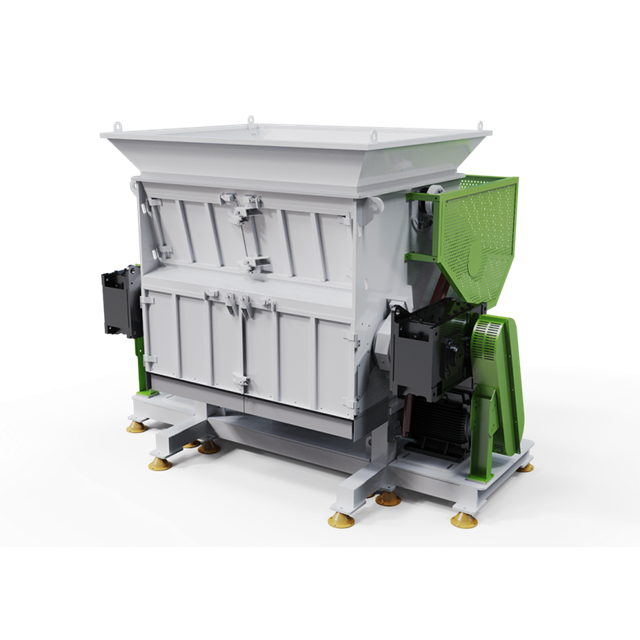
An adaptable system relies on modular components that handle specific processing tasks. You must configure these components to match your feedstock characteristics. Buying off-the-shelf equipment without considering your specific material flow will result in bottlenecks. Every conveyor, shredder, and washer must be sized correctly to maintain a continuous, balanced throughput.
Size reduction prepares the material for washing and extrusion. You must evaluate single-shaft versus double-shaft shredders based on material thickness, bulk density, and toughness. Single-shaft shredders excel at processing thick, solid purgings. They use a hydraulic pusher to press the material against a high-speed rotor. Double-shaft shredders handle bulky, hollow items effectively, using high torque and low speed to tear materials apart.
Rotor designs and knife configurations must match the material form. V-cut rotors provide the shearing action needed for films. Staggered blades deliver the impact force required for rigid plastics. Selecting the wrong rotor design leads to excessive dust generation and rapid blade wear. You will spend more time changing knives than actually processing plastic if the rotor geometry is incorrect.
A well-engineered plastic washing line removes contaminants without degrading the base polymer. The chronological stages of an effective line include several specialized steps. You cannot skip stages if you are dealing with post-consumer waste.
You must balance aggressive washing capabilities against water consumption. High-friction washing requires robust water recirculation and wastewater treatment systems. You must calculate these operational costs during the design phase. Failing to implement a proper water treatment system will lead to dirty wash water, which simply redeposits contaminants back onto the plastic flakes.
Near-Infrared (NIR) optical sorters distinguish between visually identical but chemically distinct polymers. They easily separate PET from PVC or PP from PE. This technology ensures high purity in your final flake. When manual sorting becomes too slow or inaccurate, NIR systems provide the high-speed precision required to meet strict buyer specifications.
You must also integrate metal detectors, magnetic separators, and eddy current separators. These devices protect downstream processing machinery from catastrophic wear and damage caused by stray bolts, wire, or aluminum foil. A single steel bolt entering your extruder will destroy the screw and barrel, resulting in weeks of downtime and massive repair bills.
The extrusion phase transforms clean flake into marketable pellets. You must configure your plastic pelletizing system to handle the specific bulk density and chemical profile of your processed flake. The extruder is the heart of the operation, and its design dictates the final quality of your product.
Standard hopper feeding works well for heavy, free-flowing rigid regrind. However, lightweight, fluffy, or damp materials like films, fibers, and foams require different handling. You must integrate a compactor or cutter-compactor to densify these materials before they enter the extruder screw. This prevents bridging and ensures a consistent feed rate.
The cutter-compactor uses rotating blades to generate friction, heating and densifying the fluffy material until it reaches a semi-molten state. Centrifugal force then pushes this densified material directly into the extruder screw. This integration eliminates the need for a separate agglomeration step, saving floor space and reducing energy consumption.
Single-screw extruders process clean, standard, pre-washed post-industrial or post-consumer waste efficiently. They offer reliable performance for straightforward re-pelletizing tasks. The screw geometry usually features a standard feeding, compression, and metering zone. For most basic recycling operations, a single-screw setup provides the best balance of throughput and operational simplicity.
Co-rotating twin-screw extruders handle demanding compounding applications. You need twin-screw technology when processing heavily printed films or materials requiring intense mixing, devolatilization, and targeted additive blending. The intermeshing screws provide superior dispersive and distributive mixing. This allows you to blend different polymer grades or incorporate high loads of fillers without compromising the structural integrity of the pellet.
Highly inked, painted, or moisture-retaining feedstocks release volatile gases during extrusion. You must utilize double or triple vacuum degassing zones to extract these gases. Failure to degas properly results in porous, brittle pellets. The vacuum pumps must be sized correctly to handle the volume of gas generated, and operators must clean the degassing ports regularly to prevent blockages.
Melt filtration removes residual microscopic contaminants. Continuous screen changers work well for moderately contaminated streams. Backflush filtration systems handle higher contamination levels without halting production. They automatically clear blockages by reversing the melt flow through the screen, maintaining steady melt pressure. Laser filters are also becoming standard for highly contaminated post-consumer streams, using rotating scrapers to continuously clean the filter surface.
Your plastic pelletizing system can integrate mineral fillers like calcium carbonate or talc during the extrusion phase. You can also add impact modifiers, thermal stabilizers, and color masterbatches. This compounding process transforms low-grade waste into engineered plastics suitable for manufacturing new, high-spec circular products.
Adding fillers requires precise gravimetric dosing systems to ensure consistent blending ratios. If the dosing is inaccurate, the mechanical properties of the pellets will vary from batch to batch. Operators must calibrate the dosing units frequently and monitor the melt temperature closely, as adding fillers increases the shear heating inside the extruder barrel.
Choosing the right pelletizing head depends on the polymer melt characteristics. The table below outlines the primary methods used in modern recycling facilities.
| Pelletizing Method | Best Suited For | Operational Characteristics |
|---|---|---|
| Strand Pelletizing | Rigid, high-viscosity melts like PET, PC, and ABS. | Requires a water bath for cooling before cutting. Simple to operate and maintain. |
| Water-Ring Pelletizing | Polyolefins like PE and PP films. | Cuts the melt at the die face, throwing pellets into a circulating water ring for rapid cooling. |
| Underwater Pelletizing | High-capacity, low-viscosity, and highly uniform compounding applications. | Cuts pellets completely submerged in water. Produces highly uniform, spherical pellets. |
| Air-Cooling Hot Face | Moisture-sensitive polymers like PVC or heavily filled compounds. | Cuts at the die face and uses high-velocity air blowers for cooling instead of water. |
Selecting the right equipment partner is just as important as selecting the equipment itself. You must evaluate vendors based on their engineering capabilities and their willingness to customize solutions. A reliable plastic pelletizing machine manufacturer will act as a technical consultant, not just a machinery supplier.
Argue against rigid, pre-packaged systems. A credible manufacturer must demonstrate the ability to modify screw geometry, heating zones, degasification ports, and motor sizing based on your specific feedstock portfolio. The Length-to-Diameter (L/D) ratio of the extruder screw must match your material. A short 30:1 L/D might work for clean regrind, but heavily printed films require a 40:1 or even 48:1 L/D to provide enough residence time for proper degassing and mixing.
Vendors who push standard models without asking for material samples are a massive risk. They rely on generic specifications that rarely hold up in real-world plant conditions. You need a partner who understands how different polymer blends react under shear stress and can design a barrel profile that prevents material degradation.
Establish that a trustworthy vendor will require a sample of your actual waste stream to run through their test facility before finalizing equipment specifications. This Factory Acceptance Test (FAT) is non-negotiable. You must send them bales of your dirtiest, wettest material to see how their machines handle the worst-case scenario.
During the trial, monitor the throughput rates, the energy consumption per kilogram, and the quality of the final pellet. Check the pellets for voids, discoloration, and consistent size. If the vendor's test line struggles with your material, their production line will struggle even more once installed in your facility.
Highlight the operational reality of wear parts. Extruder screws, barrels, cutting blades, and filter screens wear out constantly. Evaluate vendors based on guaranteed response times, local spare parts inventory, and remote diagnostic capabilities. If a main drive motor fails, you cannot wait six weeks for a replacement to ship from overseas.
Ask about the metallurgy of their wear parts. Bimetallic barrels and tungsten-carbide coated screws cost more upfront but last significantly longer when processing abrasive materials like glass-filled nylon or sand-contaminated agricultural films. A good manufacturer will offer different material grades for their components based on your specific wear profile.
Building a recycling line involves significant capital expenditure. You must identify potential failure points early in the planning phase. Anticipating these risks allows you to engineer solutions before the equipment is even built.
Premature wear on extruder screws, frequent screen blinding, and low-quality final pellets are direct results of underestimating contamination. Plant managers often look at a clean sample bale and assume the entire supply chain will maintain that quality. This never happens.
To mitigate this risk, over-engineer the plastic washing line. Install an extra friction washer or a larger sink-float tank than you think you need. Invest in continuous, self-cleaning backflush melt filters for the extruder. It is always cheaper to remove contamination with water and screens than to replace a ruined extruder screw.
Mismatched equipment capacities lead to material pile-ups or excessive energy draw during thermal drying. If your washing line produces 1000 kg/hr but your extruder can only handle 800 kg/hr, you will constantly have to stop the wash line, wasting water and energy.
Demand integrated line control systems (PLCs) that synchronize feed rates across the entire plant. These systems monitor moisture levels dynamically and adjust the speed of the dryers and conveyors automatically. This synchronization optimizes energy consumption per kilogram of output and prevents material surges that can trip motor overloads.
Producing off-spec pellets that fail to meet buyer standards for tensile strength, melt flow index, or odor will destroy your business. Buyers in the packaging and automotive sectors require strict documentation and consistent batch quality.
Implement strict upstream sorting protocols. Utilize advanced vacuum degassing to remove volatile organic compounds (VOCs) that cause bad odors in the final product. Perform batch testing of finished pellets in an on-site laboratory. You must test for moisture content, MFI, and ash content before shipping any material to a customer.
The viability and profitability of a waste plastic recycling solution is entirely dependent on its alignment with the specific physical and chemical realities of the input material. You cannot cut corners on feedstock analysis or equipment customization. Narrow your vendor list to those who prioritize material testing, offer modular washing and extrusion components, and provide transparent performance guarantees.
A: The integration of a cutter-compactor with the extruder is critical to handle low bulk density. This must be coupled with heavy-duty friction washing and high-efficiency mechanical drying to handle the high soil, sand, and moisture contamination typical of agricultural films.
A: Inadequate washing leaves abrasive dirt, adhesives, and excess moisture on the flakes. This causes rapid wear on extruder screws, degrades the polymer melt, forces degassing systems to overwork, and ultimately leads to weak, porous pellets that block melt filters.
A: Different polymers have different melting points and chemical structures. Mixing incompatible plastics, like PET and PVC, causes severe degradation, alters the Melt Flow Index, and produces brittle pellets that are useless for manufacturing new products.
A: Twin-screw extruders are necessary for compounding applications, processing heavily printed films, or handling materials that require intense mixing, devolatilization, and the precise blending of additives or mineral fillers.
A: Continuous backflush filters automatically clear blockages by reversing the melt flow, allowing the line to handle highly contaminated streams without halting production. This maintains steady melt pressure and prevents costly downtime associated with manual screen changes.


