
- All
- Product Name
- Product Keyword
- Product Model
- Product Summary
- Product Description
- Multi Field Search
 English

Views: 0 Author: Site Editor Publish Time: 2026-07-21 Origin: Site


Energy consumption represents the largest variable operating expense in mechanical plastic recycling, directly dictating profit margins and operational viability. Legacy recycling machinery relies heavily on continuous-draw motors and highly inefficient thermal systems. These outdated setups lead to high specific energy consumption, measured in kWh/kg, which erodes the economic rationale of processing low-margin post-consumer resin. Plant operators face constant pressure to optimize these metrics to maintain profitability.
Upgrading to or integrating an energy efficient plastic recycling machine requires moving beyond basic marketing claims. You must evaluate specific mechanical designs, thermal management systems, and operational controls that yield verifiable reductions in operating expenses. Targeted design choices and operational adjustments transform energy-intensive processes into highly efficient recycling operations. We will examine the mechanical upgrades and system integrations necessary to drive down power usage.
Plant managers navigate a constant tension between high capital expenditure for modern machinery and escalating industrial electricity costs. Investing in advanced machinery requires substantial upfront capital, yet running older, inefficient equipment drains resources through massive monthly power bills. You must evaluate the long-term financial impact of energy consumption when planning facility upgrades. A comprehensive energy audit often reveals that legacy extruders and shredders consume up to 40% more power than modern equivalents under identical load conditions.
Defining an acceptable payback period secures project approval from stakeholders. A standard target typically falls between 18 and 36 months. This calculation relies on projected energy savings and increased material throughput. When a machine processes more kilograms per kilowatt-hour, the return on investment accelerates. You justify the initial capital outlay by demonstrating clear, measurable reductions in daily operating expenses through empirical data collected during trial runs.
Regulatory and compliance drivers increasingly mandate energy-efficient operations across the industrial sector. Modern facilities align their processes with ISO 50001 standards for energy management. These frameworks help organizations systematically track and reduce power usage across all production lines. Optimizing machinery supports corporate Scope 1 and Scope 2 emission reduction targets. Companies must prove they are actively lowering their carbon footprint to meet strict environmental regulations and secure operating permits.
Mitigating secondary environmental impacts provides significant operational co-benefits. Thermal recycling processes release greenhouse gases and localized carcinogenic emissions if not properly controlled. Efficient machinery maintains stable temperatures and prevents material degradation inside the barrel. This thermal stability prevents harmful emissions and ensures a safer working environment for plant personnel. You protect both the local ecosystem and facility operators by prioritizing energy optimization.
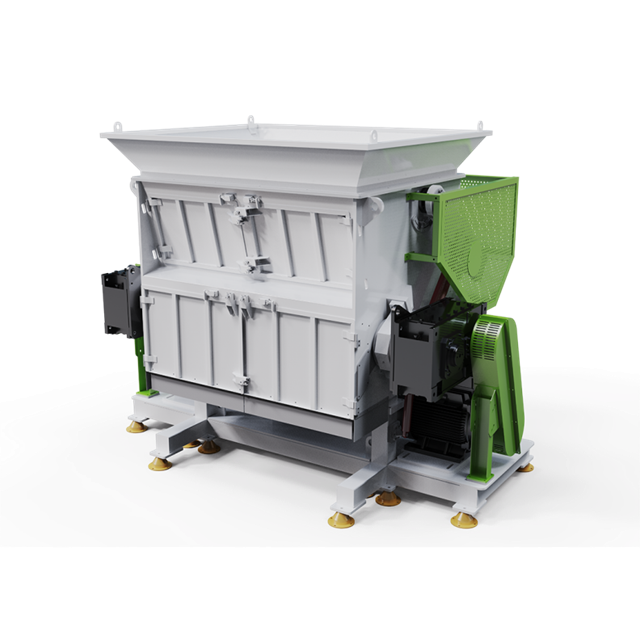
Evaluating the shift from standard induction motors to IE3 or IE4 premium efficiency motors establishes a strong baseline for power reduction. Older motors waste significant energy as heat due to poor winding designs and inferior magnetic materials. Premium efficiency motors convert electrical power into mechanical force with minimal loss. This upgrade immediately lowers the base load of your entire facility, especially on high-draw equipment like shredders and main extruder drives.
Variable Frequency Drives match motor speed to real-time load requirements. Shredders and extruders experience fluctuating material resistance based on feedstock density. A VFD adjusts the power draw dynamically, preventing the motor from pulling maximum amperage during light load periods. Instead of running at full speed constantly, the motor only consumes what the immediate task demands, extending equipment lifespan and reducing thermal stress on electrical components.
Mechanical locking and pre-heating systems utilize frictional heat to reduce electrical heating demands. Material friction generates substantial thermal energy during the initial compaction phase. Smart designs capture this friction to warm the plastics before they enter the main heating zones of the extruder. This method drastically cuts the reliance on electrical heater bands, shifting the energy burden from electrical resistance heating to mechanical work.
Evaluating extruder barrel insulation technologies maintains precise melt temperatures. Ceramic heater bands offer better heat retention than older mica designs. Infrared heating systems provide even more targeted energy transfer directly into the polymer melt. Proper insulation prevents thermal energy from escaping into the factory environment, reducing the load on facility cooling systems.
Systems that capture waste heat from the pelletizing process offer excellent efficiency gains. The pelletizing process generates excess heat, especially during the water cooling phase. Heat exchangers capture this thermal energy to pre-heat water for the washing phase. This closed-loop thermal strategy significantly reduces the energy needed for water boilers.
Integrated three-in-one designs combine a shredder, integrator, and extruder on a single platform. This layout eliminates energy-intensive conveyor systems that move material between standalone machines. It also removes the need for intermediate storage buffers. Material flows continuously, retaining its initial frictional heat throughout the process, which lowers the thermal energy required in the extruder barrel.
Compact machine footprints reduce factory space utilization. A smaller equipment footprint yields indirect energy savings across the plant. You spend less on plant HVAC systems to control the environment. Localized lighting loads also decrease when the operational area is condensed. Every square meter saved translates to lower facility overhead and more efficient material handling routes.
Proportional-Integral-Derivative temperature control prevents energy-wasting temperature overshoots. PID controllers constantly monitor thermal zones along the extruder barrel. They apply precise amounts of power to maintain exact temperatures. This prevents the system from overheating and subsequently wasting energy to cool down via water jackets or blower fans.
Integration of PLC-based power monitoring helps identify energy spikes. These systems track electrical draw in real time across all motor drives. Operators optimize feed rates dynamically based on this data. If a specific material batch causes a power surge, the system automatically adjusts the intake conveyor speed to stabilize consumption and prevent motor tripping.
Integrating mechanical air separators and trommels achieves significant energy savings. These systems remove heavy contaminants before materials reach the energy-intensive stages. Processing dirt, glass, or metal wastes power and damages equipment. Early separation ensures that only viable polymers enter the plastic washing line, maximizing the efficiency of downstream water pumps and friction washers.
Near-Infrared scanners play a vital role in sorting polymers by type. Feedstock homogeneity prevents multi-polymer contamination. Mixed plastics increase melt viscosity in the extruder. Higher viscosity forces the motor to draw more power to push the material through the screen changer. Accurate NIR sorting keeps the material stream pure and the motor load predictable.
Prioritizing mechanical friction washers and centrifugal dryers is more efficient than using thermal drying systems. Thermal dryers consume massive amounts of electricity to evaporate water from the plastic flakes. Centrifugal force physically removes moisture with a fraction of the energy. You maximize mechanical drying before applying any heat to achieve the lowest possible kWh/kg.
Closed-loop water filtration systems reduce the energy required to pump and heat fresh water. Continuously drawing cold water from the municipal supply requires constant heating to reach optimal washing temperatures. Filtering and reusing warm process water retains thermal energy. This strategy cuts boiler usage and lowers overall water consumption.
Length-to-Diameter ratios and custom screw geometries dictate melting efficiency. Specific polymers like PE, PP, and PET require different shear rates. A screw designed for the exact material reduces the mechanical energy required for melting. Generic screws often overwork the material, wasting power through unnecessary friction and causing polymer degradation.
Energy-efficient vacuum degassing systems extract volatiles and moisture without causing excessive thermal heat loss. Older vacuum systems pull too much heat from the melt zone. Modern designs maintain the vacuum pressure while keeping the thermal energy trapped inside the barrel. This prevents the heaters from working overtime to compensate for lost temperature.
Comparing continuous screen changers versus backflush systems highlights impacts on melt pressure. High melt pressure increases motor load. Continuous screen changers maintain a steady flow, keeping pressure stable. Backflush systems cause pressure spikes during the cleaning cycle, forcing the drive motor to consume more amps to push the material through the restricted screen.
Energy trade-offs exist between strand, water-ring, and underwater pelletizing methods. The choice depends on polymer thermal properties. Underwater systems require energy to pump and cool large volumes of water. Strand pelletizing uses less water but requires more floor space and air cooling fans. You match the method to the specific polymer to optimize power usage.
| Sub-System | Legacy Approach | Energy-Efficient Alternative |
|---|---|---|
| Motor Drives | Direct On-Line (DOL) Induction | IE4 Motors with VFD Integration |
| Moisture Removal | Thermal Hot Air Dryers | Centrifugal Mechanical Dryers |
| Heating Zones | Standard Mica Bands | Infrared or Ceramic Insulation |
| Water Management | Open-loop Fresh Water Intake | Closed-loop Filtration & Heat Recovery |
Data transparency is the most critical factor when evaluating equipment providers. You request and interpret specific energy consumption curves from potential suppliers. These curves detail power usage for different materials and throughput volumes. A reliable plastic pelletizing machine manufacturer readily supplies this empirical data based on actual field testing.
Conducting factory acceptance tests using your specific waste streams verifies energy claims. Theoretical efficiency often differs from real-world performance. Bring your actual feedstock to the testing facility. Measure the power draw during a continuous run. This validation protects your investment from underperforming equipment and ensures the machine handles your specific contamination levels.
Assessing the manufacturer's capability to provide after-sales support ensures long-term efficiency. Look for remote diagnostics and software update capabilities. Engineers monitor your system remotely to optimize energy use over the machine's lifecycle. Continuous software refinements improve PID control algorithms and VFD responses, keeping the machine running at peak efficiency.
Identifying exaggerated claims helps avoid costly mistakes. Statements like zero maintenance or complete energy recovery are technical impossibilities. Demand empirical evidence for all stated efficiency gains. A trustworthy vendor relies on physics and documented case studies rather than marketing hyperbole.
Deciding between retrofitting and replacement involves understanding technical limitations. Retrofitting VFDs or adding insulation to legacy equipment offers diminishing returns. The core mechanical design of older machines remains inefficient. Investing in natively energy-efficient machinery provides a much higher ceiling for OPEX reduction and better integration of smart controls.
Improper manual overrides of automated systems negate engineered energy savings. Operators often bypass PID controllers or force VFDs to run at maximum speed to clear jams. This human interference destroys the efficiency curve. Comprehensive operator training is mandatory to maintain system performance and ensure staff understand the financial impact of manual overrides.
Maintaining efficiency components represents a hidden operating expense. Sensors require calibration. Heat exchangers need regular cleaning to maintain thermal transfer rates. VFDs must be kept free of industrial dust to prevent overheating. You factor these maintenance tasks into your operational budget to ensure sustained energy performance.
Material variability poses a significant risk of energy spikes. Highly contaminated or mixed-moisture feedstocks force the machine to work harder. Wet material requires more thermal energy to dry and melt. You mitigate this risk through rigorous upstream sorting and strict quality control of incoming bales.
Audit your current baseline energy consumption to establish a clear starting point for improvements. Document the kWh/kg for each existing line under normal operating conditions.
Define target throughputs and specific polymer types to guide your equipment selection process. Match the machinery specifications directly to your most common feedstock.
Initiate technical dialogues with shortlisted manufacturers, demanding empirical specific energy consumption data. Reject proposals that only offer theoretical maximum efficiency ratings.
Prioritize equipment that demonstrates the lowest verifiable kWh/kg for your exact material stream. Ensure the vendor guarantees these metrics in the final purchase contract.
A: A modern, highly efficient system typically consumes between 0.25 and 0.45 kWh/kg, depending heavily on the polymer type, moisture content, and the specific filtration requirements of the feedstock.
A: VFDs reduce motor energy consumption by 20% to 30%. They achieve this by matching the motor's speed and torque precisely to the real-time load, eliminating the waste of running at constant full speed.
A: Yes, washing lines consume more energy due to water pumping, heating, and mechanical drying. Utilizing closed-loop water systems and centrifugal friction washers minimizes this energy penalty compared to older thermal drying methods.
A: They remove heavy contaminants and separate incompatible polymers early. This prevents the extruder motor from overworking due to high-viscosity mixed melts and protects downstream equipment from energy-draining mechanical wear.
A: Ask for empirical specific energy consumption curves for your exact polymer. Request case studies on waste heat recovery, and demand to see the power draw data during a factory acceptance test.
A: It captures excess thermal energy from the extruder cooling zones or pelletizing water. This captured heat routes through heat exchangers to pre-heat incoming wash water, reducing reliance on electrical boilers.
A: High moisture content drastically increases energy use. The extruder expends massive amounts of thermal and mechanical energy to boil off water before the plastic properly melts, leading to severe power spikes.


