
- All
- Product Name
- Product Keyword
- Product Model
- Product Summary
- Product Description
- Multi Field Search
 English

Views: 0 Author: Site Editor Publish Time: 2026-08-01 Origin: Site


Capital expenditure on recycling equipment represents only a fraction of the total investment required to get a plant running. Long-term operational expenses and profitability are determined by how quickly and safely the machinery reaches optimal operational throughput. Facility managers frequently face extended downtime, voided warranties, and severe safety hazards due to suppliers who treat installation as a simple equipment drop-off rather than a complex systems integration.
To ensure operational readiness and protect capital investments, buyers must rigorously evaluate the installation, commissioning, and training frameworks provided by their shortlisted vendors before signing a contract. A machine sitting idle on the factory floor generates zero revenue. You need a partner who takes responsibility for getting the line running at the contracted capacity. Understanding the exact scope of post-sale support is the most critical step when selecting a reliable plastic recycling machinery supplier.
The difference between an equipment broker and an integrated manufacturing partner becomes glaringly obvious the moment the shipping containers arrive at your loading dock. Successful procurement is measured strictly by the "time-to-first-ton" processed. A delivery date means nothing if the equipment takes six months to wire, plumb, and calibrate. A true partner ensures the equipment is fully operational, integrated into your facility's workflow, and producing sellable material.
Poor implementation carries compounding financial impacts that operators rarely anticipate. Botched installations lead to massive material waste during extended calibration phases. If an extruder is not perfectly leveled, you will see accelerated wear on misaligned components like the screw and barrel. Furthermore, poorly integrated safety interlocks create significant operator injury risks. These issues quickly erode the anticipated return on investment and cause severe production delays that can cost you contracts with end-buyers.
Structured support services and correct early-stage calibrations directly extend the operational life of the machinery. Proper setup reduces long-term capital depreciation by preventing premature component failure. For example, ensuring the correct tension on drive belts and proper alignment of the die face prevents catastrophic failures down the line. This lifetime value connection makes professional installation a non-negotiable component of the purchase.
Baseline expectations for a successful handover must be clearly defined in your contract. Commissioning is only complete when the system runs reliably under normal production conditions without constant vendor intervention. This means verified throughput matching contract specifications, fully integrated and tested safety systems, and operational staff who are certified to run the line independently.
| Criteria | Simple Equipment Vendor | Integrated Manufacturing Partner |
|---|---|---|
| Installation Scope | Drops equipment at the dock; leaves rigging and setup to the buyer. | Manages rigging, leveling, anchoring, and full mechanical/electrical integration. |
| Commissioning | Performs a basic dry run to ensure motors turn on. | Conducts extensive wet runs with actual facility material to hit throughput targets. |
| Training | Hands over a translated manual and a USB drive. | Provides days of hands-on, site-specific training for operators and maintenance staff. |
| Accountability | Blames facility utilities or operators for early failures. | Takes ownership of the line's performance until contract specifications are met. |
You cannot drop a 10-ton extruder onto a standard warehouse floor and expect it to run without issues. Pre-delivery site audits are absolutely necessary. The supplier must evaluate floor load capacity, electrical supply stability, water drainage capabilities, and spatial constraints for maintenance access. A detailed project timeline, foundation requirements (like reinforced concrete pads), and utility layout schematics provided by the supplier ensure the facility is ready before the equipment arrives.
Precise equipment setup requires laser leveling, structural anchoring with heavy-duty chemical bolts, and vibration dampening pads. If a machine is out of level by even a fraction of a degree, it will cause uneven wear on rotating assemblies. Integration of PLC (Programmable Logic Controller) systems, industrial wiring, and synchronization with existing facility infrastructure are essential for safe and efficient operation. All wiring must be routed through rigid conduit to protect against the harsh environment of a recycling plant.
Integrating a multi-stage plastic washing line involves highly specific nuances. You are dealing with massive volumes of water, heavy contamination, and aggressive chemicals. The installation must include proper plumbing connections, closed-loop water filtration integration, water-saving recirculation loops, and precise friction washer alignment. Calibration of automated material handling equipment, including pneumatic transport tubes, silos, and loss-in-weight feeding systems, is also required to ensure a steady feed rate into the extruders.
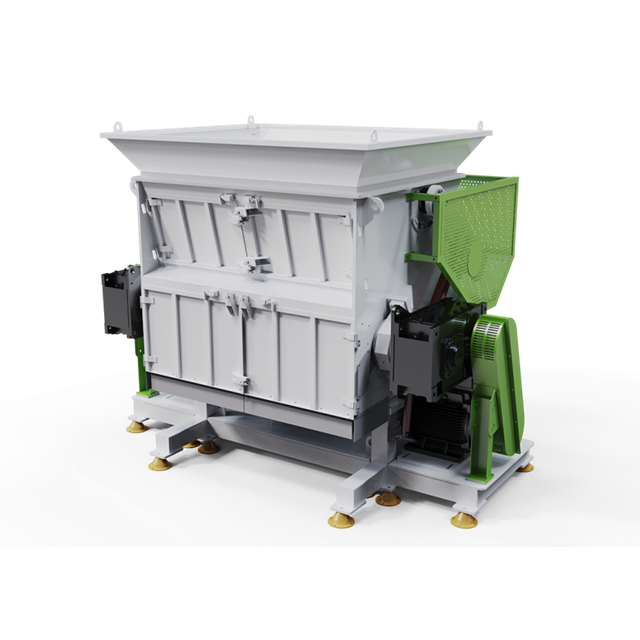
A primary processing line is useless if the material cannot get into it or out of it efficiently. Integration requirements for upstream pre-processing equipment, such as heavy-duty industrial shredders and granulators, must be detailed. The feed rates must be synchronized so the shredder does not overwhelm the washing line. Downstream integration for output handling, like balers, compactors, and automated bagging systems, ensures seamless material flow across the entire line. The PLC must communicate across all these distinct pieces of equipment.
The standard progression moves from dry runs to wet runs. Dry runs involve testing motor rotation direction, sensor functionality, emergency stops, and safety interlocks without material. Once the dry run passes, wet runs begin by processing actual polymer streams. The supplier is responsible for fine-tuning melt temperatures across different barrel zones, adjusting cutting tolerances on the pelletizer, setting degassing vacuum levels, and monitoring extrusion pressures to meet specified pellet quality standards.
Recycling machinery is inherently dangerous, involving high voltages, extreme temperatures, and massive shearing forces. Mandatory safety curriculum must include strict Lockout/Tagout (LOTO) procedures, emergency stop (E-stop) distribution mapping, and high-temperature/high-pressure hazard recognition. Aligning training with local regulatory frameworks, such as OSHA or CE machinery directives, ensures a safe working environment and protects the facility from severe liability in the event of an accident.
Hands-on instruction is necessary for running complex setups like a high-capacity plastic pelletizing system. Operators cannot learn this from a book. Training should cover HMI (Human-Machine Interface) navigation, recipe management for different polymer grades (HDPE, LDPE, PP, PET), and real-time throughput optimization. Operators need to know how to adjust screw speed and feed rates on the fly to handle variations in bulk density and moisture content of the incoming scrap.
The curriculum for preventative maintenance tasks should be broken down into daily, weekly, and monthly checks. Proper operator maintenance directly impacts the preservation of the machine's core parts, avoiding premature wear and unexpected downtime. If operators do not know how to grease bearings or check oil levels, the machine will fail.
| Maintenance Interval | Specific Tasks | Impact on Production |
|---|---|---|
| Daily (Shift Change) | Check hydraulic screen changer seals, inspect die face, clear hopper bridging. | Prevents immediate blockages and maintains pellet uniformity. |
| Weekly | Grease main motor bearings, inspect drive belts for tension, clean water filters. | Reduces vibration, prevents motor overheating, ensures cooling efficiency. |
| Monthly | Inspect extruder screw for wear, calibrate loss-in-weight feeders, check gearbox oil. | Maintains long-term throughput capacity and prevents catastrophic gearbox failure. |
Teaching operators how to diagnose common production faults is highly valuable. Identifying issues like die-face blockages, uneven pellet sizes, moisture contamination causing foaming, or melt-fracture without immediately relying on external field technicians minimizes production interruptions. Operators should know how to read amperage spikes on the main motor to anticipate a screen blockage before the pressure relief valve blows.
OEM-certified engineers offer deeper product knowledge, direct accountability, and rapid access to original parts. They know the quirks of the specific machine model. Third-party contractors may lack specific machinery expertise and complicate warranty claims. If a third-party contractor wires the PLC incorrectly and fries a drive, the manufacturer will likely void the warranty. Choosing a plastic pelletizing machine manufacturer with a dedicated fleet of in-house technicians drastically reduces implementation risks.
Evaluate the quality of documentation provided. Standard Operating Procedures (SOPs) must be customized to the facility's specific layout and system configuration, not just a generic printout. Dedicated digital training platforms, interactive e-learning modules, and video databases streamline onboarding for future staff additions. When your lead operator quits in six months, you need a reliable way to train their replacement without flying a technician out.
Parts and labor warranties are strictly contingent upon installation and commissioning by certified personnel. Buyers should look closely at the contract fine print regarding voided warranties due to unapproved installation modifications or uncertified operator errors. If you decide to pipe the cooling water yourself and use the wrong diameter pipe, causing the barrel to overheat, the manufacturer will not cover the damaged screw.
Replacing legacy equipment or retrofitting existing structures carries the risk of prolonged operational halts. Every day the line is down, you are losing money. Mitigation strategies include phased installation schedules, off-shift or holiday commissioning, and strict penalty clauses for supplier-driven delays. You must hold the supplier financially accountable if they promise a two-week installation that stretches into two months.
Importing machinery often involves communication bottlenecks during critical technical setup phases and a lack of localized physical support. A manual translated poorly into English is a massive liability. Require localized, factory-trained, bilingual technicians, fully translated HMI panels, and clear, localized physical documentation before final purchase sign-off. The HMI must display alarms and faults in the native language of your operators.
Supplier abandonment post-installation is a significant risk in the heavy machinery industry. Once the final payment clears, some vendors disappear. Negotiate ongoing support SLAs, remote diagnostic capabilities via secure IoT links, and guaranteed OEM spare parts availability within the initial procurement contract to ensure long-term success. Remote diagnostics allow the manufacturer's engineers to log into your PLC and troubleshoot faults from across the globe, saving days of downtime.
The upfront cost of machinery is secondary if the supplier cannot guarantee a seamless, safe, and efficient transition to full operational capacity. Evaluate a supplier's service capabilities by requesting past installation case studies, verifying technician credentials, reviewing training syllabi, and checking support portal accessibility.
A: A standard package should include site assessment verification, mechanical positioning and anchoring, electrical integration, PLC and HMI programming, dry/wet testing, and final throughput calibration to meet contract specifications.
A: Depending on the complexity, throughput volume, and facility readiness, installing a complete washing line typically takes 2 to 4 weeks, including plumbing integration, electrical setup, water loop testing, and material testing.
A: While some premium manufacturers include basic commissioning in the purchase price, comprehensive installation, travel expenses for technicians, and extended operator training are often billed as separate line items. Always request itemized service quotes.
A: Top-tier suppliers will design and support the integration of auxiliary equipment such as shredders and balers to ensure line synchronization, but the buyer must clarify boundaries of responsibility in the contract to avoid installation gaps.
A: If failure occurs during commissioning, the supplier is typically responsible for diagnosing and repairing the fault at their expense, provided the facility met all pre-installation utility, environmental, and preparation requirements.
A: Verify capabilities by requesting reference contacts from recent installations of similar scope, reviewing their standard Service Level Agreements (SLAs), and asking for detailed profiles of the technical field service team assigned to your site.


