
- All
- Product Name
- Product Keyword
- Product Model
- Product Summary
- Product Description
- Multi Field Search
 English

Views: 0 Author: Site Editor Publish Time: 2026-07-23 Origin: Site


Recycling facilities relying on manual material handling and disconnected processing stages eventually hit a hard operational ceiling. Inconsistent throughput, high labor dependencies, and variable output quality create severe bottlenecks that prevent scaling. When operators manually transfer materials between shredding, washing, and extrusion, the entire workflow suffers from material bridging, inconsistent feeding rates, and poor moisture control. These inefficiencies directly degrade final pellet value and reduce overall equipment effectiveness.
Overcoming these bottlenecks requires a strategic shift away from isolated machinery. Implementing end-to-end plastic recycling line automation is a necessity for scaling operations, ensuring strict post-consumer resin compliance, and achieving continuous, high-yield production. By synchronizing data and material flow across every stage, facilities eliminate human error, stabilize processing conditions, and consistently produce premium-grade recycled plastics.
Evaluating the success of an automated facility requires establishing clear baseline metrics. Operators must measure tons per hour, energy consumption per kilogram processed, and the consistency of the pellet melt flow index. Tracking these metrics reveals the true operational health of the plant. A fully synchronized line reduces energy spikes by maintaining steady motor loads, ensuring that the extruder operates within its optimal thermal window. This stability directly translates into higher quality outputs and lower per-unit processing costs.
Plant managers need to look at specific energy consumption. Manual lines often see massive spikes in amperage when an operator dumps a large batch of heavy regrind into a hopper. Automated dosing smooths out this curve. The extruder screw RPM remains constant, the barrel heating zones do not have to fight sudden influxes of cold material, and the melt pressure at the die head stays flat. This mechanical harmony extends the lifespan of thrust bearings and gearbox components.
Manual sorting and feeding introduce hidden costs that extend far beyond hourly wages. Human error leads to inconsistent feed rates, causing extruders to surge or starve, which ultimately damages equipment and forces unplanned downtime. Furthermore, manual intervention around heavy shredders and high-temperature extruders creates significant safety liabilities. Automating these material transfer points removes operators from hazardous zones while guaranteeing a continuous, optimized flow of plastic scrap into the processing machinery.
Consider the physical toll of moving wet, washed flakes from a friction washer to an extruder hopper. Forklift traffic, super sack handling, and manual dumping create a chaotic factory floor. Automated pneumatic conveying systems or enclosed screw conveyors move this material silently and efficiently. The reduction in forklift traffic alone drops the accident rate and clears floor space for better maintenance access.
Automated continuous processing minimizes thermal degradation and contamination. When material moves directly from washing to extrusion without sitting in holding bins, it retains its physical properties. Precise temperature controls and automated degassing prevent the polymer chains from breaking down. Recyclers producing high-grade, uncontaminated post-consumer resin command premium prices in the market, as manufacturers demand reliable, high-quality recycled inputs for their products.
Melt flow index consistency is the ultimate test of a recycling line. If the MFI fluctuates, injection molders cannot use the pellets without adjusting their own machine parameters. Automated lines use closed-loop feedback from the melt pressure transducers to adjust the feed screw speed. If the pressure drops, the feeder speeds up. This guarantees that the pellets coming out of the water ring cutter are uniform in density and size.
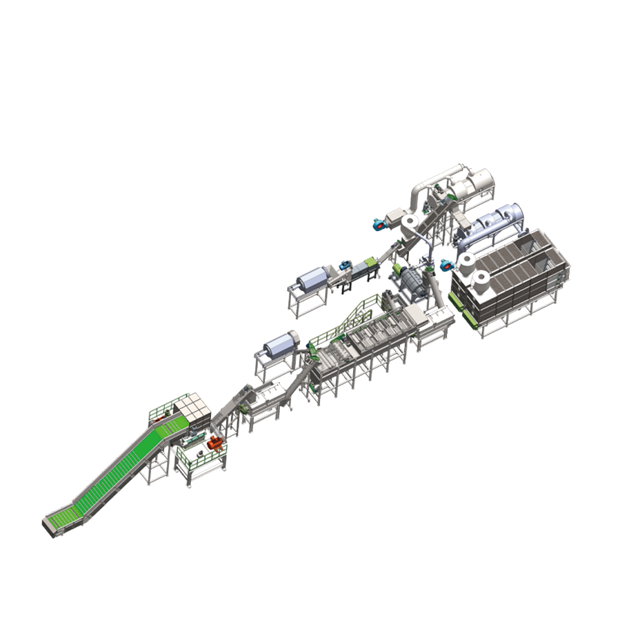
The transition from manual loading to automated conveyors, silos, and smart hoppers fundamentally changes plant efficiency. Volumetric dosing systems measure material by volume, while gravimetric systems weigh the material, offering superior precision for maintaining a stable feed rate. For difficult, low-bulk-density materials like loose agricultural films, PP woven bags, and post-consumer scrap, specialized force-feeding automation prevents bridging in the hopper and ensures the extruder screw remains fully packed.
Gravimetric feeders use load cells to constantly measure the weight of the material entering the extruder. The PLC calculates the loss-in-weight over time and adjusts the dosing screw RPM to match the exact setpoint. This is mandatory when blending different materials, such as adding a specific percentage of calcium carbonate filler or color masterbatch to the recycled flake. Volumetric feeders cannot account for changes in bulk density, meaning a batch of fluffy film will feed much slower than a batch of dense rigid regrind, throwing off the entire extrusion process.
Automated shredders and crushers must sync with downstream equipment via load-sensing feedback loops. If the washing line or extruder slows down, the shredder automatically adjusts its feed rate to prevent overfeeding and material pile-ups. Utilizing 3D simulation modeling during the design phase maps the physical sequence of the machinery, ensuring structural bottlenecks are identified and resolved before the first piece of steel is cut.
Modern shredders feature hydraulic pushers that ram the plastic bales against the spinning rotor. In an automated setup, the hydraulic pressure on this pusher is tied directly to the main rotor motor amperage. If the rotor draws too much current, the pusher retracts automatically, preventing a stall. This logic keeps the shredder operating at maximum capacity without tripping breakers or snapping drive belts.
Removing organic contaminants, labels, and adhesives is the primary function of an automated plastic washing line. Sink-float tanks automatically separate materials based on density, while high-speed friction washers aggressively scrub surface contaminants. Centrifugal dewatering machines are essential to achieve strict moisture content thresholds of less than one to three percent prior to extrusion. Automated water filtration and recirculation loop monitoring within the system significantly reduce fresh water consumption, making the process highly efficient.
Friction washers operate at high RPMs, using angled paddles to beat the plastic flakes against a stainless steel screen. Water is injected to flush away the loosened dirt and paper pulp. In an automated line, the water flow valves are controlled by flow meters and turbidity sensors. If the water becomes too dirty, the system automatically purges the dirty water and introduces clean makeup water. This prevents the flakes from being re-contaminated by dirty wash water.
Dewatering is equally critical. If wet flakes enter the extruder, the moisture turns to steam, causing foaming at the die head and creating hollow, brittle pellets. Automated centrifugal dryers spin the flakes at high speeds, forcing the water out through a screen. For flexible films, which hold surface water stubbornly, mechanical squeeze dryers are often employed. These machines use a heavy-duty screw to physically compress the film, squeezing the water out before chopping the dried film into dense agglomerates ready for extrusion.
An automated plastic pelletizing system relies on continuous melt filtration, utilizing screen changers that operate without halting production. Vacuum degassing removes volatiles and moisture, preventing voids in the final pellets. Depending on the material, operators choose between automated die-face water-ring cutting, strand pelletizing, or underwater pelletizing. Automated speed-regulated cutting heads dynamically adjust blade RPM based on melt-flow pressure to ensure uniform pellet geometry, eliminating inconsistency.
Melt filtration is where many manual lines fail. When processing post-consumer scrap, the filter screens clog rapidly with un-meltable contaminants like aluminum foil, wood, or silicone. Manual screen changers require the operator to stop the extruder, drop the pressure, and swap the screen. Continuous dual-piston screen changers allow one screen to be swapped while the melt flows through the other. Fully automated backflush systems take this a step further, using a small amount of filtered melt to push the contaminants backward off the screen and out a discharge port, allowing the screen to be reused multiple times without operator intervention.
Vacuum degassing zones on the extruder barrel pull out trapped air, moisture, and volatile organic compounds (VOCs). High-performance liquid ring vacuum pumps maintain a deep vacuum. If the vacuum drops, the PLC triggers an alarm, indicating a potential blockage in the vent port. Keeping the vent clear is mandatory for producing solid, high-density pellets.
| Cutting Technology | Best Suited For | Automation Features | Maintenance Requirements |
|---|---|---|---|
| Water-Ring Die Face | PE, PP, ABS (Standard MFI) | Auto blade pressure adjustment, variable RPM based on melt pressure | Regular blade sharpening, die plate resurfacing |
| Strand Pelletizing | PET, PC, High-Viscosity Polymers | Auto-threading water baths, synchronized puller roll speeds | Strand breakage monitoring, rotary cutter gap adjustment |
| Underwater Pelletizing | TPU, TPE, High MFI materials | Fully enclosed water flow control, automated startup sequencing | Complex die plate heating maintenance, precise water temp control |
Direct-coupled shredder-compactor-extruder-pelletizer machines represent a major trend for processing films, fibers, and PP woven scraps. These one-step systems consolidate the footprint and retain the frictional heat generated during compaction, saving energy during extrusion. In contrast, multi-stage decoupled layouts offer more flexibility for processing heavily contaminated rigid plastics that require extensive washing and intermediate storage before pelletizing.
The cutter-compactor acts as a massive friction heater. The spinning blades at the bottom of the compactor drum chop the film and heat it to just below its melting point. The centrifugal force pushes this densified, pre-heated material directly into the extruder screw. This eliminates the need for a separate agglomerator or force feeder. The automation logic here is tight: the compactor temperature dictates the feed rate into the drum, and the extruder screw speed dictates the discharge rate from the compactor. If these two variables fall out of sync, the material will either melt inside the drum or starve the extruder.
Integrating new automated components, such as a smart gravimetric feeder, into legacy lines can provide immediate throughput benefits. However, retrofitting carries integration risks. Mismatched PLC protocols can cause communication failures between old and new machinery. Upgrading one section often shifts the bottleneck to another part of the line, and modifying existing equipment may void original manufacturer warranties.
For example, adding a high-capacity continuous screen changer to an older extruder might seem like a quick win. But if the older extruder's gearbox and motor cannot handle the increased backpressure generated by the finer filtration screens, the motor will constantly trip on high amperage. Automation requires a holistic view of the mechanical limits of every component in the chain.
Single-source procurement for turnkey automated systems provides unified SCADA systems, centralized human-machine interfaces, and synchronized motor drives. The time-to-value and commissioning phases are significantly faster. A unified system ensures that every motor, sensor, and heater communicates flawlessly, providing operators with a single dashboard to monitor the entire plant.
When a single vendor supplies the shredder, washing line, and pelletizer, the communication protocols (like Profinet or EtherCAT) are native across all PLCs. The HMI screens share the same design language, making operator training much simpler. If a fault occurs in the friction washer, the HMI at the extruder station displays the exact error code, allowing the operator to address the issue without running across the factory floor.
Centralized PLCs are the brain of the automated line. They enable real-time monitoring of motor loads, precise temperature zone control, and predictive maintenance alerts. By acquiring data continuously, the system can detect abnormal vibration in a shredder bearing or a pressure drop in the extruder die, alerting operators to perform maintenance before a catastrophic failure occurs.
Data logging allows plant managers to track production metrics over time. You can pull a report showing exactly how many kilowatt-hours were consumed to produce a specific batch of pellets, what the average melt temperature was, and how many times the screen changer cycled. This data is invaluable for optimizing the process and proving quality control to demanding buyers.
Vetting a plastic washing line manufacturer requires analyzing their ability to adapt line layouts to specific facility footprints and input material contamination levels. A competent partner will engineer custom bypass loops for cleaner materials and robust friction washing stages for heavily soiled agricultural films. Off-the-shelf solutions rarely perform optimally across diverse waste streams.
Look at the vendor's engineering drawings. Do they account for maintenance access? Is there enough clearance to pull the extruder screw for cleaning? Are the water tanks designed with sloped bottoms and automated sludge augers to remove settled dirt, or will your operators have to shovel mud out by hand every weekend? These mechanical details separate experienced manufacturers from entry-level fabricators.
Buyers must demand material trials using their specific scrap before finalizing contracts. Processing heavily printed agricultural films behaves entirely differently than recycling rigid battery casings. Running a physical proof of concept validates the proposed machinery configuration, ensures the target throughput is achievable, and confirms the final pellet quality meets market standards.
Ship a representative sample of your worst-case material to the manufacturer's test facility. If your bales contain 10% paper labels and 5% sand, do not send them clean, pre-washed flakes for the trial. You need to see how their friction washers handle the paper pulp and how their extruder handles the residual moisture. Inspect the pellets produced during the trial for voids, discoloration, and uniform size.
Vendor reliability hinges on strict service level agreements, remote diagnostic capabilities, and the regional availability of critical wear parts. Extruder screws, shredder blades, and filter screens require regular replacement. A manufacturer that can remotely log into your PLC to troubleshoot faults and dispatch spare parts locally minimizes costly unplanned downtime.
Ask for a recommended spare parts list during the procurement phase. You should keep high-wear items like die face cutter blades, heater bands, thermocouples, and screen changer seals in your own inventory. Relying on overseas shipping for a $50 heater band can cost you tens of thousands of dollars in lost production.
Automation cannot fix fundamentally poor sorting. If PVC or metal enters a PET processing line, the automated machinery will still produce contaminated pellets or suffer mechanical damage. Facilities must implement automated optical or near-infrared pre-sorting to ensure the material entering the washing and extrusion phases is highly homogeneous.
Metal detectors and magnetic separators are mandatory on the conveyor belts feeding the shredders and extruders. A single stray bolt can destroy a set of shredder knives or gouge an extruder barrel. Automated diverter valves linked to the metal detectors will instantly eject the contaminated batch of material off the belt before it reaches the cutting chamber.
Logistical prerequisites dictate the success of an installation. Facilities must have adequate ceiling height for storage silos and reinforced flooring to support heavy extruders. Closed-loop water filtration systems require dedicated space, and high-voltage power stability is mandatory to prevent motor faults and control system resets during operation.
Water treatment is often underestimated. A high-capacity washing line requires hundreds of gallons of water per minute. You cannot simply dump this down the drain. You need a dedicated water treatment plant with dissolved air flotation (DAF) units, flocculant dosing stations, and sludge presses to clean the water and recirculate it back to the washing line. This equipment takes up significant floor space and requires its own automation controls.
Implementing advanced machinery shifts the focus from manual labor to technical operation. Operators must transition from manual handlers to process technicians. They require comprehensive training to manage automated HMIs, interpret data trends, and perform preventative maintenance on complex components like continuous screen changers and extrusion dies.
Upgrading from manual processes to synchronized, data-driven systems eliminates bottlenecks, stabilizes output quality, and ensures compliance with strict post-consumer resin standards. Buyers must prioritize vendors offering unified control systems, proven material testing, and robust post-sale support over the lowest initial bid. The transition requires careful planning, rigorous facility preparation, and a commitment to training your workforce.
A: The ROI period typically ranges from 18 to 36 months. This timeframe depends heavily on local labor costs, energy rates, and the ability to command premium pricing for high-quality, consistent pellets produced by the automated system.
A: Yes, but it requires modular bypasses or specific machine configurations. Flexible films require different dewatering techniques, such as centrifugal film squeezers, whereas rigid plastics typically utilize standard centrifugal dryers and thermal drying systems.
A: Automated feeding provides a consistent material flow, which prevents extruder surging and starving. This steady state reduces energy spikes, maintains optimal melt temperatures, and ensures uniform pellet size and quality.
A: These systems require industrial-grade 3-phase power with high stability, a high-volume water supply, and integrated wastewater treatment systems to manage the closed-loop recirculation and filtration processes effectively.
A: One-step cutter-compactor units integrate shredding, compacting, and pelletizing, offering a smaller footprint and higher energy efficiency by retaining frictional heat. They are ideal for flexible PP woven materials and light films, whereas traditional decoupled systems are better for heavily contaminated rigids.
A: Pre-engineering 3D simulation visualizes structural material flows and ensures optimal physical machinery placement. It helps identify electronic and mechanical interface issues, preventing costly layout errors before the equipment is manufactured and shipped.
A: Yes, retrofitting PLCs, automated conveyors, and smart feeders is possible. However, integrating older, non-communicating machinery can be challenging due to mismatched protocols, and upgrading one section often just shifts the bottleneck to another manual stage.


