
- All
- Product Name
- Product Keyword
- Product Model
- Product Summary
- Product Description
- Multi Field Search
 English

Views: 0 Author: Site Editor Publish Time: 2026-08-06 Origin: Site


Processing post-consumer and post-industrial polyolefins presents a distinct mechanical challenge. The physical properties of flexible films drastically differ from rigid plastics, complicating continuous throughput in any facility. Low-bulk-density films like LDPE and LLDPE behave differently under thermal stress compared to high-bulk-density rigids like HDPE and PP. Facilities attempting to process both formats often face inconsistent feed rates. Thermal degradation, frequent filter blinding, and compromised final pellet quality routinely disrupt operations.
To achieve high-grade, commercially viable recyclate, plant operators must evaluate processing lines based on sorting efficiency, decontamination, and extrusion architecture. A poorly configured line yields dark, odorous, or brittle pellets. This guide breaks down the technical setup required for a high-performance plastic recycling machine for PP PE waste to process both flexible and rigid formats successfully. We will explore material preparation, feeding mechanisms, and melt filtration strategies that ensure consistent output.
Defining the operational baseline and success criteria is the first step in processing polyolefins at commercial volumes. You cannot treat all polyethylene and polypropylene streams equally. The mechanical demands placed on the recycling equipment vary wildly depending on the physical form of the incoming feedstock. Operators must understand these material behaviors to configure their lines correctly.
Rigid waste includes items like HDPE bottles, PP containers, and injection-molded crates. These materials possess a high bulk density. They offer straightforward shredding and granulation. Rigid flakes retain less moisture after passing through a friction washer. However, rigid streams often arrive contaminated with caps or closures made of a different polymer. For example, PP caps frequently accompany HDPE bottles, requiring specific gravity separation.
Flexible film streams consist of LDPE, LLDPE, and BOPP packaging. These materials have a very low bulk density. Their high surface-area-to-volume ratio leads to significant moisture retention during the washing phase. Films are highly prone to wrapping around cutter rotors and bridging inside standard feed hoppers. Feeding light, fluffy film directly into a standard extruder screw results in severe throughput drops and trapped air.
Separating transparent, white, and colored fractions is an economic necessity. Failing to segregate colors forces operators to downgrade the material into black utility pellets. Black pellets command a significantly lower market price. Post-consumer streams present severe challenges. They contain highly printed surfaces, multi-layer structures, and organic residues. Post-industrial scrap is generally cleaner but still requires careful color sorting to maintain visual consistency in the final batch.
You must define acceptable melt flow index (MFI) retention before starting production. The recycling process inherently degrades polymer chains, increasing the MFI. Target yield rates must account for moisture loss and contamination removal. Mechanical property targets, such as tensile strength and impact resistance, dictate whether the recycled pellets can re-enter high-value packaging applications or must be relegated to thick-walled construction products.
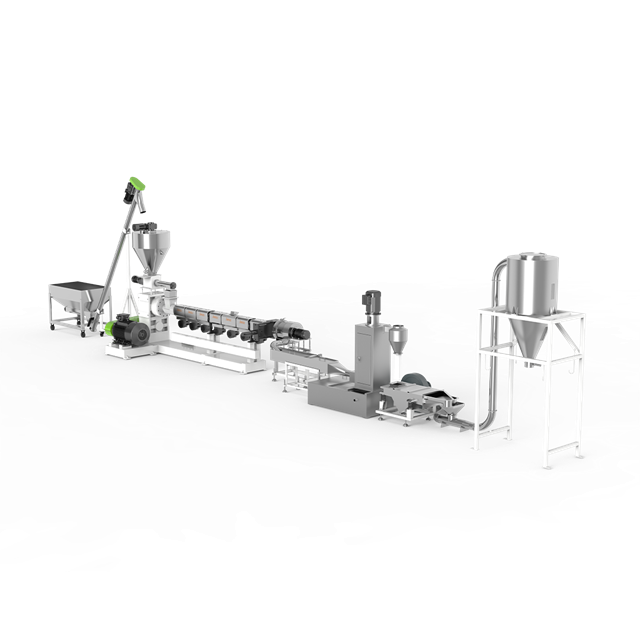
The quality of the final pellet is determined long before the plastic melts. Front-end preparation dictates the stability of the extrusion process. Poorly prepared material will overwhelm the screen changer and degrade the polymer melt.
Magnetic and eddy-current separators are upstream installations you cannot skip. You must remove ferrous and non-ferrous metals before the material enters the primary shredder. Aluminum caps, foil liners, and stray bolts will shatter granulator blades and severely score the extruder barrel. Automated near-infrared (NIR) sorting systems isolate target PP and PE polymers from unwanted plastics like PET and PVC. Even small amounts of PVC will release hydrochloric acid during extrusion, destroying the equipment and ruining the batch.
Evaluating rotor designs is essential for efficient size reduction. V-rotor or cross-cut designs work exceptionally well for rigid materials. They provide high cutting force and uniform flake size. Flexible films require specialized scissor-cut profiles. These profiles prevent the thin plastic from winding around the rotor shaft and stalling the motor. Integrated wet-granulators utilize water directly inside the cutting chamber. This initiates the washing process early, cools the blades, and significantly reduces blade wear from abrasive dirt.
A comprehensive plastic washing line is the defense mechanism against contamination. Friction washers use high-speed mechanical agitation to strip stubborn adhesives, paper labels, and organic contaminants from the plastic surface. Sink-float separation tanks utilize specific gravity to separate materials. Water acts as the medium. PP and PE have a density lower than 1.0 g/cm³, causing them to float. Heavier contaminants like PET, PVC, polystyrene, and metals sink to the bottom for removal.
Hot washing systems are essential for heavily contaminated post-consumer waste. These tanks heat the water and introduce caustic soda (NaOH) along with specialized surfactants. The chemical and thermal action dissolves strong glues, residual oils, and surface inks that cold water cannot remove.
Moisture is the enemy of extrusion. Centrifugal dryers spin rigid flakes at high speeds, throwing off surface water effectively. However, centrifugal force is insufficient for flexible films. Soft PE and PP films require squeezer-dryers. These screw presses mechanically squeeze the water out of the fluffy material. The friction generated during squeezing also provides initial thermal drying. This reduces moisture levels below 3% before the material enters the extruder.
The extrusion phase transforms clean, dry flakes into uniform pellets. Handling mixed formats requires versatile feeding mechanisms and robust melt filtration.
Cutter-compactor integration is essential for processing film. The compactor uses high-speed rotary blades to generate frictional heat. This heat pre-conditions, dries, and densifies the fluffy film. The densified material is then pushed directly into the extruder screw. Rigid, free-flowing regrind requires standard hopper and force-feeding systems. A modern waste plastic recycling pelletizing machine often integrates hybrid or dual-feed configurations. This setup allows rapid changeovers between film and rigid runs without swapping major hardware components.
Screw design dictates melt quality. Operators must evaluate Length to Diameter (L/D) ratios. Ratios between 30:1 and 36:1 are typically suitable for processing polyolefins. Single-screw extruders are preferred for high-output, single-polymer mechanical recycling. They offer robust performance and easier maintenance. Co-rotating twin-screw configurations are necessary for compounding. If you need to add color masterbatches, mineral fillers, or blend highly varied fractions, the aggressive mixing of a twin-screw system is required.
| Extruder Zone | Target Temperature (HDPE) | Target Temperature (LDPE Film) | Function |
|---|---|---|---|
| Feed Zone | 160°C - 180°C | 140°C - 160°C | Initial melting and conveying |
| Compression Zone | 190°C - 210°C | 170°C - 190°C | Densification and air removal |
| Metering Zone | 210°C - 230°C | 190°C - 210°C | Homogenization and pressure building |
| Die Head | 220°C - 240°C | 200°C - 220°C | Final shaping before pelletization |
Filtration removes the microscopic contaminants that survive the washing line. Screen changers handle this task. Continuous screen changers allow filter swaps without halting production. Laser filters and backflush systems are necessary for handling high paper or aluminum contamination. Degassing extracts trapped moisture, printing ink solvents, and volatile organic compounds (VOCs). Single or double vacuum degassing zones pull these gases out of the melt. Failing to vent these gases results in porous, brittle pellets filled with microscopic voids.
Water-ring, or die-face, pelletizing is the industry standard for PP and PE. Rotating knives cut the melt directly at the die head under a continuous flush of water. This method offers uniform pellet shape, a compact footprint, and efficient cooling. Strand pelletizing is an alternative for specific high-MFI rigid applications. The extruder pushes continuous strands through a water bath before a rotary cutter chops them. However, strand pelletizing is prone to strand breakage if melt quality fluctuates or contaminants block the die. Under-water pelletizing is best suited for high-throughput industrial operations requiring perfectly spherical pellets.
Selecting the correct equipment requires balancing capital expenditure against operational flexibility. You must evaluate your dominant feedstock and long-term production goals.
| Feature | Rigid Waste Processing | Flexible Film Processing |
|---|---|---|
| Bulk Density | High (Free-flowing) | Low (Fluffy, prone to bridging) |
| Feeding Mechanism | Force Feeder / Standard Hopper | Cutter-Compactor |
| Drying Requirement | Centrifugal Dryer | Squeezer-Dryer (Screw Press) |
| Moisture Retention | Low surface moisture | High surface moisture |
| Primary Contaminants | Different polymer caps, rigid labels | Paper labels, heavy inks, organics |
Operators must weigh the benefits of dedicated lines versus hybrid lines. Running separate lines for film and rigids maximizes throughput and minimizes mechanical adjustments. However, it requires significant floor space and capital investment. Hybrid lines offer flexibility but incur downtime during changeovers. You must also decide between direct extrusion and compounding. Standard mechanical recycling simply melts and filters the plastic. Compounding allows you to add impact modifiers and antioxidants to restore the physical properties of degraded PP and PE.
Evaluate energy consumption closely. Look at the kilowatt-hours required per kilogram of output. Energy-saving induction heating systems on the extruder barrel significantly reduce power draw compared to standard ceramic bands. Automation levels directly impact labor costs. Automated screen changers, continuous moisture monitoring, and integrated PLC control systems reduce the need for constant manual intervention and prevent catastrophic line failures.
Selecting a reliable plastic pelletizing machine manufacturer mitigates long-term operational risk. Verify their component sourcing. Ensure they use standardized, globally available components like Siemens PLCs, SKF bearings, and ABB motors. This prevents vendor lock-in for spare parts. Demand testing and validation. You must run a 1-to-2-ton material trial with your specific, unwashed waste stream before procurement. Review their Service Level Agreements carefully. Look for wear-parts lifespan guarantees on screws, barrels, and blades. Ensure they offer robust installation support and remote troubleshooting capabilities.
Even the best-designed systems face operational hazards. Anticipating these risks prevents costly downtime and material degradation.
Sudden influxes of PVC in a PE stream pose a severe risk. PVC degrades at the processing temperatures required for PE and PP. It releases hydrochloric acid, which corrodes the extruder barrel and ruins the polymer melt. Mitigate this by installing highly sensitive NIR optical sorters upstream. Train manual sorting staff to identify and remove PVC packaging. Conduct regular density checks on the sink-float tank water to ensure proper separation.
Highly printed packaging film retains significant ink residue and solvents. These VOCs cause unpleasant odors and compromise the structural integrity of the pellet. Utilize specialized masterbatch additives, such as odor absorbers and desiccant masterbatches, during extrusion. Pair these additives with aggressive dual-vacuum degassing systems to pull the volatilized solvents out of the melt before pelletization.
High levels of paper and aluminum contamination will rapidly blind the melt filter. This causes massive pressure surges inside the extruder barrel. Establish strict preventative maintenance protocols for the screen changer. Install automated pressure-monitoring safety interlocks. These sensors will automatically shut down the extruder drive motor if melt pressure exceeds safe operational limits, preventing barrel rupture or die head damage.
A: Yes, but it requires a hybrid feeding system. You need a cutter-compactor with a bypass or dual-feed option. Careful temperature profile adjustments are necessary because film and rigids have different bulk densities and melting behaviors.
A: Film should be mechanically squeezed or thermally dried to a moisture content of less than 3%. Higher moisture leads to foaming, porous pellets, and excessive wear on the vacuum degassing system.
A: Post-consumer waste contains dirt, oils, organic matter, and paper labels. Without a washing line, these contaminants will rapidly blind extruder filters, degrade the polymer melt, and result in low-value, off-spec pellets.
A: Metal contaminants chip granulator blades, severely score the extruder screw and barrel, and cause catastrophic failure of the melt filtration screen. Upstream magnetic and eddy-current separators are critical mitigations.
A: Separating plastics by color allows processors to sell natural or light-colored pellets at a premium. They can be easily dyed to any color. Mixed-color inputs yield dark grey or black pellets, which have limited applications and lower market value.
A: Water-ring pelletizing cuts the melt directly at the die head under a flush of water, making it ideal for flexible polyolefins. Strand pelletizing pulls continuous strands through a water bath before cutting, which is problematic if contaminants cause the strands to break.
A: Prevent degradation by optimizing the extruder temperature profile to avoid excessive shear heat. Ensure moisture is below 3% before feeding, utilize efficient dual-vacuum degassing, and consider adding antioxidant masterbatches during the extrusion phase.


