
- All
- Product Name
- Product Keyword
- Product Model
- Product Summary
- Product Description
- Multi Field Search
 English

Views: 0 Author: Site Editor Publish Time: 2026-08-02 Origin: Site


Modern manufacturing facilities face continuous pressure from escalating virgin resin procurement costs and rising industrial waste disposal expenses. Every month, extrusion, molding, and thermoforming floors generate thousands of tons of high-quality, post-industrial scrap. Managing this material often reveals a massive operational inefficiency. Many plants rely on open-loop scrap management, selling premium post-industrial scrap to third-party brokers at a fraction of its intrinsic value, only to buy back expensive virgin material. The primary barrier to reusing this material internally is the fear of degrading product quality. Plant managers worry that inconsistent regrind will destabilize the primary manufacturing process, leading to defects and machine downtime. Transitioning to a closed-loop, in-house recycling system resolves this inefficiency. By integrating dedicated processing equipment directly into the facility, manufacturers reclaim their own scrap and offset virgin resin purchases. This guide evaluates the feasibility, equipment requirements, and operational metrics of integrating a dedicated recycling system.
A stable closed-loop system requires consistent pellet quality, zero interruption to primary manufacturing, and predictable throughput. Achieving this stability requires a fundamental shift from open-loop to closed-loop thinking on the factory floor. Open-loop systems degrade or downcycle scrap into low-value secondary products. The material leaves the facility and loses its original engineering specifications. Closed-loop systems continuously re-integrate scrap into the same high-specification application. True closed-loop recycling preserves the original mechanical and physical properties of the polymer, maximizing material recovery value.
Analyzing the financial spread between selling scrap to brokers versus reprocessing it internally reveals significant operational savings. Facilities generating upwards of 30 to 50 tons of scrap per month often reach the threshold where an internal line becomes economically viable. The cost of running the equipment is significantly lower than the premium paid for virgin resin. Defining the acceptable regrind ratio is critical for maintaining product standards. Mixing recycled pellets with virgin material usually occurs at ratios between 10% and 30%. This proportion maintains structural integrity and aesthetic requirements without compromising the final product. Lot traceability ensures that the blended material consistently meets strict quality control standards.
| Metric | Open-Loop Management | Closed-Loop In-House System |
|---|---|---|
| Material Destination | Sold to third-party brokers or downcycled | Re-integrated into primary manufacturing |
| Value Retention | Low (sold at scrap value) | High (offsets virgin resin costs) |
| Quality Control | Lost once material leaves the facility | Maintained through internal lot traceability |
| Supply Chain Impact | Highly dependent on virgin resin availability | Creates internal material autonomy |
When evaluating a plastic recycling line for factory integration, plant managers must look at the specific polymer grades they process. Polypropylene (PP), polyethylene (PE), and polyethylene terephthalate (PET) each behave differently under repeated thermal stress. A well-designed system accounts for these variations, ensuring the regrind does not negatively impact the melt flow index during the next extrusion or molding cycle.
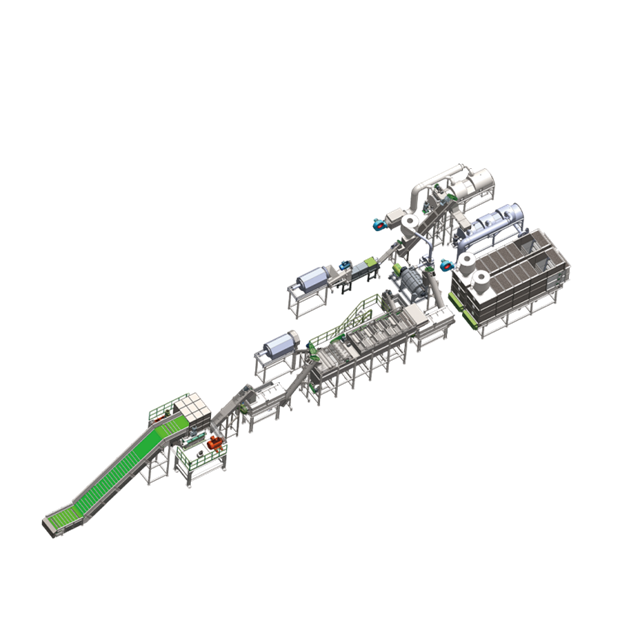
Building a functional internal recycling loop relies on three distinct operational pillars. If any of these pillars fail, the entire system risks producing substandard material that can damage primary production equipment.
Capturing scrap at the point of generation presents a major logistical challenge. Thermoforming trim, injection molding sprues, and blow molding flash must be collected immediately to prevent contamination. Floor sweepings and mixed-polymer bins destroy the viability of closed-loop recycling. Implementing strict color-coding and material-coding protocols prevents cross-contamination before the scrap reaches the recycling area. Operators must be trained to separate materials by grade, color, and melt flow index right at the machine side.
The physical transformation stage converts raw industrial waste back into standardized pellet form. This operational flow moves from size reduction to pelletization. Scrap enters a shredder or granulator, reducing large purgings or film rolls into uniform flakes. These flakes then pass through an extruder, where they are melted, filtered, and degassed. The final step involves cutting the molten plastic into uniform pellets, cooling them, and storing them in silos for future use. Consistency in flake size directly impacts the efficiency of the extruder.
Feeding reprocessed pellets back into the primary production extruders or molding machines requires precision. Automated blending systems ensure precise volumetric or gravimetric ratios of virgin-to-recycled material. Gravimetric blenders weigh each component before mixing, providing the highest level of accuracy. This prevents sudden shifts in material viscosity that could cause short shots in injection molding or gauge variations in film extrusion. The re-integration process must be seamless, requiring no manual intervention from the machine operators.
Understanding the machinery is essential for configuring a system that handles specific scrap profiles. Each component must be sized and specified based on the volume and type of material generated by the facility.
Primary size reduction depends entirely on the scrap form. Heavy purgings require single-shaft shredders with high torque and low RPM to break down the dense plastic without generating excessive heat. Film rolls and thin-walled rigid rejects typically go straight into a granulator. Rotor designs, screen sizes, and dust separation technologies play a massive role here. If the granulator produces too many fines (dust), these tiny particles will burn in the extruder, causing black specks in the final product. A high-quality dust separation system removes these fines before the material enters the next stage.
Determining when a plastic washing line factory setup is strictly necessary depends on the contamination level. Clean, dry post-industrial scrap usually bypasses washing entirely. However, if the scrap is contaminated with oils, paper labels, dust, or floor sweepings, a plastic washing line becomes mandatory. Processing dirty material without washing destroys extruder screens and degrades the polymer.
A standard washing setup includes several stages. Friction washers use high-speed rotors to scrub contaminants from the plastic flakes. Sink-float tanks separate materials based on density, allowing heavy contaminants like glass or metal to sink while the plastic floats. Centrifugal dryers then remove excess moisture before the flakes enter the extruder. Facilities must also account for water treatment and closed-loop water circulation to manage operational costs and comply with environmental discharge regulations.
The transition from flake to pellet happens in the extruder. The material melts under high heat and pressure, passing through a screen changer that filters out any remaining unmelted particles or impurities. The critical role of the plastic pelletizing system is homogenizing the material and cutting it into uniform shapes. Strand pelletizing works well for highly viscous polymers, drawing molten strands through a water bath before cutting them. Water-ring or die-face pelletizing is often preferred for materials like LDPE, cutting the pellets directly at the die face and cooling them instantly in a water stream.
Selecting the right machinery requires mapping specific equipment features to desired production outcomes. Buying off-the-shelf equipment without analyzing the factory's unique scrap profile leads to bottlenecks and poor pellet quality.
Sizing the machinery correctly prevents operational headaches. Under-sizing the equipment creates scrap bottlenecks, forcing the facility to store gaylords of waste on the production floor. Over-sizing wastes energy and capital, as the machines run below their optimal capacity. A good rule of thumb is to size the recycling line to handle 120% of the factory's average monthly scrap generation. This provides a buffer for production spikes and allows for scheduled maintenance downtime without backing up the scrap stream.
Continuous melt filtration systems handle residual impurities without requiring line shutdowns. Dual-piston screen changers allow operators to swap dirty screens while the extruder continues running, maintaining steady throughput. Vacuum degassing zones in the extruder are equally important. They remove moisture and volatile organic compounds (VOCs) from the molten plastic. If moisture remains in the melt, it creates voids and structural weaknesses in the final molded parts. High-performance degassing is non-negotiable when processing hygroscopic materials like PET or nylon.
Modern recycling lines utilize automated feeding systems, such as conveyors with metal detectors and nip rollers for film scrap. Smart PLC controls monitor motor loads, temperatures, and pressures, automatically adjusting feed rates to prevent extruder surging. This level of automation reduces the need for dedicated, full-time operators. A single technician can often oversee the entire recycling process, from loading the shredder to monitoring the silo levels, significantly lowering operational labor costs.
Installing heavy processing machinery inside an existing manufacturing plant requires careful spatial and infrastructural planning. Plant managers must evaluate several physical and operational constraints before committing to an installation.
Recycling lines require significant floor space. Shredders, extruders, cooling baths, and bagging stations take up a large footprint. Ceiling height is another major factor, especially when installing storage silos or large gravimetric blenders. The proximity of the recycling line to the primary production floor impacts forklift traffic and material handling logistics. Ideally, the recycling area should be isolated enough to contain noise and dust, but close enough to minimize the distance scrap must travel.
Running shredders, extruders, and dryers requires substantial electrical power. Plant engineers must calculate the kW/kg energy cost of processing the scrap. This energy expenditure must be weighed against the cost savings of displaced virgin resin. In most cases, the energy cost to reprocess a kilogram of scrap is a fraction of the cost to purchase a new kilogram of virgin material. However, facilities must ensure their electrical infrastructure can handle the additional load, often requiring new transformers or upgraded switchgear.
Industrial recycling equipment experiences heavy wear and tear. Granulator blades dull quickly when processing abrasive materials. Extruder screws wear down over time, reducing throughput and mixing efficiency. Filter screens are a constant consumable. Selecting OEMs that offer localized spare parts availability and responsive technical support is critical. Waiting weeks for a replacement screw from an overseas manufacturer can shut down the entire internal recycling loop, forcing the plant to revert to buying virgin resin.
Integrating a new process into an established manufacturing environment carries inherent risks. Proactive mitigation strategies ensure the recycling line enhances production rather than disrupting it.
Contamination is the enemy of closed-loop recycling. A single stray piece of metal or a handful of incompatible polymer can ruin an entire batch of pellets. Protocols for segregating scrap at the source must be strictly enforced. Color sorting and polymer separation prevent cross-contamination before the material reaches the recycling line. Regular audits of the scrap collection bins help identify training gaps on the production floor.
Every time plastic is melted, its polymer chains break down slightly. This repeated heat history lowers the material's mechanical properties. Mitigation strategies include using gentle melting technologies, optimized screw geometries that minimize shear stress, and the strategic use of additives. Antioxidants and impact modifiers can be introduced during the extrusion phase to rebuild the polymer's strength, ensuring the recycled pellets perform identically to virgin resin.
Jumping straight into a full-scale installation often leads to unforeseen challenges. A step-by-step adoption plan reduces risk. Start with a pilot run using toll processors. Send a few truckloads of factory scrap to an external recycling facility, audit the resulting pellet quality, and test those pellets in the primary production machines. Once the acceptable regrind ratio and quality parameters are established, execute a phased installation of the in-house line, starting with size reduction equipment before moving to full extrusion and pelletizing.
A: The general industry threshold is typically 30-50 tons per month. This volume justifies the capital expenditure and operational costs, depending on the specific polymer value and the size of the equipment installed.
A: No. A washing line is only needed if the scrap is contaminated with dirt, oils, labels, or floor sweepings. Clean, post-industrial rejects can often be dry-processed immediately through shredding and extrusion.
A: It utilizes optimized screw design, precise temperature control, and vacuum degassing. These features minimize thermal stress, prevent excessive shear, and remove moisture defects during the melting phase.
A: While possible for non-critical parts, a closed-loop system usually blends 10% to 30% recycled pellets with virgin resin. This maintains strict mechanical properties and prevents cumulative heat degradation across multiple cycles.
A: Hidden costs include blade sharpening and replacement, screen changer consumables, high energy consumption, and potential water treatment or discharge costs if a washing line is utilized.
A: Facilities generally see a return on investment within 12 to 24 months. This timeframe is contingent on virgin resin prices, local landfill fees, and the consistent volume of internal scrap generated.


