
- All
- Product Name
- Product Keyword
- Product Model
- Product Summary
- Product Description
- Multi Field Search
 English

Views: 0 Author: Site Editor Publish Time: 2026-07-23 Origin: Site


The economic viability of PET recycling hinges on the final material grade. The price delta between food-grade rPET (bottle-to-bottle) and downcycled fiber-grade PET dictates plant profitability. Processing PET waste exposes the polymer to thermal stress, moisture, and contamination. These factors lead to hydrolytic degradation, loss of intrinsic viscosity (IV), and yellowing. Achieving high-value rPET requires evaluating specific mechanical and thermal processing capabilities. You cannot simply melt dirty flakes and expect bottle-grade output. This guide breaks down how specialized machinery preserves polymer integrity and the technical criteria required to evaluate these systems.
Defining quality in recycled PET requires measuring specific metrics. Target intrinsic viscosity levels must align with the intended end product. Bottle-grade applications typically require an IV of 0.78 to 0.84 dl/g. Color and clarity metrics dictate whether the material works for clear packaging. Parts-per-million (ppm) contamination limits determine food-grade compliance. Failing to control the recycling environment directly impacts these metrics through several degradation pathways.
Moisture reacts aggressively with PET at high temperatures. When wet PET flakes enter an extrusion system, water molecules attack the ester bonds within the polymer chains. This chemical reaction breaks long chains into shorter fragments. The result is a catastrophic drop in intrinsic viscosity. The direct correlation between residual moisture in flakes and IV drops during extrusion means even minor moisture retention downgrades the final material. Operators must maintain strict moisture control before the material reaches the melt phase.
| Moisture Content Before Extrusion | Expected IV Drop (dl/g) | Resulting Material Grade |
|---|---|---|
| > 1.0% (Poorly Dried) | 0.15 - 0.20 | Low-grade fiber / Strapping |
| 0.5% - 1.0% (Standard Mechanical Drying) | 0.08 - 0.12 | Thermoforming / Sheet |
| < 0.05% (Desiccant Drying / Deep Vacuum) | 0.02 - 0.04 | Bottle-to-Bottle (Food Grade) |
Polymer chains break down under excessive shear stress and prolonged residence time in the extruder barrel. Mechanical friction from the extruder screw generates heat. If the material sits in heated zones too long, the polymer degrades thermally. This degradation generates acetaldehyde. Acetaldehyde causes severe polymer yellowing and alters the taste of bottled beverages. Minimizing shear stress while achieving a homogeneous melt requires specialized screw geometries.
PVC contamination presents a massive threat to PET processing. PVC degrades at standard PET processing temperatures, generating hydrochloric acid. This acid destroys the surrounding PET batch and causes severe corrosive damage to machinery. Residual paper labels, plastic sleeve labels, and adhesive residues cause discoloration and black spots. They completely ruin the optical clarity of the final rPET melt. Polyolefin caps (HDPE or PP) frequently enter the melt stream if not separated. These materials do not mix with PET. They alter the physical properties of the recycled plastic, causing structural weaknesses in molded products.
Transforming post-consumer bales into high-purity flakes requires a sequence of mechanical stages. A complete plastic recycling machine for PET waste integrates multiple specialized components. These handle pre-treatment, sorting, size reduction, washing, and drying.
The process begins by breaking apart compacted bales of post-consumer bottles. Automated label scrapers, known as delabelers, remove sleeve labels (PVC/PETG) and paper labels before size reduction. Separating labels early protects downstream washing chemistry. If bottles are crushed with labels attached, friction and heat cause adhesive contamination to bake onto the PET surface. This makes the glue nearly impossible to remove later.
Integrating Near-Infrared (NIR) and color sorting systems allows facilities to automatically separate PET from non-PET containers. These optical sorters identify and eject non-conforming colored bottles that ruin clear PET batches. Automated metal detectors sit on conveyor lines to identify ferrous and non-ferrous metals. Removing these metals protects downline cutting tools and extrusion screws from catastrophic damage.
Size reduction typically occurs in two stages. Heavy-duty single or dual-shaft shredders handle initial bale breakdown, tearing bottles into coarse pieces. High-speed granulators then cut the material into uniform flakes. The blade design and rotor configuration in a wet plastic bottle crusher minimize fines and dust generation. Wet grinding involves adding water directly into the crushing chamber. This reduces friction heat, washes away initial dirt and sugary residues, and extends the operational life of cutting blades.
A specialized plastic washing line acts as the primary defense against organic and chemical impurities. Hot washing utilizes temperature-controlled friction washers and chemical detergents (caustic soda) to dissolve stubborn glues. Sink-float separation tanks utilize specific gravity differentials. PET has a density greater than 1.3 g/cm³ and sinks. Polyolefins like HDPE and PP caps have a density less than 1.0 g/cm³ and float. This allows for easy skimming and removal. Rinsing and neutralization stages ensure all caustic wash residues are thoroughly removed.
Removing moisture from washed flakes involves mechanical centrifugal dewatering followed by thermal desiccant drying. Centrifugal dryers spin flakes at high speeds to strip away surface water. Thermal dryers push heated, dry air through the material to extract absorbed moisture. Target moisture thresholds are strict. Standard processing requires less than 1% moisture. Direct extrusion systems demand less than 0.05%. Achieving these thresholds prevents hydrolytic degradation.
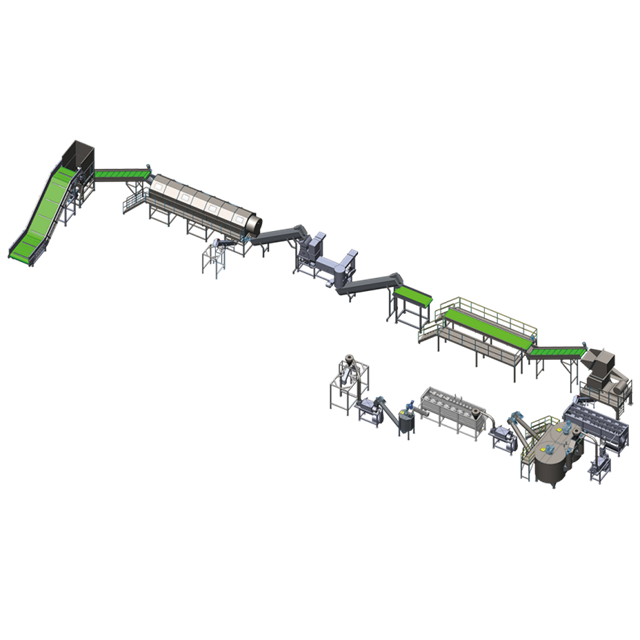
Assessing the thermal processing stage requires evaluating how equipment handles melting, degassing, and filtration. This stage determines the final mechanical properties of the rPET.
Double or triple-vented extruders equipped with high-vacuum pumps are necessary for processing PET flakes. These vacuum systems extract residual moisture, volatile organic compounds (VOCs), and monomers right before the melt phase. Pulling a deep vacuum removes these elements before they react with polymer chains under heat. This prevents hydrolytic degradation and allows operators to process flakes without extensive pre-drying silos.
Evaluating continuous piston-type screen changers versus continuous backflush systems is a critical step in system design. Melt filtration removes microscopic impurities like unmelted paper fibers, aluminum specks, or degraded polymer gels. Operators must balance micron-level filtration with the need to minimize pressure spikes and shear stress. Backflush systems automatically clean filter screens by reversing melt flow. This allows continuous operation without shutting down the line for manual screen changes.
| Filtration Type | Operational Mechanism | Best Application |
|---|---|---|
| Standard Dual-Piston | Manual screen changes without stopping the line. | Clean, highly sorted post-industrial PET scrap. |
| Continuous Backflush | Uses melt pressure to purge contaminants from screens automatically. | Post-consumer PET with moderate paper/aluminum contamination. |
| Laser Filter (Rotary) | Continuous scraping of a rotating screen cylinder. | Highly contaminated streams requiring high throughput. |
Vetting a plastic pelletizing machine manufacturer requires looking at specific technological offerings. Determine if they offer underwater pelletizing versus traditional strand pelletizing. Underwater systems cool the melt immediately at the die face. This prevents oxidation and ensures uniform spherical pellet geometry. Assess the manufacturer's ability to customize screw geometry. The length-to-diameter (L/D) ratio and compression ratio must be tailored specifically for PET's unique rheological properties to ensure gentle melting.
Solid State Polycondensation (SSP) serves as the final step to rebuild polymer chains and increase intrinsic viscosity for bottle-to-bottle applications. The SSP process heats amorphous PET pellets in a vacuum or inert gas environment to temperatures just below their melting point. This causes short polymer chains to link together, increasing molecular weight and IV. SSP also provides critical decontamination capabilities. Extracting microscopic volatile contaminants under high vacuum allows the final rPET to achieve FDA and EFSA food-grade compliance.
Designing a recycling facility involves balancing competing operational priorities. Plant managers must make calculated decisions regarding output quality versus total volume.
Operators face a constant trade-off between aggressive sorting and washing versus total material yield. Highly aggressive sorting parameters eject more marginal bottles, reducing the total volume of finished pellets. However, this strict rejection process guarantees ultra-high-purity rPET that commands a premium market price. Finding the exact balance depends on the target market for the final pellets.
Evaluating the operational expenditure of heating hot wash tanks, running thermal dryers, and powering high-vacuum extruders must be weighed against revenue generated per ton of output. High-throughput systems require massive energy inputs. Optimizing insulation, utilizing heat recovery systems, and selecting efficient motors help control energy costs while maintaining necessary throughput levels.
Sourcing individual components from different vendors allows for a highly customized line tailored to specific feedstock challenges. However, integrating disparate machines creates control system complexities and complicates warranty claims. Investing in an integrated, single-vendor turnkey recycling line ensures shredders, washers, and extruders communicate seamlessly. This reduces integration headaches but may limit flexibility if specific proprietary components are required.
Executing a PET recycling project involves significant engineering and operational risks. Proper planning prevents costly downtime and material degradation.
Underestimating space, water treatment, and power requirements for a full PET washing and pelletizing line is a common failure point. These systems require massive volumes of water and generate heavily contaminated effluent. Conduct comprehensive site audits prior to equipment purchase. Integrate closed-loop water filtration systems to manage wastewater, reduce municipal water draw, and ensure compliance with local environmental discharge regulations.
Inconsistent input bales cause severe process instability. Varying levels of PVC, moisture, and non-PET plastics force operators to constantly adjust washing temperatures and extruder parameters. Implement automated optical sorting prior to the crushing stage to standardize feedstock quality. Removing variability before material enters the wash line ensures downstream equipment operates within designed tolerances.
Machine downtime and rapid wear of extruder screws or crusher blades frequently result from improper operation. Running equipment with incorrect temperature profiles or failing to clear jams immediately causes cascading mechanical failures. Establish strict preventative maintenance schedules to prevent unexpected breakdowns. Demand comprehensive training programs from the equipment manufacturer to ensure on-site staff understand specific mechanical thresholds.
A: IV loss is primarily caused by hydrolytic degradation, which occurs when melting PET while it still contains moisture. Thermal degradation from excessive heat and shear stress in the extruder also breaks down polymer chains, resulting in lower intrinsic viscosity.
A: A specialized line uses hot friction washing and specific gravity separation to remove adhesives, organic contaminants, and polyolefin caps. If left in the material stream, these contaminants burn during extrusion, discolor the melt, and ruin the entire PET batch.
A: Standard machines lack the necessary deep vacuum degassing systems and specific screw geometries required for PET. Without these features, the material suffers severe hydrolytic and thermal degradation, making it unsuitable for high-value applications.
A: SSP heats PET pellets in a vacuum or inert gas environment just below their melting point. This process links shorter polymer chains together, increasing intrinsic viscosity while extracting microscopic volatile contaminants to achieve food-grade compliance.
A: PVC degrades at the high temperatures required to melt PET. When it degrades, it releases hydrochloric acid. This acid destroys surrounding PET polymer chains, causes severe black spots, and corrodes internal metal components of the extrusion machinery.
A: Adding water during the crushing process reduces friction heat, preventing plastic from melting and sticking to blades. It also washes away initial dirt and sugary residues, extending blade life and significantly reducing dust generation.


