
- All
- Product Name
- Product Keyword
- Product Model
- Product Summary
- Product Description
- Multi Field Search
 English

Views: 0 Author: Site Editor Publish Time: 2026-07-30 Origin: Site


Manual resin and pellet handling creates a severe operational bottleneck in high-volume plastic production environments. Operators constantly haul heavy bags, maneuver gaylords, and navigate forklift traffic, leading to a chaotic and hazardous factory floor. This decentralized approach to material transport compounds costs through ergonomic injury risks, material spillage, inconsistent machine feeding, and significant labor dependency.
To overcome these challenges, facilities must shift from isolated, machine-side hopper loaders to a fully integrated central feeding system for plastic factory operations. This transition is a strategic necessity for standardizing material delivery, optimizing floor space, and mitigating the risks associated with manual labor. By automating the flow of resins and additives, manufacturers achieve a cleaner, safer, and more efficient production environment.
Manual material handling places immense physical strain on operators. Lifting 25kg bags of resin and maneuvering heavy gaylords throughout an eight-hour shift significantly increases the risk of musculoskeletal injuries. These ergonomic hazards lead to higher workers' compensation claims, increased absenteeism, and a general decline in workforce morale. The physical toll of manual handling directly translates into labor inefficiencies. Fatigued workers are more prone to errors and slower production rates.
The constant movement of forklifts and pallet jacks near injection molding machines creates severe spatial constraints and safety hazards. Navigating narrow aisles congested with material handling equipment increases the likelihood of collisions and accidents. This chaotic environment disrupts the workflow and forces operators to constantly remain vigilant, detracting from their primary task of monitoring machine performance and product quality. When operators spend half their shift acting as material movers, the actual processing parameters often drift out of spec.
Manual transfer and machine loading inevitably result in spilled resin, colorants, and pellets. These spills represent hidden costs that quickly accumulate over time. Lost raw materials directly impact the bottom line, while the time spent cleaning up spills diverts labor away from productive tasks. Spilled pellets also create severe slip-and-fall hazards on the factory floor, further compromising workplace safety.
Open-air manual handling exposes sensitive materials to moisture and dust contamination. Many engineering resins, like PET and nylon, are hygroscopic and absorb ambient moisture rapidly. This leads to processing defects like splay and reduced mechanical strength in the final product. Airborne dust from the factory environment easily contaminates open gaylords and hoppers. In contrast, a closed-loop central feeding system provides strict environmental control, protecting materials from ambient humidity and particulate contamination.
The manual pouring of plastic resins and additives generates significant amounts of airborne plastic dust. When this dust accumulates in confined spaces or settles on hot processing machinery, it creates a severe risk of dust explosions. Combustible dust hazards are a major concern in plastic manufacturing, requiring rigorous housekeeping and specialized ventilation systems to manage effectively.
Transitioning to automated, enclosed conveying mitigates these risks by containing the material and preventing dust generation. Enclosed systems also address static electricity hazards. The friction generated during pneumatic conveying creates static charges, which pose a spark ignition risk in dusty environments. Properly grounded central feeding systems eliminate static buildup, ensuring a safe and compliant production environment.
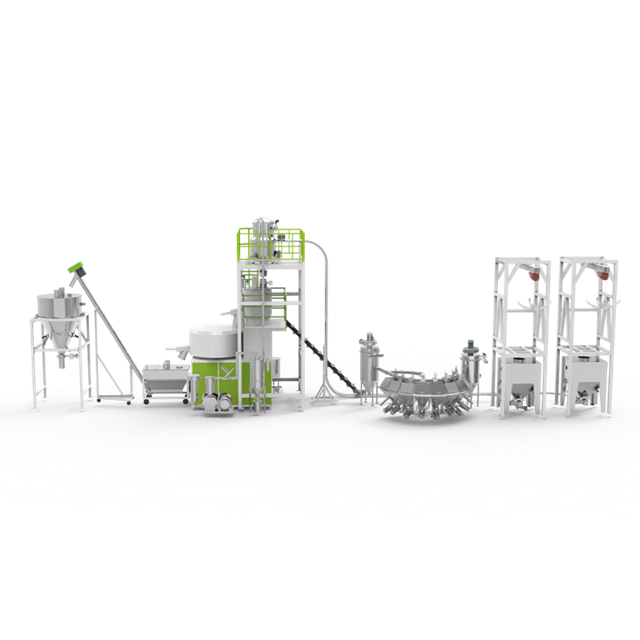
Negative pressure technology forms the backbone of a central feeding system factory setup. Powerful vacuum pumps and blower units create suction that safely and consistently moves bulk materials over long distances through a network of pipes. This pneumatic conveying method transports pellets and powders from storage areas directly to the processing machines without human intervention, ensuring a continuous and reliable material supply.
Centralized vacuum generation offers significant redundancy and efficiency advantages compared to individual machine-side motors. A central pump station serves multiple machines simultaneously, optimizing energy consumption and reducing overall maintenance requirements. If one pump requires servicing, redundant units seamlessly take over the load, preventing costly production downtime. Plant managers no longer need to stock dozens of different replacement motors for individual hopper loaders.
A key component of the system is the consolidation of silos, specialized storage barrels, day bins, and drying equipment into a dedicated material room. This isolates the bulk material handling from the active production floor, freeing up valuable space and reducing noise levels near the processing machines. The systematic arrangement of storage barrels and bulk bins ensures organized inventory management and prevents cross-contamination during storage.
Automated routing valves and distribution manifolds replace the manual switching of hoses and material lines. These manifolds act as the central nervous system for material flow, directing specific resins to designated machines based on production requirements. This automated routing eliminates the risk of human error in material selection and ensures that the correct material always reaches the correct machine.
Programmable Logic Controllers (PLCs) provide real-time monitoring and control of material consumption across the entire facility. These sophisticated interfaces track inventory levels, monitor vacuum pressure, and manage the operation of pumps and valves. Operators view the status of the entire system from a single touchscreen panel, allowing for quick adjustments and proactive troubleshooting.
Sensor-driven data triggers automated replenishment cycles, completely removing the operator from the feeding process. Level sensors in the machine hoppers communicate with the central PLC, signaling when more material is needed. The PLC then activates the appropriate valves and pumps to deliver the precise amount of resin required, ensuring that machines are never starved of material.
Removing auxiliary equipment like dryers, individual hoppers, and material bags from the machine side dramatically improves floor space utilization. This uncluttered environment allows for better workflow, easier access for machine maintenance, and more efficient use of the available footprint. Facilities often fit more production lines into the same space when they implement a centralized feeding system.
Eliminating dust generation from manual pouring is necessary for facilities striving to meet stringent ISO cleanroom standards. Medical and electronic component manufacturing require exceptionally clean environments. By containing the material within enclosed pipes, central feeding systems prevent airborne particulate contamination, improving overall housekeeping and ensuring compliance with strict industry regulations.
The reduction of localized material handling directly decreases the risk of workplace slip-and-fall injuries caused by stray plastic pellets. A cleaner floor is a safer floor. By centralizing the material flow, facilities minimize the presence of loose pellets in high-traffic areas, protecting workers from common industrial accidents.
Consolidating hazardous electrical and mechanical equipment away from operator walkways further improves industrial safety metrics. Centralizing vacuum pumps and large drying hoppers in a dedicated material room isolates noise, heat, and moving parts from the primary production area. This separation creates a safer and more comfortable working environment for machine operators.
Continuous, automated material delivery prevents starved machines and maintains stable production cycles. Manual feeding relies on operators noticing low hopper levels and replenishing them in time. Delays in this process lead to interrupted production, inconsistent part weights, and increased scrap rates. Automated systems ensure a constant supply of material, stabilizing the process and improving overall product quality.
The system also significantly reduces machine downtime previously caused by manual material changeovers and operator delays. Automated purging and line-clearing sequences allow for rapid material changes without manual intervention. This efficiency maximizes machine uptime and increases the overall throughput of the facility.
| Operational Metric | Manual Handling | Central Feeding System |
|---|---|---|
| Material Spillage | High (Frequent spills during bag opening and pouring) | Near Zero (Enclosed vacuum transport) |
| Operator Strain | High (Lifting 25kg bags, moving gaylords) | Low (System monitoring via PLC) |
| Machine Uptime | Variable (Dependent on operator attention) | High (Automated sensor-driven replenishment) |
| Floor Space | Cluttered (Machine-side dryers, bags, pallets) | Optimized (Equipment moved to central material room) |
Proper sizing requires a framework for matching vacuum pump capacity, blower sizing, and pipe diameters to the factory’s maximum kg/hr consumption rates. Engineers analyze the peak material demand of all machines running simultaneously to ensure the system handles the load without pressure drops or material blockages. Undersized systems struggle to keep up with production, while oversized systems waste energy.
Calculating distance, elevation changes, and the number of feeding points determines the required vacuum pressure. Longer conveying distances and vertical lifts require more powerful pumps to overcome friction and gravity. The complexity of the piping network, including the number of bends and distribution manifolds, impacts the overall system design and equipment selection.
Pipe material options must be evaluated based on the abrasiveness of the resins used. Standard stainless steel piping is suitable for most general-purpose plastics. Highly abrasive materials like glass-filled nylon require specialized hardened steel or glass piping to prevent premature wear and blowouts. Selecting the correct pipe material ensures the longevity and reliability of the conveying network.
The system must address the requirements for handling regrind materials alongside virgin pellets. Regrind often has irregular shapes and higher dust content, causing flow issues in standard piping. Systems designed to handle regrind require larger pipe diameters, specialized cyclone receivers, and enhanced dust filtration to prevent clogs and maintain consistent conveying velocities.
Compatibility checks are required when connecting a new system to legacy hoppers, gravimetric blenders, and drying systems. The central feeding equipment must seamlessly interface with the existing auxiliary units to ensure accurate dosing and moisture control. This involves custom transition pieces and specialized mounting hardware to adapt the new receivers to older machine throats.
Defining the communication protocols needed between the central PLC and individual machine controllers is essential for seamless integration. The central system receives signals from the machine hoppers and blenders to initiate feeding cycles. Standardized industrial protocols like Ethernet/IP or Modbus establish reliable communication between the disparate control systems.
Balancing the upfront installation and hardware costs against long-term reductions in labor, material waste, and energy consumption is a primary consideration. While the initial CapEx for a central feeding system is significant, the OpEx savings justify the investment. Reduced reliance on manual labor lowers payroll expenses and workers' compensation costs. Decreased material spillage and improved energy efficiency further contribute to a rapid return on investment.
A realistic framework for calculating the break-even point of the investment involves analyzing current material handling costs, scrap rates, and machine downtime. By quantifying these inefficiencies, facilities accurately project the financial benefits of automation and determine the payback period for the new system.
Fixed piping networks present limitations when a factory needs to frequently reconfigure its layout or add new machine lines. Hard-piped systems are difficult and expensive to modify once installed. Facilities with highly dynamic production environments must carefully consider the placement of main trunk lines and distribution manifolds to accommodate future changes.
Modular system designs offer easier expansion capabilities and greater flexibility. Utilizing flexible hose connections at the machine drops and designing manifolds with spare ports allows for quicker reconfigurations and the seamless addition of new equipment. This modular approach ensures the feeding system adapts to the evolving needs of the facility.
The risk of production halts during installation is a major concern for busy manufacturing plants. Ripping out old equipment and installing a new central system requires careful planning to minimize disruption. Unplanned downtime severely impacts delivery schedules and profitability.
Phased implementation strategies maintain partial factory output while the system is integrated. This involves installing the central vacuum pumps, material room equipment, and main trunk lines while the machines continue to operate on local loaders. The final connections to the individual machines are completed during scheduled maintenance windows or weekends, minimizing overall production impact.
Material clogging in pneumatic lines is a common issue caused by incorrect pipe bends, inadequate purge cycles, or conveying materials with high moisture content. Blockages disrupt production and require time-consuming manual clearing. Identifying the root causes of these blockages maintains system reliability.
Mitigation tactics include the installation of line-clearing purge valves, regular static grounding checks, and routine filter maintenance schedules. Purge valves ensure the lines are completely empty after each conveying cycle, preventing material buildup. Clean filters maintain optimal vacuum pressure and prevent dust from entering the pumps, ensuring efficient and reliable operation.
The transition of factory staff from manual material handlers to system monitors and technicians requires effective change management. Operators must learn how to interact with the new PLC interfaces, troubleshoot minor alarms, and perform basic preventative maintenance. Resistance to new technology hinders the successful adoption of the system.
Vendor-provided training bridges the technical skills gap and ensures operators are comfortable with the new equipment. Comprehensive training programs cover system operation, safety procedures, and basic troubleshooting techniques. Empowering operators with the knowledge to manage the system effectively maximizes the return on investment and ensures long-term operational success.
A: The typical ROI timeline ranges from 12 to 24 months, depending on the scale of the installation and the specific labor and material savings achieved. Facilities with high manual handling costs and significant material waste often see a faster payback period.
A: Yes, systems utilize dedicated distribution manifolds, automated routing valves, and line-clearing purge cycles to ensure different resins and colors are conveyed sequentially without mixing or cross-contamination.
A: A centralized layout consolidates bulk storage and vacuum pumps in a dedicated material room, removing clutter, noise, and heat from the production floor. This significantly improves space utilization and reduces slip-and-fall hazards associated with spilled pellets.
A: Routine maintenance includes cleaning and replacing dust filters, inspecting pipe connections for wear or leaks, verifying static grounding, and servicing vacuum pump motors and blowers according to the manufacturer's schedule.
A: Systems prevent degradation and "angel hair" by optimizing conveying velocities and using specialized pipe treatments. Dust-explosion hazards are mitigated through enclosed conveying, static grounding, and efficient dust filtration systems.
A: Yes, retrofitting is common. Integrators design custom piping routes and transition pieces to connect new central feeding equipment to legacy molding machines and existing auxiliary units.


