
- All
- Product Name
- Product Keyword
- Product Model
- Product Summary
- Product Description
- Multi Field Search
 English

Views: 0 Author: Site Editor Publish Time: 2026-07-23 Origin: Site


Modern material recovery facilities face a persistent operational challenge. The inherent variability of post-consumer and post-industrial plastic waste creates severe, unpredictable bottlenecks in daily throughput. Manual interventions, isolated legacy machinery, and inconsistent material feeding lead to fluctuating yields. You also deal with unexpected downtime and degraded end-product quality. Cutting-edge recycling technologies promote a closed-loop circular economy. They bridge the gap between initial material design, high-precision separation, and automated reprocessing. Investing in comprehensive plastic recycling line automation is no longer just an efficiency play. It acts as a baseline requirement for achieving predictable, scalable, and cost-effective output. Plant managers need reliable systems to handle varying contamination levels without constant manual adjustments. Automation replaces guesswork with continuous, sensor-driven control.
Stable output in a commercial recycling context means minimal variance in tons-per-hour. It requires a consistent pellet grade, predictable uptime, and minimized direct operative costs. When these factors fluctuate, plant efficiency drops. Understanding the root causes of this volatility helps operators target specific upgrades. Manual processes simply cannot react fast enough to the changing physical properties of incoming waste bales.
Manual or poorly regulated feeding takes a heavy mechanical toll on processing equipment. Operators often struggle to maintain a steady flow of material on the infeed conveyors. This leads to periods of starvation followed by sudden surges. These surges overload shredders and extruders. The equipment then triggers automatic shutdowns to protect the motors, or it suffers excessive wear on the cutting blades and rotor shafts. The constant starting and stopping disrupts the entire production flow. It significantly reduces overall daily throughput and increases the frequency of blade sharpening and replacement.
Consider the mechanics of a standard single-shaft shredder. When a massive clump of compacted PET bottles hits the rotor all at once, the amp draw spikes. A manual operator cannot pull the material back. The machine jams. Clearing a jammed shredder requires full lockout-tagout procedures, costing hours of lost production time. Automated feeding systems use load sensors to monitor the shredder's amp draw in real-time, slowing or reversing the feed conveyor before a jam occurs.
The washing phase presents unique challenges. Handling multi-layer packaging and high-contamination bales requires precise control. Thin layers in some packaging can delaminate prematurely during washing if conditions are too aggressive. Manual oversight fails to adjust friction, chemical dosing, and temperature parameters in real-time. This lack of precision leads to incomplete cleaning or unwanted material loss. You end up with a higher percentage of off-spec material that must be reprocessed or sent to a landfill.
In a typical hot wash setup, maintaining the exact caustic soda concentration and water temperature dictates the removal efficiency of glues and oils. If the temperature drops because a large batch of cold material enters the tank, manual operators rarely catch it in time. The resulting batch of flakes will carry residual adhesives. These adhesives will later burn in the extruder, causing black specks in the final pellets. Automation monitors these variables continuously, injecting steam or chemicals exactly when needed.
Specific technological interventions replace manual guesswork with automated precision. Focusing on integrated machine design ensures that all components work together seamlessly to stabilize output. You want a system where the shredder talks to the washer, and the washer talks to the extruder.
Automatic dewiring systems handle larger capacities safely. They decrease direct operative costs and eliminate initial feed bottlenecks. These systems remove the manual labor required to cut and pull steel wires from compacted bales. This speeds up the initial processing stage and removes a major safety hazard from the plant floor. Optical sorters and AI-driven recognition further stabilize the purity of the feedstock before it enters the shredder. They ensure that only the correct polymer types proceed down the line.
Closed-loop feedback systems between shredders, conveyors, and extruders embody a fully integrated machine design. Variable frequency drives (VFDs) and load sensors automatically adjust conveyor speeds to maintain a continuous, optimal feed rate. If the shredder detects an overload, the conveyor slows down automatically. This prevents jams and ensures a steady flow of material to the downstream equipment. Load balancing keeps the entire line running at its maximum sustainable capacity without stressing individual motors.
| Operational Metric | Manual Control | Automated Load Balancing |
|---|---|---|
| Conveyor Speed | Static, requires manual adjustment | Dynamic, adjusts via VFDs based on load |
| Shredder Amp Draw | Highly variable, frequent spikes | Stable, kept within optimal range |
| Jam Frequency | High, requires manual clearing | Near zero, auto-reverse prevents jams |
| Throughput Consistency | Fluctuates by up to 30% hourly | Maintained within 5% of target capacity |
Automation within a plastic pelletizing system includes melt pressure monitoring, automatic screen changing, and underwater pelletizing speed adjustments. These automated micro-adjustments prevent die-face freezing and ensure uniform pellet geometry. Consistent melt filtration and precise cutting speeds maximize the commercial value of the final yield. You produce high-quality pellets that meet strict industry standards for bulk density and melt flow index.
When contamination hits the extruder screen, melt pressure builds up rapidly. In an older system, an operator watches a gauge and manually swaps the screen. This stops production. An automated continuous screen changer detects the pressure differential and hydraulically slides a clean screen into place without stopping the melt flow. The pelletizer blade speed also adjusts automatically to match the exact extrusion rate, preventing the formation of longs or fines.
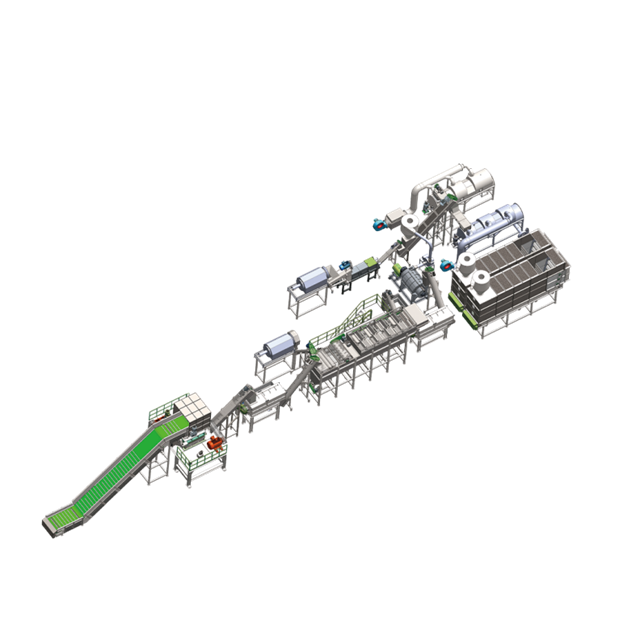
Connecting specific automation features to measurable business outcomes helps justify the equipment upgrades. Focus on how these technologies improve throughput, quality, and uptime. You need to look at the data generated by the machines to understand their true impact on your daily operations.
The emerging use of digital twins allows facilities to simulate and optimize tool construction and line flow without disrupting physical production. AI algorithms analyze historical performance data to optimize machine parameters. This directly saves production material, energy, and processing time. These digital tools provide actionable insights that lead to continuous improvement and higher overall throughput.
A digital twin models the exact physical layout of your plant. You can run simulations to see what happens if you increase the throughput of the friction washer by 15%. The software will tell you if the thermal drying system can handle the extra moisture load. This prevents you from making physical changes that cause unexpected bottlenecks downstream.
Automation standardizes output quality to meet the strict feedstock specifications required by mechanical, thermolysis, chemical, and biological recycling methods. Consistent feedstock preparation allows these advanced methods to function efficiently. Automated sorting and cleaning ensure that the material entering these processes is free of contaminants. Chemical recyclers require highly specific moisture and purity levels that manual sorting simply cannot achieve.
Automated dosing and chemical regulation in the plastic washing line ensure compliance with strict food-grade recycling standards. Precise control over cleaning parameters guarantees that contaminants are thoroughly removed. Transitioning to automated quality control significantly reduces the volume of off-spec material. You increase the yield of high-value, compliant recycled plastics.
Traditional break-fix maintenance leads to unpredictable downtime and lost production. Automated vibration and temperature monitoring provide predictive alerts that prevent catastrophic equipment failure. By identifying potential issues before they cause a breakdown, facilities can schedule maintenance during planned downtime. This stabilizes long-term monthly output metrics.
Vibration sensors mounted on the main extruder gearbox detect microscopic changes in bearing frequencies. Weeks before a bearing actually fails, the system alerts the maintenance team. They can order the replacement part and schedule the repair for a weekend shift. This avoids a mid-week breakdown that could halt production for days while waiting for parts.
Evaluating vendors requires looking beyond the initial equipment specifications to assess the overall integration capabilities. You need a partner who understands how data flows between different processing stages.
Open-architecture software with API connectivity allows a new washing line to communicate with existing upstream and downstream equipment. Working with a plastic washing line manufacturer that prioritizes unified, integrated machine design is superior to sourcing piecemeal, disconnected machinery components. Evaluate a manufacturer's track record with the specific polymer types your facility processes. Their equipment must handle your unique material stream.
Ask potential vendors about their control systems. Do they use proprietary PLCs that lock you into their service contracts, or do they use industry-standard platforms? Can their central control room software pull data from your existing shredders? A truly integrated system provides a single dashboard for the entire plant, rather than forcing operators to monitor five different screens.
Choose systems that allow for phased automation to manage capital expenditure effectively. Starting with automated feeding and upgrading to automated sorting later allows facilities to spread the cost over time. Modular designs provide the flexibility to adapt to changing market demands and technological advancements. You might not need AI-driven optical sorting today, but your conveyor layout should leave physical space for it tomorrow.
Overhauling a recycling line involves implementation realities that must be addressed to ensure a successful transition. You will face physical installation challenges and workforce adjustments.
The high upfront cost of automation requires careful planning. Calculate ROI based on labor reduction, decreased energy consumption, and the premium pricing of higher-quality, consistent pellets. A realistic assessment often reveals that the long-term savings and increased revenue quickly offset the initial investment. Energy savings alone from VFD-controlled motors can reduce monthly utility bills significantly.
Operator resistance and the skills gap pose significant risks during implementation. Mitigate this by utilizing comprehensive vendor training programs. Transition staff from manual laborers to system monitors. Empower them to oversee the automated processes and intervene only when necessary. Proper training ensures a smooth workflow transition and maximizes the benefits of the new technology.
Automation cannot fix fundamentally unrecyclable feedstock. Set strict inbound material specifications to ensure the automated line performs within its engineered tolerances. While automated systems can handle a degree of variability, heavily contaminated or unsuitable materials will still cause issues. Clear specifications protect the equipment and maintain output quality. If a supplier sends bales with 40% PVC contamination to a PET line, even the best optical sorters will struggle to maintain throughput.
A: The ROI timeline typically ranges from 18 to 36 months depending on scale. This calculation focuses on labor savings, energy efficiency improvements, and the ability to command premium pricing for consistent, high-quality pellets.
A: Automation enables real-time adjustments to water temperature, friction, and chemical dosing. This precision prevents the premature delamination of multi-layered materials and ensures consistent purity throughout the washing process.
A: Automated dewiring increases throughput capacities by efficiently handling larger volumes of material. It eliminates the manual labor safety hazards associated with the bale-breaking stage, reducing labor costs and potential injury claims.
A: While optical sorters and automated dewiring help manage contamination, severe contamination still requires pre-sorting or specialized chemical/thermolysis integration. Automation has limits and cannot process fundamentally unrecyclable materials.
A: Automated pelletizing systems feature automatic screen changers and precise melt pressure regulation. These controls prevent unexpected downtime and ensure uniform pellet size and quality, stabilizing the final output.
A: Digital twins are virtual models that simulate material flow and machine performance. They optimize tool construction and line flow without disrupting physical production, reducing energy consumption, material waste, and machine downtime.


