- All
- Product Name
- Product Keyword
- Product Model
- Product Summary
- Product Description
- Multi Field Search
 English

Views: 488 Author: Site Editor Publish Time: 2026-06-22 Origin: Site


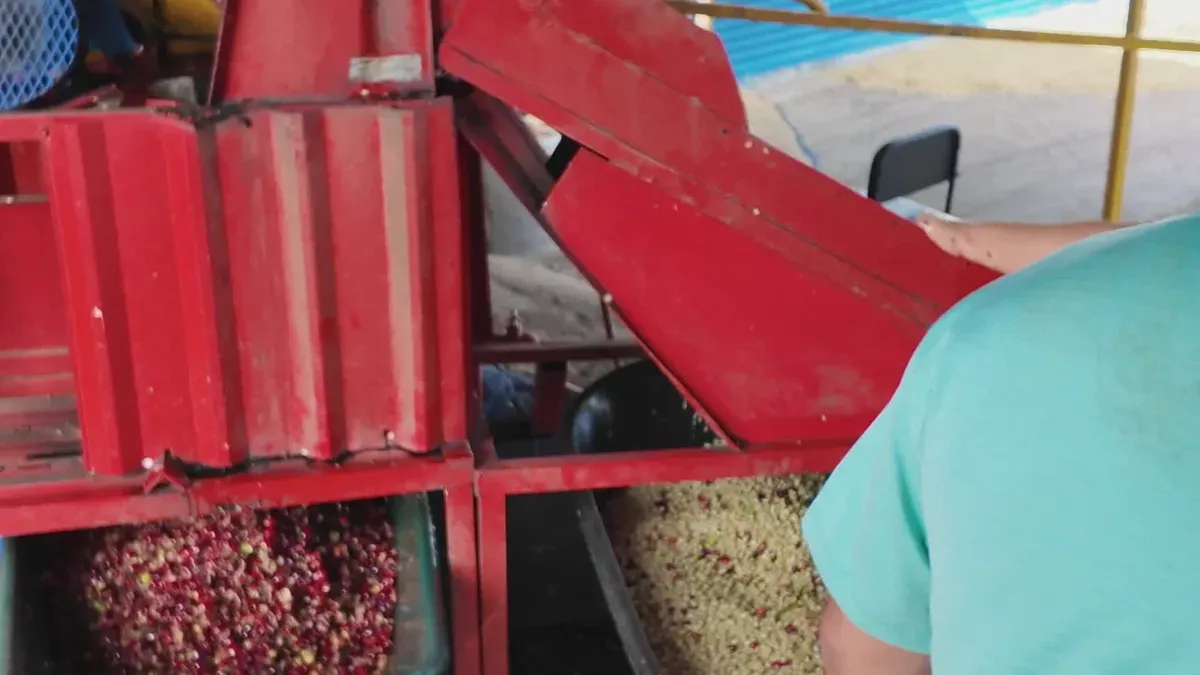
Before purchasing a plastic shredder machine for your business, you should consider several important factors. Selecting the right plastic shredder machine is essential for achieving your recycling goals and avoiding costly errors. Choosing the wrong plastic shredder machine can create issues in recycling and waste management, resulting in wasted time and increased expenses. The ideal plastic shredder machine should match your business requirements, enabling your company to contribute to the circular economy. With the global plastic recycling market projected to reach $60 billion by 2030, businesses still face challenges in sourcing quality plastic waste and reprocessed resins.
Your role is crucial in advancing plastic recycling and improving waste management by investing in the right plastic shredder machine.
Look at how much plastic waste you have each day. This helps you pick the right shredder size. The right size stops slowdowns and helps you work faster.
Know how much plastic you need to shred. Make sure the shredder can handle your needs. This stops waste and helps you work better.
Check if the shredder works with your plastics. Make sure it can shred the types you use. This lowers repair costs and makes the machine last longer.
Safety is important. Pick machines with emergency stops and overload protection. User-friendly controls also help keep your team safe.
Make a plan to take care of your shredder. Regular care stops breakdowns and expensive repairs. This keeps your shredder working well.
Think about all costs, not just the price to buy. Remember to include running costs, care, and repairs. This helps you make a smart choice.
Pick a supplier you can trust. A good company gives you reliable machines and support. This helps you avoid problems later.
Make your shredder fit your business. Special features can help your recycling work better and faster.
Picking the right shredder size helps your business work well. You should figure out how much plastic waste you make each day or week. This step stops slowdowns and keeps things running smoothly. If your machine is too small, your work will slow down. Automated shredders cut down on manual work. Your team can spend more time on important jobs.
Tip: Bigger machines move more plastic and keep work steady in busy factories.
Throughput shows how much plastic a shredder can handle in a set time. You need to know how much plastic you want to shred each hour. Here are some steps to help:
Find out how much plastic waste you make daily or weekly.
Decide how much plastic you need to shred each hour.
Pick a shredder that can handle this amount or more.
Matching throughput to your needs stops waste and boosts productivity.
Material compatibility is important for how long your shredder lasts and how often it needs fixing. You should know what kinds of plastics your business uses. Industrial shredders often work with:
HDPE
LDPE
PVC
PET
Polypropylene
Polystyrene
Mixed or dirty plastics
Hard plastics like bins, buckets, tanks
Plastic bottles and packaging film
Scrap from extruders or injection molding
The kind of plastic you shred affects how tough your machine needs to be. Softer plastics are easier on the shredder. Hard plastics can wear it out faster. Checking your machine often and taking care of it helps it last longer and work better.
Note: Knowing which plastics your shredder can handle saves money on repairs and keeps your machine working.
Look at your waste and list all the plastic types. This step makes sure your shredder can handle everything without breaking down a lot. If you have mixed or dirty plastics, you may need a special machine. Think about this when you choose your shredder.
Safety systems keep your team safe and stop accidents. New shredders have many safety features. These features lower risks and help you follow rules.
Safety Feature | Description |
|---|---|
Emergency Stop Button | Lets you stop the machine right away. |
Overload Protection | Stops the machine if it gets too full. |
Automatic Shutdown | Turns off by itself to keep people safe. |
Lock-out/tag-out (LO/TO) | Makes sure the machine stays off during repairs. |
Maintenance Access Platforms | Gives safe ways to reach the machine for fixing. |
Limit-switch Sensors | Stops the machine if doors are open. |
Machine Guards | Keeps workers away from moving parts. |
Captive Key Interlocking Systems | Needs a special key to use, keeping repairs safe. |
Multiple Emergency Stops | Extra stop buttons for quick action. |
User-friendly Controls | Touchscreens make the machine easy to use. |
Real-time Monitoring | Shows updates about the machine. |
Automated Feeders | Controls how plastic goes in, making it safer. |
Pick machines with these safety features to keep your staff safe and your workplace secure. Good safety systems lower accident costs and help you follow the law.
Safety first: Safety systems protect your workers and help you avoid expensive problems and legal trouble.
Taking care of your plastic shredder helps it last longer. You should have a simple plan to keep it working well. This stops problems and keeps your machine running. If you take care of your shredder, you will not have to pay for big repairs. You will also avoid your machine breaking down when you need it.
You can help your shredder work better and last longer by doing these things:
Empty the waste bin often so it does not get stuck. This also helps the motor work less hard.
Use shredder oil or special sheets to keep the blades sharp. This makes the blades move easier.
Only put in the right materials so you do not break the machine.
Let the shredder cool down after using it a lot. This stops it from getting too hot.
If you hear strange sounds or smell something odd, check the shredder right away. This helps you find problems early.
Use the reverse button to clear jams. Do not push things through if they are stuck.
Clean the shredder often to get rid of dust and small pieces.
Have a professional check the shredder sometimes. They can fix small problems before they get worse.
Doing regular care helps your shredder work faster and better. You will save money because you will not need big repairs. Your shredder will also stop less often.
Regular care does more than just stop breakdowns. It helps the shredder cut better and work well. If you take care of your shredder, it will not break when you need it most. Your business will keep running without problems.
Buying a plastic shredder costs more than just the price tag. You need to think about the first cost and what you will pay later. This helps you make a smart choice.
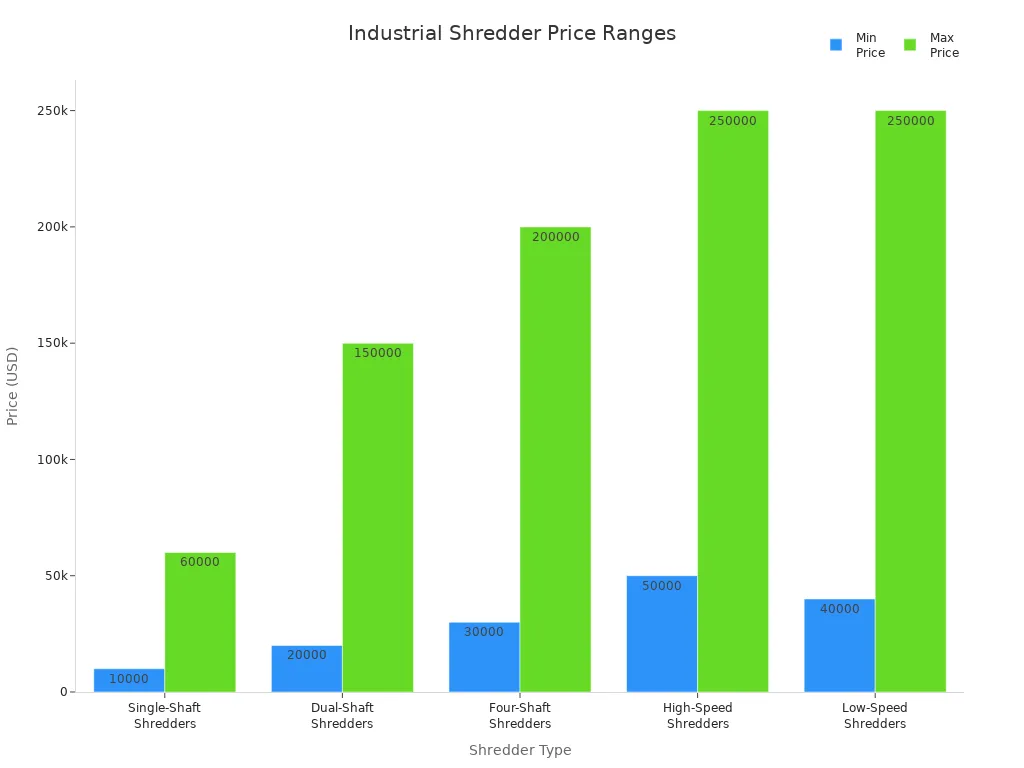
Industrial plastic shredders have different prices. The price depends on the type and size. Here is a table that shows the average prices and what they are used for:
Shredder Type | Price Range | Common Applications |
|---|---|---|
Single-Shaft Shredders | $10,000 – $60,000 | Paper, plastics, textiles, wood |
Dual-Shaft Shredders | $20,000 – $150,000 | Heavy-duty waste, large plastics |
Four-Shaft Shredders | $30,000 – $200,000 | Electronics, medical waste |
High-Speed Shredders | $50,000 – $250,000 | High-volume paper, bulk processing |
Low-Speed Shredders | $40,000 – $250,000 | Scrap metal, rubber, large plastics |
You also need to think about other costs, like:
Setting up the machine
How much energy it uses for each ton of plastic
How often you need new blades
Paying for workers to fix and clean it
Repairs and times when the machine is not working
These extra costs can be 35–60% of the first price over five years. A strong shredder may cost more at first, but it can save you money later. If you buy a good shredder and take care of it, you will spend less and have fewer problems.
Tip: Always look at both the first price and the costs you will pay later. This way, you will get the best deal for your business.
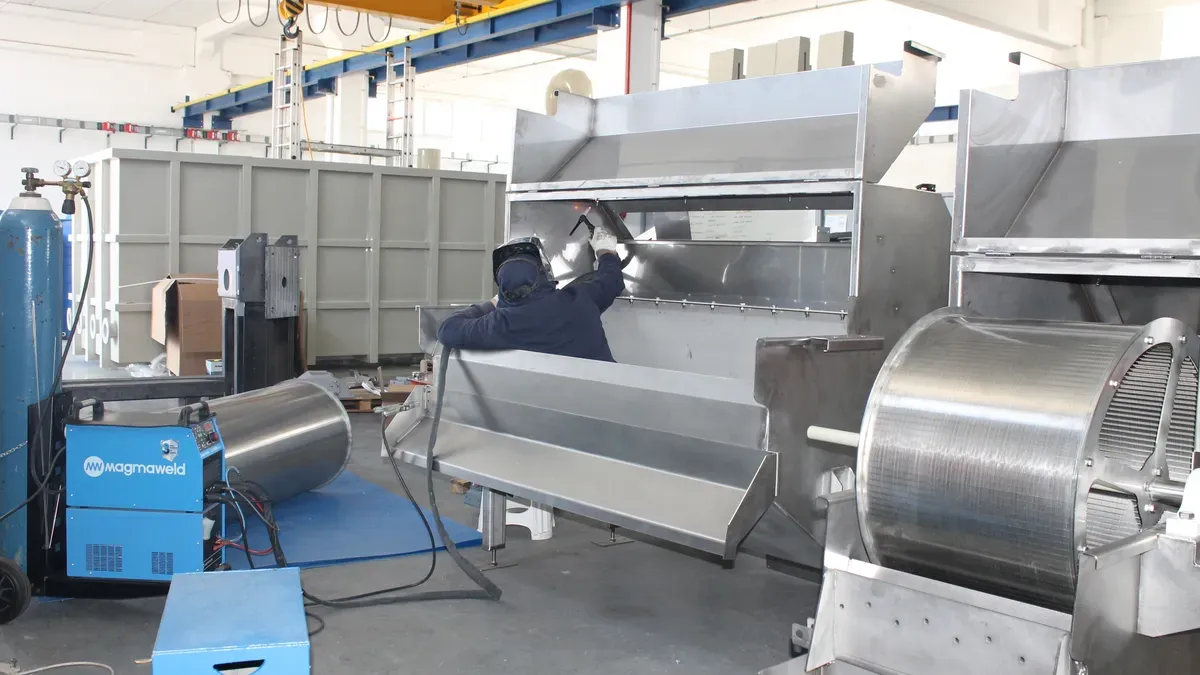
A plastic shredder machine is important for businesses that handle waste. This machine breaks plastic waste into smaller pieces. Smaller pieces are easier to move, store, and recycle. Plastic shredders come in different sizes and strengths. You can pick one that fits your business.
Plastic shredders do many jobs in recycling and factories:
They cut plastic waste into small pieces for easy handling.
They make plastic waste take up less space, so storage and moving is easier.
They get plastic ready for other steps like washing or melting.
They work with many kinds of plastic waste and fit different business sizes.
You can use these machines for bottles, packaging, or factory scraps. Making plastic smaller helps your recycling process go faster and smoother.
Buying a plastic shredder helps your business and the planet.
Plastic shredders help you save money in different ways:
Shredding plastic waste means you buy less new material.
You spend less on waste removal because shredded plastic is easier to handle.
Recycling in your own business helps you keep more profit.
These recycling solutions turn waste into useful things. You save money and do not need to buy as much from others.
Plastic shredders help cut down plastic waste. When you shred plastic, less waste goes to landfills. Plastic waste stays in landfills for a very long time. Using shredders helps the circular economy. Old plastic becomes new products. This means less new material is needed and the environment is safer.
Plastic shredders help you reach your waste reduction goals. You can process more waste faster. This makes your work easier and helps with storage and moving waste.
Many places have rules about plastic waste. Using a plastic shredder helps you follow these rules. You show your business cares about waste. This helps you avoid fines and keeps your business looking good.
Plastic shredders help you meet goals set by the government. Using these machines shows you recycle and care about the planet.
Tip: Buying a plastic shredder helps you for a long time. You save money, cut waste, and follow the rules.
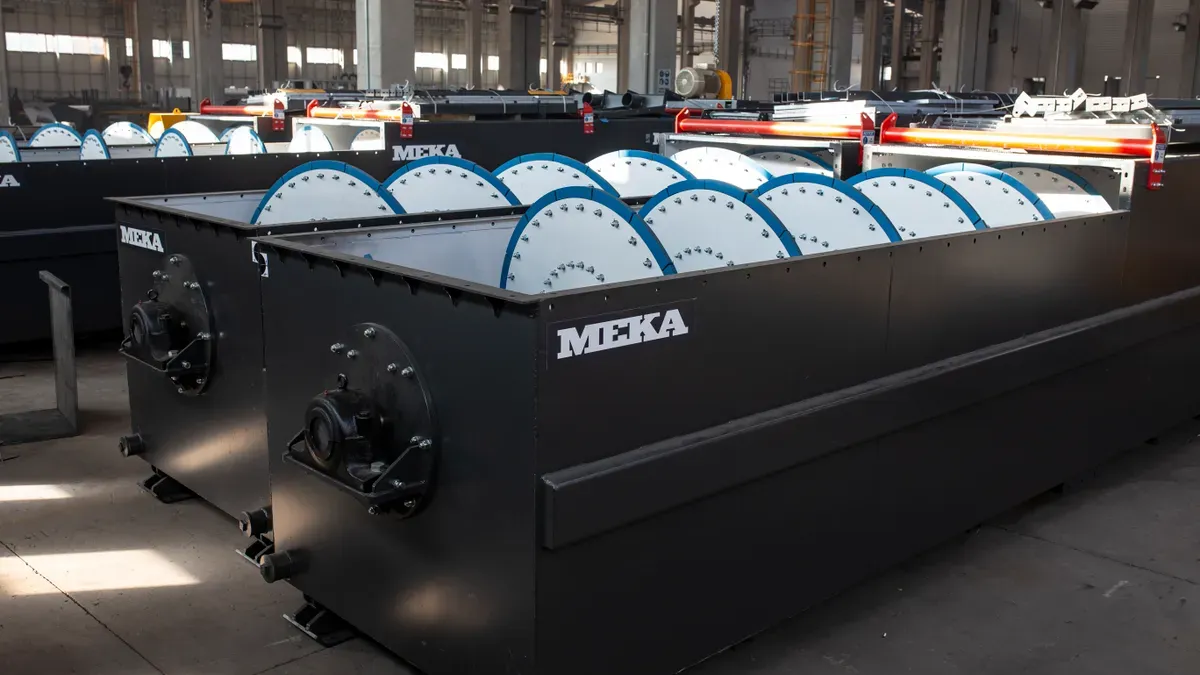
Single shaft shredders are used by many businesses. These machines are good when you need careful cutting and flexibility. They have one spinning shaft with blades. This design lets you shred small or medium amounts of lighter materials. You can find single shaft plastic shredders in recycling centers and factories. They are used for things like packaging film, bottles, or small plastic parts. These machines make pieces that are all about the same size. This helps you get steady results when you recycle.
You need to do maintenance on single shaft shredders more often. But the cost to do this is not high. It is easy to reach the blades and clean the machine. The price to buy these machines is usually lower than other shredders. If your business is small, a single shaft shredder might be best for you.
Tip: Pick single shaft shredders if you want a machine that is easy to care for and works well with lighter plastics.
Double shaft shredders are strong and can shred tough, big things. They have two shafts that turn together and use powerful motors. This makes them work hard and shred a lot at once. Double shaft plastic shredders can handle lots of waste and tricky items. They are good for things like old cars or big plastic containers. You do not need to get the materials ready before shredding.
You do not need to do maintenance on double shaft shredders as much. Their strong build means they last a long time. You pay more at first, but you get a machine that works fast and does not break down often. These shredders are best for big businesses that need to shred many types of plastic quickly.
Note: Double shaft shredders are best if your business needs to shred a lot and wants a machine that lasts.
Granulators and hybrid shredders are special machines for certain jobs. Granulators cut plastic into very tiny, even pieces. They are good for used plastics, leftover scraps, and waste from making things. Granulators have sharp blades and fast motors. They make small pieces that are ready for more steps or to be made into pellets.
Hybrid shredders mix parts from single shaft and double shaft machines. They give you more ways to use them. These machines can shred different kinds of plastics and make different sizes. Hybrids are helpful in places that need to shred many types of plastic and want both shredding and granulating.
Callout: Granulators and hybrids help you recycle better and handle new types of waste.
Feature | Single Shaft Shredder | Double Shaft Shredder |
|---|---|---|
Design | One spinning shaft with blades | Two shafts that turn together with strong motors |
Performance | Careful cutting for special jobs | Strong cutting for big, tough things |
Ideal Applications | Small or medium amounts, lighter plastics | Lots of waste, tricky things like old cars |
Maintenance | Needs more care but costs less | Needs less care, strong build for long life |
Particle Size Uniformity | Makes pieces all the same size | Pieces are not always the same size |
Initial Cost | Costs less to buy | Costs more to buy |
Throughput | May need to get materials ready first | Shreds a lot without much prep |
You need to know about the different shredders before you buy one. Each type has its own good points for your business. Plastic shredders help you handle waste and reach your recycling goals. Industrial shredders are important for waste management today. Pick the right machine by thinking about what you need to shred, how much, and what size pieces you want.
Picking the best plastic shredder depends on your business size. You also need to think about how much plastic waste you have. The machine should match your daily work. This helps you not spend too much or buy a weak machine.
If you have a small recycling shop, you do not have much plastic waste. You want a machine that fits your space and does not cost a lot. It should still work well every day. Small single-shaft plastic shredders with 5–15 HP motors are a good choice. These machines can shred bottles, packaging, and light scraps easily. You can put them in small spaces. They use less power than big machines.
Small size fits in little shops or tight spaces
Lower power means you pay less for energy
Simple buttons make it easy for your team to use
Shreds things like bottles, film, and light containers
Tip: Try a single-shaft shredder if you want something cheap, works well, and is easy to fix for your small business.
Big companies have different needs. You may have lots of mixed plastics to shred every day. You need a strong shredder that can work fast and long. Dual-shaft or four-shaft shredders with 50+ HP motors are best for this. These machines can break big things, mixed plastics, and dirty items without getting stuck.
Big motors give strong and steady shredding
Two or four shafts can shred large or mixed plastic waste
Strong rotors last longer and stop the machine from breaking
Automatic feeders help the shredder work all the time
You can add these shredders to machines that run by themselves. This makes your work faster and helps you recycle more plastic.
Note: Buying a strong shredder for your big company keeps work smooth and saves money over time.
Getting the right shredder for your business size helps you save money and work better. No matter if your business is small or big, you can find a shredder that fits your needs.
You need to pay close attention to the shredding mechanism and cutter design when choosing a plastic shredder. The way the blades cut plastic affects how fast and cleanly your machine works. Sharp blades cut faster and make smoother pieces. Dull blades slow down your work and use more energy. You should check the blade material and shape. Some machines use D2, A2, or M2 steel for longer life.
Modern shredders use smart cutter designs. These designs help you process many types of plastics, even tough or mixed materials. Smart technology can also monitor how well your machine works. This helps you fix problems before they cause downtime.
Here is how different plastics affect blade wear:
Type of Plastic | Effect on Blade Wear |
|---|---|
Hard plastics (PC, ABS) | Need tougher blades; wear out blades faster |
Contaminated materials | Cause up to 50% more wear than clean plastics |
You should match the cutter design to your main plastic type. If you shred hard or dirty plastics, pick a machine with strong blades. Regular maintenance keeps your blades sharp and your machine running well.
Tip: Check your blades often. Replace or sharpen them to keep your shredder working its best.
The motor is the heart of your plastic shredder. Motor power decides what kinds of plastics you can shred and how much you can process. Light-duty shredders use motors from 5 to 15 horsepower (HP). These work well for soft plastics and small jobs. Medium production shredders use 20 to 100+ HP motors. Heavy-duty machines use 100 to 200+ HP motors. These can handle thick, tough plastics like pallets and large containers.
Shredder Type | Motor Horsepower Range |
|---|---|
Light-duty | 5–15 HP |
Medium production | 20–100+ HP |
Heavy-duty | 100–200+ HP |
A strong drive train helps your shredder run smoothly. It transfers power from the motor to the blades. If you plan to shred hard or large plastics, choose a machine with a powerful motor and a strong drive train. This will help you avoid jams and downtime.
Note: Match the motor size to your peak processing needs. This keeps your shredder from getting overloaded.
Variable speed control lets you adjust how fast your shredder works. This feature helps you handle different types of plastics and sizes. You can slow down for tough or thick materials. You can speed up for lighter plastics. Variable speeds also help you save energy and reduce wear on your machine.
When you can change the speed, you get more control over your process. You can make sure the output size matches what you need for the next step. This makes your recycling line more efficient.
Tip: Look for shredders with easy-to-use speed controls. This gives you flexibility and helps your team work safely.
By focusing on these technical specs, you can pick a shredder that fits your business and keeps your operation running smoothly.
Noise at work can make people uncomfortable and unsafe. Plastic shredder machines are often loud when they run. You should pick machines with good noise reduction features. These features help make your workplace quieter and protect your team’s hearing.
Low-noise shredders use special systems to keep sound low. They have covers made from materials that absorb sound. These covers go around the noisy parts and block much of the noise. Anti-vibration mounts help stop shaking, which also lowers noise. Some machines are designed to cut down on air movement, so they are quieter. Precision gears can run more smoothly and make less noise than regular gears.
Here is a table comparing regular and low-noise shredders:
Feature | Standard Shredder | Low-Noise Shredder |
|---|---|---|
Noise Level | 85-95 dB(A) | 70-75 dB(A) |
Sound Dampening | Minimal | Comprehensive system |
Vibration Control | Basic mounts | Advanced isolation |
Tip: If you want your workspace to be quieter, pick a shredder with strong sound-dampening and advanced vibration control. This helps you follow safety rules and makes your team happier.
You want your plastic shredder to last a long time and work well. Build quality is important for how long your machine lasts and how often it needs fixing. Machines made with strong materials can handle daily shredding without breaking.
Durable shredders use high-quality steel for frames and blades. This helps them resist damage from tough plastics.
Reliable machines need fewer repairs. This saves you time and money on maintenance.
A well-built shredder keeps your work running smoothly. You avoid surprise breakdowns and keep your recycling on track.
Consistent build quality means your machine works well every day, even when used a lot.
Note: Always check what materials and how the shredder is made before you buy. A strong, well-built machine will save you money and problems over time.
When you look at technical specs, pay attention to noise reduction and build quality. These features help you make your recycling safer, more efficient, and more reliable.
Feed systems are important for how well shredders work. You need to pick a feed system that fits your materials and daily tasks. Some machines use manual feed. Others use conveyors or hoppers. Double-shaft shredders have two shafts that spin in opposite directions. These shafts pull plastic into the cutting area and break it apart. This design is good for tough or odd-shaped plastics. It helps make pieces smaller and keeps the work steady.
The right feed system stops jams and keeps things running smoothly. If you shred big items like drums or crates, double-shaft shredders can handle them easily. These machines are great for shrinking big piles and can process mixed or dirty plastics. You get lots of plastic shredded for less money if you do not need all pieces to be the same size.
Capacity Band | Throughput Range | Typical Application |
|---|---|---|
Small/inline | 200–800 kg/h | Scrap recovery in factories, R&D |
Medium industrial | 800–2,500 kg/h | Regional recycling, film bale processing |
Heavy-duty | 2,500–10,000+ kg/h | Large post-consumer recycling lines |
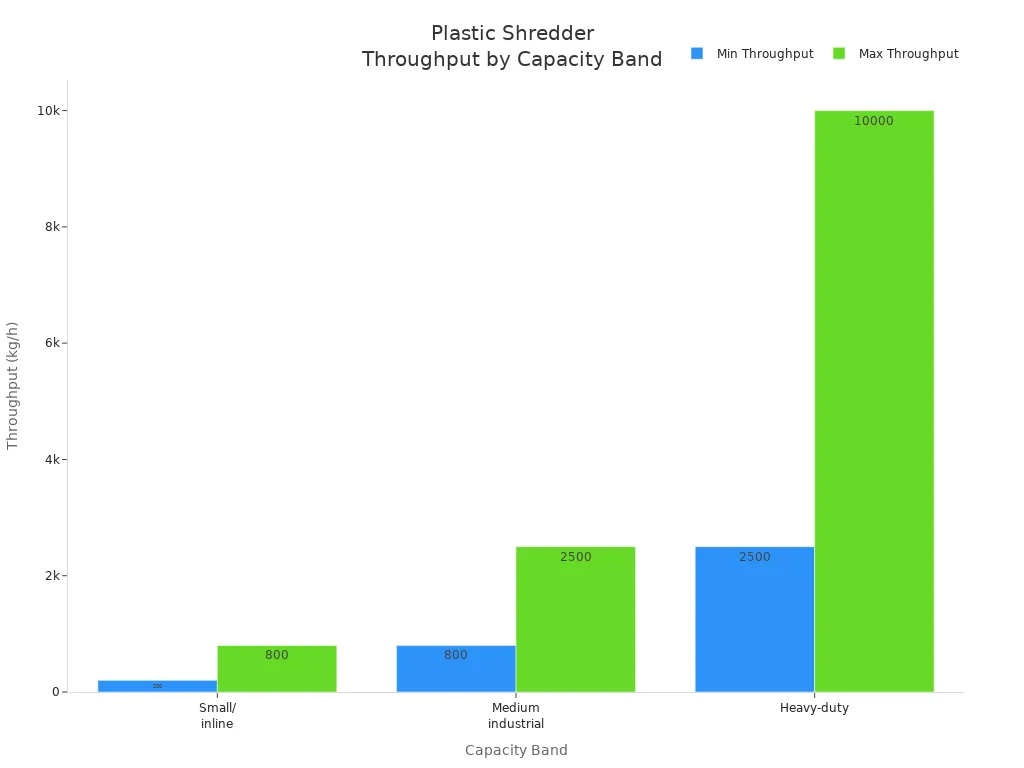
Tip: Pick a feed system that fits your materials and how much you want to shred. This helps you get the best results and makes your work easier.
Output size matters when you shred plastic. You need to know what size pieces your process needs. Some recycling jobs need small, even pieces. Others can use bigger, mixed sizes. Shredders with screens or cutters let you change the output size. This helps you meet different needs in your waste plan.
If you want tiny pieces, use machines with granulators or a second shredder. These machines make plastic very small. You can use these pieces to make pellets or reuse them. Having the same size pieces helps your next steps go faster and makes your products better.
Note: Always match your shredder’s output size to what you need next. This saves time and cuts down on waste.
You should think about how your new shredder will work with your other machines. Good integration stops slowdowns and keeps your work moving. Here are some tips:
Sort plastics by type before shredding.
Take out things like metal, labels, or oil first.
Make sure your shredder can handle your waste amount.
Keep up with maintenance like sharpening blades and checking parts.
When you add shredders to your line, you make size reduction better and work faster. You also stop breakdowns and make your waste process more dependable.
Callout: A shredder that fits well with your other machines helps you work all the time and reach your recycling goals.
When you use plastic shredders, you should think about the environment. These controls help keep your workers, neighbors, and the earth safe. They also help you follow rules about waste.
Plastic shredders need a lot of power. Big machines can use 30 to 50 kilowatt-hours each hour. If your electricity comes from coal, this makes more pollution. You can save energy by picking machines with inverter-controlled motors. These motors use only as much power as needed. This helps you spend less money on energy.
Plastic shredders are loud. They can make noise from 80 to 100 decibels. This can bother people who work nearby or live close. You should put soundproof covers on the machines or use special rooms. This keeps noise down and helps you follow city rules.
Shredding plastic makes dust and microplastics. These tiny pieces can get into the air and hurt people’s health. You should use air filters to catch dust and microplastics before they leave the building. Closed-loop water systems are good too. They clean and reuse water, so dirty water does not go outside.
You need to follow important standards like CE, RoHS, and ISO 14001. These rules are about safety, pollution, and recycling. Following them shows you care about the planet.
Here is a table that lists main environmental controls for plastic shredders:
Environmental Control | Description |
|---|---|
Heavy-duty shredders use 30–50 kWh per hour. | |
Microplastics | Dust and fine particles need proper filtration. |
Noise Pollution | Machines produce 80–100 dB; use soundproofing in urban areas. |
Compliance Standards | Meet CE, RoHS, ISO 14001, and local noise/dust limits. |
Inverter-Controlled Motors | Adjust power use to reduce waste. |
Closed-Loop Water Systems | Recycle water to minimize discharge. |
Air Filtration Units | Capture microdust to protect the environment. |
Tip: Check your local rules before you set up or use plastic shredders. Good controls help your business stay safe and trusted.
Using these controls makes shredding cleaner and safer. It also shows others that you care about doing the right thing with waste.
When you want to buy an industrial shredder, check the manufacturer's reputation first. If a company has a good reputation, you can trust their machines and support. You want a supplier who sells shredders that work well with many materials and do not jam. Look for companies that make machines with quiet motors and safety features. These things show the supplier cares about your workers and your workplace.
Some people say they get bad customer service or wait too long for spare parts. Others say the machines do not work as well as promised. Some users also complain about not getting enough training or clear instructions. You can avoid these problems if you learn about the supplier before you buy.
Ask other businesses for their opinions about the supplier.
Ask to see videos of the shredder working with materials like yours.
Read reviews and get advice from people you trust.
Watching machines work and seeing how they shred real materials tells you more than just reading about them.
Pick a supplier who gives you clear answers and stands by their machines. This helps you avoid mistakes that can cost your business money.
Warranty and service are very important when you buy an industrial shredder. You need a supplier who answers your questions fast and explains things clearly. Good suppliers help you pick, set up, and care for the blades. They also help you with repairs, new parts, and upgrades.
A strong warranty keeps you safe from surprise costs. You should know what the warranty covers and how long it lasts. Some suppliers can make special plans for your business. This makes your shredder a better deal.
Service Feature | What to Look For |
|---|---|
Communication | Fast, clear answers to your questions |
Technical Guidance | Help with blade selection and maintenance |
After-Sales Support | Easy access to repairs and replacement parts |
Warranty Coverage | Clear terms and coverage for key components |
Custom Solutions | Options tailored to your business requirements |
Always ask about the service team and how they fix problems. Good support keeps your shredder working and stops long delays.
Getting spare parts quickly is important for your shredder. You do not want to wait a long time for new parts. Waiting can stop your work and cost you money. Pick a supplier who keeps parts in stock and ships them fast.
Ask these questions before you buy a shredder:
How fast can you get spare parts?
Does the supplier keep parts for your shredder model?
Will you get help if you need to change a part?
A good supplier will teach you or give you guides for changing parts. This helps your team fix problems quickly and keeps your shredder working. Having spare parts and good service protects your money and helps you recycle more.
You need a plastic shredder that fits your business. Customization options help you get the right machine for your needs. Many suppliers let you pick features that match your work. You can choose the size, motor power, and blade type. Special feed systems or output screens are also available.
When you shop for plastic shredders, ask about these features:
Motor Power: Pick the horsepower that fits your daily jobs.
Blade Design: Choose blades for soft or tough plastics.
Feed System: Decide if you want manual, conveyor, or hopper feeds.
Output Size: Select screens to control how big the pieces are.
Safety Features: Add more emergency stops or guards for your team.
Noise Reduction: Ask for soundproof covers or mounts to cut noise.
Integration: Make sure the shredder connects with your other machines.
Customization helps you avoid buying a machine that does not fit your work. You save money and time by getting a shredder that works for your business.
Here is a table showing common customization options for plastic shredders:
Option | Benefit |
|---|---|
Motor Size | Handles more or less material |
Blade Material | Lasts longer, cuts better |
Feed System | Fits your workflow |
Output Screen | Controls particle size |
Safety Upgrades | Keeps workers safe |
Noise Controls | Makes workplace quieter |
Picking the right features helps you manage waste better. Customization lets you handle different plastics and keeps your process efficient.
You want a supplier who helps your business and sells reliable plastic shredders. Dyun is special because they offer strong machines and great service. Their team helps you before and after you buy. Dyun gives you many customization choices, so you can build a shredder that fits your needs.
Dyun gives clear answers and fast support. You can get spare parts quickly. Their warranty covers important parts and keeps your investment safe. Dyun’s machines meet safety and environmental standards. You can trust their products to work well in your recycling line.
Dyun helps you reach your recycling goals and keeps your operation running smoothly.
You can see Dyun’s full range of plastic shredders and customization options at Dyun’s product page. You get a partner who cares about your business and helps you improve your waste management process.
When you want to buy solid waste shredders, you need a good plan. A checklist helps you not make mistakes and keeps your project moving. Use this guide so you do not miss any important steps.
Define Your Needs
Write down the kinds and amounts of waste you have each day. Decide what you want solid waste shredders to do for you. Think about how small you want the shredded pieces and how they fit into your waste plan.
Set Your Budget
Figure out how much money you can spend on solid waste shredders. Add the cost for setup, fixing, and spare parts. Remember, paying more at first can save money later.
Research Suppliers
Find suppliers with a good reputation. Check if they give support, training, and quick spare parts for solid waste shredders. Ask for examples or stories from other customers.
Compare Technical Specs
Look at motor power, cutter design, and safety features. Make sure solid waste shredders can handle your waste. Check if they have noise reduction and environmental controls.
Request Customization
Ask about feed systems, output size, and how they work with your other machines. Custom features can help solid waste shredders work better for your business.
Plan for Maintenance
Learn how often you need to fix the machine. Ask if spare parts and technical help are easy to get.
Tip: Keep a written checklist when buying solid waste shredders. This helps you see your progress and not miss any steps.
Before you pick your shredder, check these things:
Does the shredder handle your daily waste?
Can it shred all the types of waste you have?
Are the safety systems strong and simple to use?
Will the supplier give fast help and spare parts?
Does the total cost fit your budget, even for the future?
Can you add the shredder to your waste plan easily?
Decision Point | Why It Matters |
|---|---|
Capacity Match | Stops slowdowns and keeps work moving |
Material Handling | Stops breakdowns and extra repairs |
Safety Features | Keeps your team and business safe |
Supplier Support | Cuts downtime and saves money |
Cost Analysis | Helps you save money over time |
Integration | Keeps your work smooth |
Callout: Buying solid waste shredders is a big choice. Take your time with these checks to pick the best machine for your needs.
If you follow this checklist, you can feel sure when buying solid waste shredders. Careful planning helps you get the right machine and keeps your waste process working well.
You should think about what your business needs before you buy a plastic shredder machine. Look at how much plastic you need to shred. Make sure the machine can handle the types of plastic you use. Check if the machine has good safety features. Make a plan to keep the machine working well. Pick a supplier who gives strong help and sells reliable machines. Think about how much money you will spend now and later. Make sure the shredder fits into your daily work.
A trusted company like Dyun can help you reach your recycling goals. See their products at Dyun’s product page.
A shredder can break up many plastics like HDPE, LDPE, PET, PVC, polypropylene, and polystyrene. Always look at your shredder’s guide to make sure it works with your plastics.
Check and clean your shredder every week. Sharpen or change the blades when needed. Have a professional look at it every six months to keep it working well.
It is safe if you follow the rules. Use machines with emergency stop buttons, guards, and lock-out systems. Make sure your team learns how to use the shredder before starting.
Write down how much plastic waste you have each day. Pick a shredder that can handle that amount. If your waste grows a lot, get a bigger shredder.
Yes, you can connect shredders to things like conveyors, sorters, and granulators. Always check if the machines work together before you buy them.
Turn off the shredder right away. Use the reverse button to help clear the jam. Do not push things through. If it stays stuck, call a repair person.
Plastic shredders can be loud, from 70 to 100 decibels. Pick a shredder with noise control features if you want a quieter place to work.
You can reach out to Dyun for help, spare parts, and service. Their team answers fast and helps you keep your shredder working.