- All
- Product Name
- Product Keyword
- Product Model
- Product Summary
- Product Description
- Multi Field Search
 English

Views: 0 Author: Site Editor Publish Time: 2026-09-14 Origin: Site


How can PP and PE waste become reusable pellets? A PP PE pelletizing machine makes this possible.
It melts, filters, and reforms prepared plastic waste. In this guide, you will learn how it works, its main parts, key benefits, and selection factors.
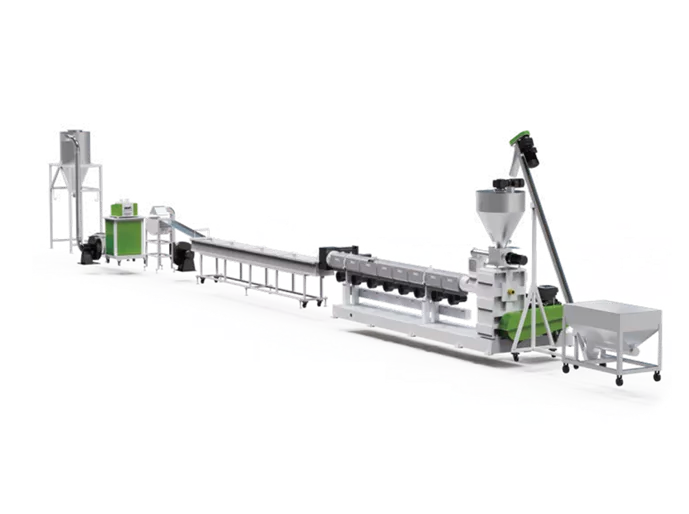
A PP PE pelletizing machine is extrusion-based plastic recycling equipment. It converts prepared polypropylene and polyethylene waste into reusable pellets.
These machines are widely used for films, bags, flakes, and production scraps. They combine feeding, melting, filtration, degassing, and pellet cutting.
The final pellets are easier to store and process. They can also return to suitable plastic manufacturing applications.
A PP PE pelletizing machine processes polypropylene and polyethylene through melt extrusion.
Prepared plastic enters the feeding system first. The extruder then heats and plasticizes the material.
Filters remove many solid contaminants from the polymer melt. Degassing can remove moisture and volatile substances when required.
The melt then passes through a die. A cutting system converts it into consistent pellets.
Pelletizing differs from crushing and washing. Crushing reduces plastic into smaller pieces. Washing removes dirt and other surface contaminants.
Pelletizing comes later in the recycling process. It converts prepared plastic waste into a standardized secondary raw material.
PP and PE cover several common thermoplastic grades.
A suitable machine can process materials such as:
Polypropylene (PP)
High-density polyethylene (HDPE)
Low-density polyethylene (LDPE)
Linear low-density polyethylene (LLDPE)
However, these materials do not behave identically.
Their melt flow, bulk density, moisture, and contamination levels vary. These differences affect screw design and processing temperatures.
The material grade should therefore be identified before machine selection.
A PP PE plastic recycling machine can handle many feedstock forms. Its configuration must match the physical condition of the waste.
Common materials include:
PP woven bags
PE agricultural film
LDPE stretch film
Shopping bags
Packaging film
PP and PE flakes
Rigid plastic scraps
Factory production waste
Soft films create different feeding challenges from rigid flakes.
Loose films have very low bulk density. They may bridge inside a conventional hopper. Their feeding rate can also become unstable.
Rigid flakes usually flow more easily. They may use force feeders or screw feeding systems.
This difference explains why many PP PE film pelletizing machines include compacting equipment.
The final output is recycled PP or PE pellets.
Good pellets should have reasonably stable size and composition. Their exact appearance depends on the cutting system and feedstock.
Pellets offer several advantages over loose waste.
They are easier to:
Package
Transport
Store
Meter
Blend
Feed into downstream machines
Uniform pellets also support more stable downstream processing.
However, pelletizing cannot restore heavily degraded polymer to virgin quality. Final performance still depends on the incoming material.
These two terms can cause confusion.
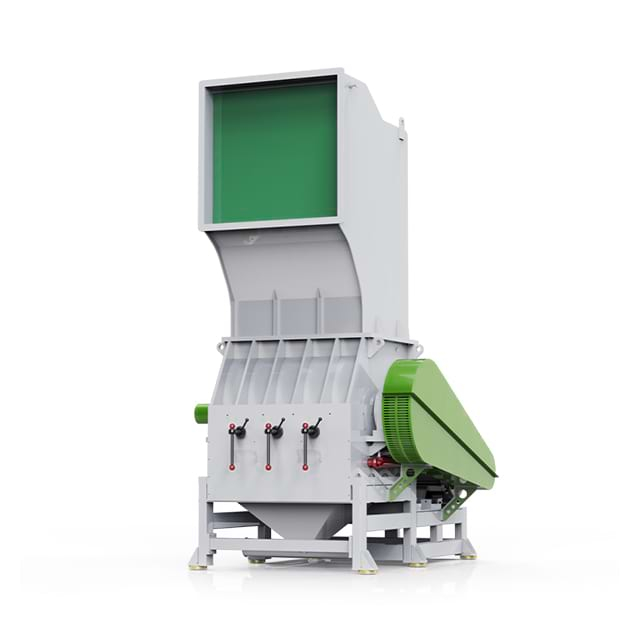
A plastic granulator often refers to size-reduction equipment. It uses rotating blades to cut plastic waste into smaller flakes.
A pelletizer performs a different task. It melts prepared plastic and reforms it into pellets.
However, equipment suppliers do not always use these terms consistently. Some describe extrusion pelletizing systems as PP PE granulating machines.
Buyers should therefore check the actual machine configuration. The product name alone may not explain the processing method.
A pelletizer is not always a complete recycling plant.
A broader recycling process may follow this route:
Sorting → Crushing → Washing → Drying → Pelletizing → Pellet Collection
The washing line prepares contaminated waste. The pelletizing line converts prepared material into reusable granules.
Some factories combine both sections into one recycling system. Others operate washing and pelletizing as separate production stages.
Tip: Ask suppliers whether their quotation covers pelletizing only or the complete washing-to-pellet system.
Understanding how a PP PE pelletizing machine works helps buyers compare equipment correctly.
The process involves more than melting plastic. Each stage affects output stability and pellet quality.
The process begins with controlled feeding.
Rigid PP or PE flakes can often enter through force feeders. Screw feeders may also provide stable material delivery.
Film requires another approach.
Agricultural film and packaging film have low bulk density. They can occupy large volumes while containing little material mass.
A cutter-compactor can cut and densify these films. It then feeds the compacted material into the extruder.
This creates a more stable material flow.
The material enters the extruder barrel.
A rotating screw moves it forward. Barrel heaters provide controlled thermal energy.
Friction and shear also contribute to plasticization.
The material gradually forms a homogeneous polymer melt.
Stable temperature control is important here. Excessive heat can accelerate polymer degradation.
Screw speed also affects residence time and throughput. It should match the material and extruder design.
Recycled PP and PE often contain unwanted residues.
These can include:
Dirt
Paper particles
Printing residues
Moisture
Small foreign materials
A melt filter captures many solid contaminants. Screen changers allow filter media to be replaced during operation.
Degassing handles another group of impurities.
Vacuum systems can remove moisture and certain volatile substances. Natural venting may also be used in some configurations.
The required system depends on feedstock quality.
Filtered polymer melt leaves the extruder through a die.
The PP PE plastic pelletizing process then converts the melt into pellets.
Water-ring pelletizing cuts material near the die face. Water cools and carries the pellets away.
Strand pelletizing works differently. The die produces continuous plastic strands first.
Those strands cool before entering a cutter.
After cutting, pellets are dried and conveyed into storage.
Note: Stable feeding and melt pressure are essential for consistent pellet production.
Machine configurations vary, but most systems contain several core sections.
The feeding section controls material delivery.
Common equipment includes:
Force feeders
Screw feeders
Cutter-compactors
Feeding hoppers
A compactor is particularly useful for lightweight film.
It reduces material volume before extrusion. This can improve feeding stability and extruder utilization.
Rigid materials may not require the same configuration.
The extruder is the main processing section.
The screw transports, compresses, melts, and mixes the polymer.
Important parameters include:
Screw diameter
L/D ratio
Screw speed
Motor power
Heating zones
Temperature control
Larger screw diameter can support higher output. However, capacity depends on the entire system.
Screw geometry must also suit the processed material.
The filtration section protects pellet quality.
A screen changer removes solid contamination from the melt. Melt pressure monitoring can help operators track filter condition.
Vacuum degassing removes gases from the polymer.
This becomes important for washed or printed recycled materials. Excess moisture or volatile residues can affect pellet quality.
The downstream system forms and handles pellets.
Common components include:
Water-ring pelletizer
Strand pelletizer
Cooling system
Dewatering unit
Pellet dryer
Pneumatic conveyor
Storage silo
The correct cutting method depends on polymer behavior and production requirements.
Tip: When comparing quotations, review the feeding, filtration, degassing, and cutting systems separately.
Extrusion stage design is another major selection factor.

A single-stage machine uses one main extrusion stage.
Its structure is relatively straightforward. It can suit cleaner and more consistent feedstock.
The material passes through melting and filtration before pelletizing.
This arrangement can reduce machine complexity. It may also simplify maintenance and operation.

A double-stage system uses two connected extrusion stages.
The first stage handles initial plasticization and processing. The second stage provides further melt treatment.
Depending on machine design, this arrangement can provide more opportunities for:
Filtration
Degassing
Plasticization
Melt stabilization
Double-stage configurations are often offered for recycled PP/PE films and bags.
They can be useful when the material requires more demanding treatment.
The best option depends on actual feedstock conditions.
Factor | Single-Stage | Double-Stage |
|---|---|---|
Structure | Simpler | More complex |
Feedstock | Cleaner materials | More demanding waste |
Filtration | Fewer opportunities | More opportunities |
Degassing | Design-dependent | Can be enhanced |
Investment | Generally lower | Generally higher |
Maintenance | Simpler | More components |
Typical use | Stable PP/PE waste | Printed or challenging waste |
Double-stage equipment is not automatically better.
Cleaner materials may not need extra processing. Additional equipment also increases investment and maintenance requirements.
Tip: Request a material test before choosing a double-stage system solely for higher specifications.
A compactor solves one of the main challenges in film recycling.
Plastic film is thin and lightweight.
Typical examples include agricultural film, stretch film, shopping bags, and packaging film.
These materials occupy large volumes. Their bulk density remains low.
Loose film can bridge inside the hopper. It may also wrap around feeding components.
Unstable feeding can reduce extruder output. It can also cause inconsistent melt pressure.
A cutter-compactor performs several tasks before extrusion.
It can:
Cut loose film
Reduce material volume
Increase bulk density
Stabilize feeding
Prepare material for extrusion
The material becomes easier to feed continuously.
This is why a PP PE compactor pelletizing machine can be valuable for film recycling.
The correct feeder depends on material form.
Factor | Compactor Feeding | Force Feeding |
|---|---|---|
Best suited for | Loose films and bags | Flakes and rigid scraps |
Bulk density | Low | Medium or higher |
Densification | Yes | Limited |
Cutting function | Often included | Usually not |
Main goal | Prepare and feed film | Maintain stable feeding |
Actual configurations vary between manufacturers.
Note: Feeding equipment should be selected from real material samples, not polymer names alone.
The main value comes from converting difficult waste into manageable feedstock.
Prepared waste can become secondary plastic raw material.
This supports mechanical recycling of PP and PE.
Suitable recycled pellets can return to downstream manufacturing. Their final use depends on quality and product requirements.
Loose waste varies greatly in size and shape.
The pelletizing process creates a more standardized physical form.
Melting improves material homogenization. Filtration removes many solid impurities.
Degassing can further improve processing stability.
Modern machines can automate several operations.
These may include:
Material feeding
Temperature control
Screw speed
Melt pressure monitoring
Pellet cutting
Pellet conveying
Automation reduces repetitive manual work. It can also support more consistent operating conditions.
Loose film requires substantial storage volume.
Pellets are denser and easier to manage.
They can simplify packaging, transportation, storage, and downstream dosing.
This advantage is important for commercial recycling operations.
Machine selection should start with feedstock analysis.
Provide suppliers with detailed material information.
Define:
PP or PE
HDPE, LDPE, or LLDPE
Film or rigid scrap
Printed or unprinted
Washed or unwashed
Moisture condition
Contamination level
Photos and samples provide additional useful information.
Film and rigid flakes require different feeding solutions.
A simple guideline is:
Film and bags → Compactor or specialized film feeding
Rigid flakes → Force feeder or screw feeder
However, actual equipment selection should follow material testing.
Capacity is normally stated in kg/h.
Do not select a machine only from maximum advertised output.
Actual throughput can change according to:
Polymer type
Bulk density
Moisture
Contamination
Feeding stability
Filtration requirements
The same extruder can therefore produce different outputs under different materials.
Ask suppliers detailed technical questions.
Check:
Screen changer design
Filter area
Vacuum degassing
Melt pressure control
Water-ring cutting
Strand cutting
Pellet drying
Automation level
These features often matter more than headline motor power.
Tip: Send suppliers your material data and required pellet use before requesting a final quotation.
A machine should be evaluated under realistic operating conditions.
Where possible, send representative material to the supplier.
Observe the actual test.
Check:
Feeding stability
Output rate
Melt pressure
Pellet appearance
Filtration performance
Machine stability
A trial provides stronger evidence than a general machine specification.
Advertised output usually represents certain operating conditions.
Your material may behave differently.
Wet film can reduce stable throughput. Highly contaminated material may require frequent filter changes.
Low bulk density can also limit feeding.
Ask how capacity was measured before comparing suppliers.
Purchase price is only one cost.
Evaluate major service items such as:
Screw and barrel
Cutting blades
Filter screens
Heating elements
Motor
Gearbox
Also check maintenance access.
Easy screen and blade replacement can reduce downtime.
Technical support matters after installation.
Ask suppliers about:
PLC controls
Spare parts
Installation
Commissioning
Operator training
Troubleshooting
Remote support
Maintenance guidance
Customization can also be important for unusual materials.
A reliable supplier should understand your feedstock before recommending equipment.
Tip: Compare total operating value, not only the initial PP PE pelletizing machine price.
A PP PE pelletizing machine converts prepared plastic waste into consistent, reusable pellets. Proper feeding, filtration, degassing, and cutting improve production stability.
JWELL provides PP PE pelletizing solutions for different recycling needs. Its configurable systems help processors improve pellet quality, production efficiency, and material recovery while supporting reliable technical service.
A: A PP PE pelletizing machine converts prepared PP and PE waste into reusable plastic pellets.
A: A PP PE pelletizing machine uses feeding, extrusion, filtration, degassing, cutting, and cooling.
A: A PP PE pelletizing machine improves feeding stability, pellet consistency, material handling, and recycling efficiency.
A: PP PE pelletizing machine prices depend on capacity, extrusion stages, filtration, automation, and pelletizing methods.
A: Single-stage systems suit cleaner PP PE waste, while double-stage systems handle more challenging recycling materials.
A: Uneven pellets may result from unstable feeding, melt pressure, temperature, filtration, or cutter settings.