
- All
- Product Name
- Product Keyword
- Product Model
- Product Summary
- Product Description
- Multi Field Search
 English

Views: 0 Author: Site Editor Publish Time: 2026-10-13 Origin: Site


Is plastic waste silently draining your operational budget? The circular economy has turned what was once an environmental liability into a highly profitable revenue stream. However, processing mixed polymeric materials remains an inherently complex endeavor.
Imagine feeding a tangled mass of agricultural film into a standard crushing rotor. Within minutes, the blades bind. The motor overloads. Your entire production halts completely. Choosing the wrong equipment inevitably causes severe bottlenecks. It degrades the quality of your end products and strands your capital investment. Understanding the exact technical configuration required for your specific waste stream is paramount. This applies whether you are establishing a new facility or upgrading a legacy line.
Recently, the industrial landscape has experienced a massive shift. Global mandates for minimum Post-Consumer Recycled content in packaging are forcing plants to upgrade. Basic mechanical setups are no longer sufficient to meet the near-virgin resin quality demanded by major brands. To make an informed purchasing decision regarding heavy equipment, operators must first grasp the standard workflow of a modern facility.
The commercial recycling process is divided into three distinct sequential stages. Each phase relies entirely on the successful execution of the previous one. A minor bottleneck in stage one will cascade and disrupt the entire production line.
The standard three-step industrial sequence includes size reduction, washing and drying, and finally extrusion and pelletizing. First, bulky raw waste is transformed into smaller uniform flakes. Next, intense mechanical friction and thermal baths strip away impurities before rapid centrifugal drying. Finally, purified flakes are melted down, microscopic contaminants are filtered out, and the molten polymer is cut into uniform pellets for resale.
Plastics simply do not conform to a one-size-fits-all processing approach. Different polymers possess distinct chemical structures, varying melt flow indexes, and unique physical behaviors under mechanical stress. Rigid plastics like High-Density Polyethylene pipes shatter upon impact. Flexible films tend to stretch and wrap around standard rotors. Therefore, facilities must deploy highly specific machinery configurations tailored to the exact rheological and physical characteristics of their raw input.
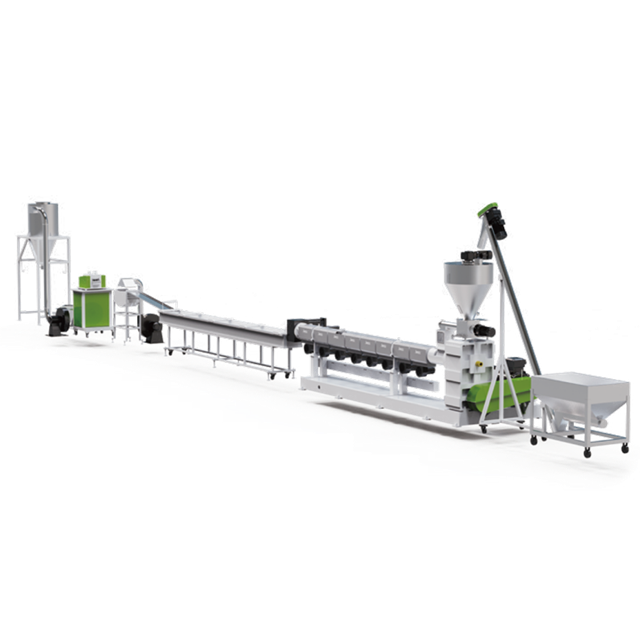
The beating heart of any lucrative recycling plant lies in its processing machinery. Below is a detailed technical breakdown of the primary equipment categories, their mechanical functions, and their specific industrial applications.
Size reduction represents the foundational step in the recovery process. Massive plastic items like thick-walled chemical barrels or heavy extruder purgings cannot be fed directly into a delicate washing line or an extruder hopper. Shredders utilize high-torque, low-speed rotors equipped with hardened alloy steel cutting knives. They aggressively bite into bulky materials, tearing them down into coarse fragments typically ranging from 40mm to 100mm.
Specifically, single-shaft shredders feature a hydraulic pusher ram that forces dense material against a rotating shaft fitted with square cutting blades. If your facility processes heavy purgings or thick rigid plastics, starting your line with a heavy-duty Multipurpose Waste Plastic Single Shaft Shredder is critical. This prevents catastrophic blade failure in downstream equipment. Granulators operate at much higher speeds with lower torque. They act as a secondary step to shear those coarse fragments into precise 10mm flakes.
Thorough cleaning is a strict prerequisite in modern polymer recovery. Contaminants such as embedded sand, metal shards, and chemical adhesives will severely degrade the structural integrity of the final recycled pellet. Furthermore, hard contaminants cause accelerated abrasive wear to extruder screws and barrels. A complete washing system systematically eradicates these impurities through a combination of physical agitation and specific gravity separation.
Friction washers spin at speeds often exceeding 1,000 RPM. They use intense centrifugal force to literally blast dirt and dirty water through a surrounding screen mesh. Meanwhile, sink-float separation tanks operate on basic physics. When processing PET bottles, the heavier PET sinks while the lighter polyethylene caps float. This allows for seamless material segregation. For facilities processing post-consumer rigid containers, investing in an automated Waste Rigid Plastic Recycling Washing Line is essential to achieve high purity levels.
The extrusion phase is where cleaned dry flakes are finally transformed into a uniform commercial-grade product. This machinery utilizes a rotating screw housed within a heavily heated barrel. As the flakes are conveyed forward, the combination of external ceramic heater bands and intense internal shear friction melts the polymer into a homogenous highly viscous liquid.
Once completely molten, the plastic is forced through a hydraulic screen changer to filter out microscopic impurities that survived the washing stage. The clean melt is then pushed through a precision die plate and cut into uniform pellets. Injection molding manufacturers require consistent bulk densities and steady flow rates. By leveraging a high-performance plastic pelletizing machine engineered with optimal length-to-diameter ratios like 32:1 or 36:1, recyclers can output standardized dense granules that command a premium market price.
Polypropylene and Polyethylene constitute a massive portion of global municipal waste. They are predominately found in grocery bags, agricultural films, and flexible packaging. These polyolefins present unique processing challenges. Lightweight films retain high volumes of air and slight moisture due to their low bulk density. Standard extruders frequently suffer from feed blockages and inconsistent output under these conditions.
To overcome this, advanced facilities utilize specialized single-stage or double-stage extrusion setups. These systems often integrate a cutter-compactor directly onto the extruder hopper. This component pre-heats, densifies, and forces the lightweight film into the screw. In addition, multi-zone vacuum degassing extracts trapped volatile gases to prevent porous brittle pellets. Operations focusing on flexible polyolefins must implement a dedicated JWL Single Stage PP PE Pelletizing Line equipped with water-ring die-face cutting technology to handle these unique rheological properties efficiently.
When evaluating the market, buyers will generally encounter two distinct categories. These are small-scale decentralized systems and industrial-grade machinery. Understanding the technical and operational disparities between the two is critical for aligning capital expenditure with actual business objectives.
Small-scale setups handle very low throughputs, typically under 50 kilograms per hour. While they boast a compact footprint and lower initial costs, they lack robust continuous filtration and aggressive vacuum degassing. Consequently, the input material must be meticulously hand-sorted and pre-cleaned. Otherwise, the resulting pellets will be porous and commercially unviable.
In stark contrast, commercial recycling is a volume-driven industry requiring heavy-duty industrial machinery engineered for continuous round-the-clock operation. Handling tonnages from 500 to over 3,000 kilograms per hour, these systems integrate advanced Programmable Logic Controllers. These controllers monitor temperatures, pressures, and motor loads in real-time. Although the initial capital expenditure is substantial, the processing cost per ton plummets to deliver a rapid and measurable return on investment.
| Feature | Small-Scale Equipment | Industrial Recycling Machinery |
|---|---|---|
| Throughput Capacity | 10 - 50 kg/h | 500 - 3,000+ kg/h |
| Automation Level | Manual operation and monitoring | Fully automated PLC systems |
| Continuous Operation | Limited due to frequent cooling needs | Designed for 24/7 continuous production |
| Output Quality | Variable and often lower grade | Consistent high-purity commercial pellets |
Selecting the correct machinery is arguably the most critical decision in establishing a profitable facility. Purchasing based solely on upfront costs often leads to stranded assets and incompatible production lines. You must systematically evaluate your specific operational parameters to ensure long-term viability.
First, thoroughly assess your raw material. The physical composition dictates the machine design. Rigid materials require high-impact crushing chambers. Flexible materials demand specialized rotor geometries to prevent wrapping. Next, mathematically align the machine rated throughput with your supply chain volume. If you secure 10 tons of waste daily, a small 300 kilogram per hour machine will create a severe bottleneck. This forces costly multi-shift operations. Finally, consider the spatial layout. An industrial washing and pelletizing setup can easily span 50 meters. This requires strategic factory configurations to optimize material flow.
The relationship with your machinery supplier extends far beyond the point of sale. Processing waste plastic is inherently abrasive and mechanically stressful. Reliable heavy-duty engineering is paramount to prevent catastrophic downtime.
A reputable manufacturer must demonstrate the engineering agility to customize equipment to your specific feedstock. This includes tailoring the screw thread profile for optimal shearing. Durability is equally critical. Extruder barrels should feature bimetallic coatings or advanced nitriding processes to resist wear from sand and hard polymers. Furthermore, evaluate their after-sales infrastructure. Waiting weeks for a replacement hydraulic valve or a custom bearing can decimate plant profitability. Rapid access to spare parts and remote technical diagnostics is absolutely non-negotiable.
To protect your capital investment and ensure long-term operational efficiency, facility managers must implement rigorous proactive maintenance protocols.
Consider the size-reduction stage. A dull shredder blade does not cut; it hammers and tears. This microscopic tearing generates excessive dust and drastically reduces throughput. It can also spike motor amperage by up to 30 percent, inflating your electricity costs. Establishing a strict schedule for calibrating blade gaps and sharpening knives is essential for smooth operation.
Similarly, melt filters act as the final defense against contamination. Allowing screens to become overly clogged exponentially increases internal barrel pressure. This can force impurities through the mesh or severely damage the die head. Utilizing automated dual-piston screen changers and adhering to pressure-based replacement protocols maintains pellet purity. Routine inspections of gearbox lubrication, ceramic heater bands, and water pump seals will significantly extend equipment lifespan.
Navigating the complexities of the modern circular economy requires more than just good intentions. It demands precise heavy-duty engineering. The success of your recycling business relies entirely on selecting the correct combination of size reduction, washing, and extrusion technologies tailored to your specific polymer stream.
By thoroughly evaluating your raw materials and partnering with a manufacturer that prioritizes durable metallurgy, you can transform a highly abrasive waste stream into a consistent premium-grade commercial product. Investing in the right machinery establishes a highly efficient and exceptionally profitable business model. To explore industrial-grade configurations tailored to your exact operational needs, visit JWELL Machinery and consult with our engineering team to build your high-yield production line today.
A shredder is utilized for the primary size reduction of large thick or bulky items. It operates at low speeds with extremely high torque to aggressively tear tough materials into rough pieces. A granulator functions as a secondary size reduction machine. It operates at high speeds with sharp rotary blades to precisely cut pre-shredded pieces into small uniform flakes suitable for washing and extrusion.
No. Different plastic polymers possess distinct melting points, thermal stability thresholds, and melt flow indexes. While some extruders offer a degree of versatility, processing distinct materials optimally requires specific screw designs and heating profiles. A machine built for polyolefins will feature specialized vacuum degassing zones. Processing PET requires distinct crystallization and high-vacuum drying systems to prevent structural degradation during melting.
The required physical footprint varies significantly based on the targeted throughput and the contamination severity of the input material. Generally, a commercial-scale washing line requires a linear space of 20 to 50 meters. However, reputable equipment manufacturers can often engineer the layout in U-shapes or L-shapes to seamlessly accommodate existing factory architectural constraints.
Yes, investing in industrial recycling equipment can yield substantial returns when executed correctly. Global regulatory mandates and corporate sustainability goals have driven the demand for high-quality recycled plastics to unprecedented levels. Profitability hinges on securing a consistent supply of raw waste, deploying durable equipment that guarantees high-purity output, and minimizing operational downtime through strict preventative maintenance.
The cost varies wildly depending on automation levels, throughput capacity, and the specific polymers being processed. A small standalone granulator might cost a few thousand dollars, whereas a fully automated, high-tonnage industrial washing and pelletizing line can range from hundreds of thousands to over a million dollars. The focus should always be on the cost per ton of processed material and long-term equipment durability rather than just the initial sticker price.
PET and High-Density Polyethylene are traditionally the most profitable due to massive global demand from the packaging and bottling industries. However, advancements in extrusion technology have made recycling flexible low-density polyethylene films and polypropylene highly lucrative as well. Profitability ultimately depends on your local collection infrastructure and your ability to produce a high-purity, defect-free pellet that meets injection molding standards.


