- All
- Product Name
- Product Keyword
- Product Model
- Product Summary
- Product Description
- Multi Field Search
 English


Views: 0 Author: Site Editor Publish Time: 2026-11-05 Origin: Site


HDPE pipe regrind can meet the target weight and still contain too many fines or long slivers.
After a plastic granulator run, check size, shape, contamination, moisture, bulk density, and usable output.
Use those results to decide whether the lot is ready for reuse.
Take small samples at planned intervals from a designated discharge sampling point. Start once the plastic granulator is running steadily. Include periods when the feed changes from thin-wall to thick-wall offcuts, if both are part of normal production. Combine the samples for an overall lot check. Keep separate time-stamped samples when a shift in feed or output needs investigation. A scoop from the top of a full bin can miss fines that settled lower down.
When trialing a plastic crusher machine, record the pipe grade, diameter, wall thickness, cut length, and installed screen opening. Use the same sampling point and test method for each trial. If the regrind travels through a pneumatic line, take a second sample at the receiving bin. The comparison can help you identify whether extra fines appear during cutting or during transfer.

Start with the equipment that receives the regrind. Ask the operator to describe the flake size range that moves through the hopper, feeder, and transfer line during normal production. Find out how the downstream process checks moisture, contaminants, and material identity. Translate those needs into written limits with units and a test method. For example, a maximum fines fraction needs an agreed sieve opening and dry sample weight. Use the same limits in a supplier trial and in routine lot checks.
Take a retained sample from a stable, approved run. Record the pipe grade, wall thickness range, granulator screen, and how the sample reached the collection bin. Keep the baseline available for side-by-side checks after a knife change or a change in pipe mix. If you run several pipe grades, keep the bins labeled and tie each sample to the job. Color and particle size are only visual clues. Review the production record before making a decision about grade or mix. Where reuse in new pipe is planned, apply the approved material and finished-pipe requirements to that application. A shop-floor release check for regrind can confirm feeding condition, while separate material or part tests may be needed for the next product.
Weigh a representative dry sample and pass it through sieves selected for your downstream process. Use the upper sieve to count oversize by weight and the lower sieve to measure fines. The fraction between the two sieves is the in-range material. Record each fraction as a percentage of the original dry sample mass. For example, 25 grams of fines from a 1,000-gram sample equals 2.5% fines by weight. Use the same sieve openings and test routine when comparing lots.
Spread some of the sieved material on a tray and check for thin strips or curled slivers. A long, narrow flake can pass through an opening end-first and still interfere with downstream feeding. If your hopper or feeder is sensitive to long pieces, specify a maximum length or a count per sample. Record that limit separately from the sieve results.
A run of short, thin-wall offcuts can give a different result from the thickest pieces cut on the same line. For a machine trial, use samples from the normal size range and include the largest or thickest pieces expected in production. Record how each group was fed and the time it entered the machine. Keep the output from each group identifiable until the quality results are in. If the plant normally blends the groups, test that blend as well. Use the same approach whenever you compare two machine configurations.
In routine production, take additional samples after changes likely to affect flake shape or contamination. These include a screen change, a change in resin, or a switch from dry indoor scrap to material stored outside. Use time stamps and bin IDs to identify the range affected. If a sample fails, hold the affected bin and identify where the suspect material begins and ends. Sampling several points in a run helps locate a short upset that a single composite might hide. Use a separate sample to retest the affected material after any approved corrective step. Record whether the lot passed on the first test, after rework, or after another check.
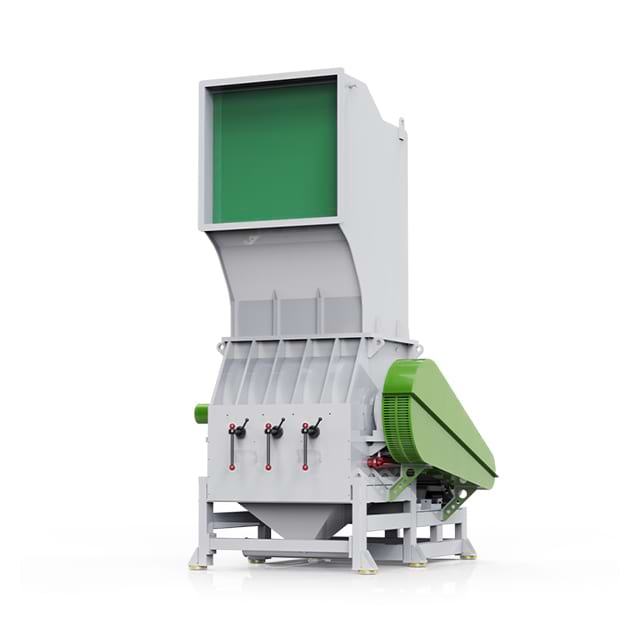
Spread a sample on a clean tray under good lighting. Look for metal, dirt, labels, gasket fragments, and pieces from other plastic streams. Check the lot history when the previous run used a different resin or color. JWELL lists the DYPS-G Series Heavy Pipe Crusher for HDPE and PVC pipes. If you also use it as a PVC pipe crusher, check for carryover after changeover. Inspect regrind from the first collection bin before releasing that lot. Color alone is an unreliable way to identify a polymer.
If offcuts were stored outdoors or washed, check residual moisture using the method agreed with the next process owner. Measure loose bulk density by filling a container of known volume and dividing the net mass by the volume. Use a consistent fill method and avoid tamping the sample. Compare the result with a previously approved lot. A change in packing can affect how much regrind a volumetric feeder delivers at the same setting.
For a timed trial, weigh all collected regrind, then determine how much meets your agreed release limits. Keep the time window and weighing basis the same for both figures. Suppose a trial produces 40 kg in eight minutes. If 36 kg meets the specification, gross output is 300 kg/h and accepted output is 270 kg/h. Record downtime separately for a steady-run test. For a shift average, use elapsed time including stops.
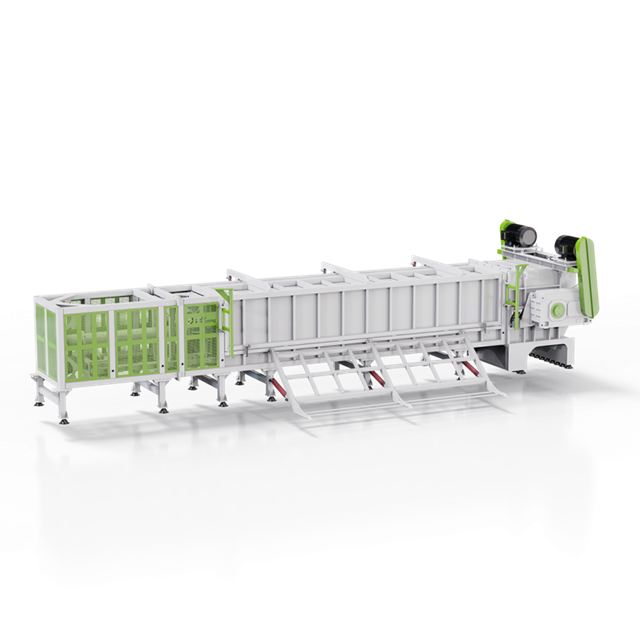
When comparing a standalone machine with a plastic pipe crusher and shredder unit, sample the final discharge in both trials. Use the same pipe material and final flake specification. If the shredder feeds a separate granulator, weigh the finished regrind after that final step. This makes the accepted output figures comparable for purchasing decisions.
Track accepted material by weight so a high output rate can be assessed alongside the quality results. In the eight-minute example, 36 kg out of 40 kg collected was accepted, or 90% of the collected output. The other 4 kg needs a disposition, such as hold, reject, or rework. The accepted share uses the output collected as its denominator. To measure total recovery from incoming offcuts, weigh the net feed and account for sorted rejects, cleanout material, and any residue held in the system.
For a supplier trial, report both accepted kilograms per hour and the share of collected regrind that passed inspection. Include the time spent clearing a hold, changing a bin, or stopping between groups if those events occur in normal operation. If the same oversize pieces make a second pass, count the approved material once in the final recovery figure. Keep the machine time for that second pass in the trial record. This helps purchasing teams compare a fast first pass that needs rework with a setup that reaches the required flake size on the first pass. Use the same sample plan and time basis for both.
Output finding | What to check next |
|---|---|
More fines at both sampling points | Compare the incoming pipe mix, knife condition, and knife clearance with the last accepted run. |
Fines increase after transfer | Inspect the conveying route for wear or misaligned joints. |
Oversize flakes or long slivers increase | Check the installed screen, the shape of the offcuts, and the cutting condition. |
Another resin or color appears | Hold the affected lot and review the previous run, cleanout, and bin handling. |
Moisture or bulk density shifts | Check storage, dewatering, and the mix of flake sizes and shapes. |
Have authorized maintenance staff isolate the machine before inspecting knives or screens. Keep out-of-spec lots separate and retest after an approved correction. Clean oversize HDPE may be regranulated and checked again. Suspected mixed-resin material needs identification before it can be approved for reuse.
Use a quick visual check to support the sieve data. Photograph an approved tray sample next to a ruler under the same light used for later inspections. Add photos of split pipe strips, partially cut pieces, or foreign fragments when they appear. The reference helps operators describe a failure in the same way across shifts. For a new screen size, keep a second reference labeled with the change date. The written test limits still guide release decisions when a sample looks similar but weighs out differently.
Use a batch record that fits on a single form. Include the incoming material code, machine and screen IDs, feed group, bin weights, sample times, and inspection results. Give each check a clear status such as pass, hold, or rework. Record the reason for a hold and the person who releases the lot. Keep photographs of unusual flakes or contamination with the batch record when they help identify a repeating issue.
Review trends across comparable lots. If the fines fraction rises while the pipe mix and screen opening stay the same, compare the trend with maintenance and conveying records. If bulk density changes at the same time as flake shape, see whether the downstream feeder is affected before changing an acceptance limit. Mark when a bin contains reworked material so any later feeding issue can be traced to the original run and the extra pass. For a purchase decision, ask the supplier for the same inspection record along with its throughput observations. An agreed record makes factory and production-site tests easier to compare. It also gives operators a practical basis for deciding whether to release, hold, or reprocess each bin.
Release HDPE pipe regrind only after it meets the agreed size, cleanliness, moisture, and handling limits.
For a machine trial, record accepted kg/h on your actual pipe offcuts. Use that figure to compare configurations.
A: Set the plastic granulator output size with the next process owner. Check sieve fractions and long slivers against agreed limits.
A: A smaller screen can reduce coarse flakes, but it may lower throughput or raise fines. Verify both on your offcuts.
A: Compare samples from the plastic granulator discharge and receiving bin. Fines that increase after transfer point to the conveying route.
A: No. Follow the applicable finished-pipe specification and your approved recipe, including material identity and melt-flow testing where required.