
- All
- Product Name
- Product Keyword
- Product Model
- Product Summary
- Product Description
- Multi Field Search
 English

Views: 0 Author: Site Editor Publish Time: 2026-07-29 Origin: Site


The input quality of HDPE flakes directly dictates the market value, purity, and structural integrity of final extruded pellets. When recycling facilities process post-consumer or post-industrial scrap, they face significant contamination challenges. Residual motor oils, paper labels, pressure-sensitive adhesives, and incompatible polymers frequently remain attached to the plastic. If these contaminants reach the extruder, they cause screen pack blinding, severe polymer degradation, and gaseous voids during the melt phase. Excessive moisture further complicates the process, leading to foaming and compromised pellet density.
Transitioning contaminated scrap into high-grade, extrusion-ready material requires precise mechanical and chemical interventions. This transformation relies heavily on the configuration and performance of an industrial HDPE bottle washing line. A properly engineered system scrubs, separates, and dries the flakes, ensuring they meet the strict physical and chemical parameters required for seamless pelletizing.
Extrusion demands rigorous contamination control. Industry standards typically restrict organic matter, paper fibers, and incompatible polymers like PET or PP to specific parts-per-million (PPM) thresholds. High-grade applications often require total contamination levels below 100 PPM. Exceeding these limits drastically impacts the melt filtration frequency. When paper or adhesive residues enter the extruder, they carbonize under high heat, blinding the screen packs rapidly. This forces operators to halt production for frequent screen changes, driving up operational downtime and downgrading the final pellet quality from premium grade to utility grade.
To maintain continuous operation, plant managers must monitor input streams and adjust washing parameters accordingly. For instance, a sudden influx of heavily labeled bottles might require increasing the caustic soda concentration in the hot wash tank or extending the dwell time. Failing to adapt to these variations guarantees a spike in PPM levels, which immediately translates to blocked melt filters and rejected pellet batches.
| Contaminant Type | Acceptable Threshold (Premium Grade) | Impact on Extrusion Process |
|---|---|---|
| Paper & Wood Fibers | < 10 PPM | Carbonization, rapid screen blinding, black specks in pellets |
| Incompatible Polymers (PET/PVC) | < 50 PPM | Melt flow disruption, structural weakness, off-gassing (PVC) |
| Organic Matter & Oils | < 20 PPM | Discoloration, odor retention, poor pellet density |
| Metals (Ferrous/Non-Ferrous) | 0 PPM | Catastrophic damage to extruder screw and barrel |
Moisture control stands as a non-negotiable metric. Flakes must achieve a moisture content of less than 1% before entering the extruder hopper. Wet flakes introduce severe mechanical and chemical consequences during the melt phase. As water hits the heated extruder barrel, it instantly converts to steam. This sudden expansion causes foaming within the polymer melt, alters the material's viscosity, and creates voids in the final pellets. Compromised pellet density leads to structural weaknesses in end products and creates feeding inconsistencies in downstream injection or blow molding machines.
Operators often rely on a combination of mechanical dewatering and thermal drying to hit these strict moisture targets. Centrifugal dryers handle the bulk of the surface water, but thermal pipe dryers are necessary to evaporate the remaining moisture trapped in the microscopic crevices of the flakes. Regular moisture sampling at the dryer discharge point is a standard operating procedure to prevent wet batches from reaching the extrusion line.
Optimal bulk density and consistent extruder feeding rely entirely on flake size uniformity. The ideal dimensions typically range between 10mm and 12mm, often referred to as 3/8” nominal. Irregular sizes disrupt the material flow. Oversized flakes cause bridging in the feed hopper, starving the extruder screw and causing throughput fluctuations. Undersized fines melt too rapidly, risking thermal degradation before the larger flakes have fully plasticized. Uniform sizing ensures an even melt profile, stable pressure inside the barrel, and predictable production rates.
Maintaining this uniformity requires strict attention to the cutting equipment. Dull blades or improperly gapped screens in the size reduction machinery will produce a wide variance in flake dimensions, generating excessive dust and oversized chunks. Routine maintenance schedules must prioritize blade sharpening and screen inspections to keep the flake geometry within the acceptable tolerance window.
The cleaning performance achieved upstream directly determines the required filtration fineness in the pelletizing extruder. Highly efficient washing allows operators to utilize finer filtration meshes, typically ranging from 80 to 120 mesh, without suffering immediate screen blinding. This dynamic represents a critical operational trade-off. Poor washing necessitates coarser screens to maintain throughput, which inevitably lets micro-contaminants pass into the final pellet. Conversely, superior cleaning reduces the frequency of screen changes, lowering labor requirements and extending the lifespan of the melt filtration equipment.
Facilities processing highly contaminated post-consumer bales often install continuous or dual-piston screen changers to handle the inevitable debris load. However, even the most advanced screen changers will fail if the incoming flakes are loaded with unwashed adhesives and paper. The washing line must do the heavy lifting so the extruder can focus on melting and homogenizing the polymer.
Evaluating flake cleanliness requires standardized quantitative methods. Facilities frequently utilize protocols like the Association of Plastic Recyclers (APR) 500-gram wash test for natural HDPE flakes. This protocol establishes a baseline for measuring residual oil, adhesive, and paper content before and after the washing cycle. Operators calculate cleaning efficiency by comparing the initial contaminant weight against the post-wash residue. Implementing these standardized tests ensures the output consistently meets the rigorous specifications demanded by premium pellet buyers.
Beyond the APR test, many plants develop proprietary quality control checks tailored to their specific end-markets. For example, flakes destined for food-grade applications undergo rigorous gas chromatography testing to detect trace volatile organic compounds (VOCs). Establishing a robust testing laboratory on-site allows operators to catch contamination spikes early and adjust the washing line parameters before producing tons of off-spec material.
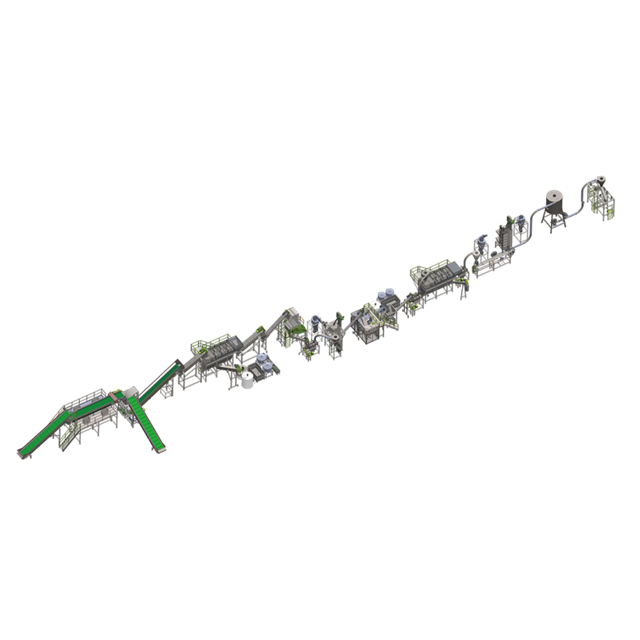
Decontamination begins long before the material hits the water. The initial phase involves manual or automated sorting to remove gross contaminants, separate distinct flake types, and isolate natural HDPE from pigmented variants. Optical sorters handle high-volume color separation, while manual stations catch oversized debris. Integrating magnetic separators and eddy current systems is mandatory. These units extract ferrous and non-ferrous metals—such as stray bolts, wire, or aluminum caps—that would otherwise shatter crusher blades and cause catastrophic damage to downstream machinery.
Effective pre-sorting drastically reduces the wear and tear on the entire washing line. By removing abrasive materials like glass and heavy metals early in the process, facilities extend the lifespan of their cutting blades, friction washer screens, and pump impellers. Investing in advanced near-infrared (NIR) sorting technology also allows plants to accurately separate HDPE from look-alike polymers like PP and PET, ensuring a pure input stream.
Heavy-duty feedstocks, like post-industrial blue drum regrind, require a robust two-stage size reduction system compared to thin-walled post-consumer bottles. The process starts with an industrial shredder operating at low speeds and high torque for primary volume reduction. Following the shredder, the material enters a high-speed plastic bottle crusher designed to achieve the uniform 3/8” nominal flake size. Rotor design and blade metallurgy dictate performance here. Blades forged from D2 or D3 steel offer superior wear resistance against abrasive contaminants. Many facilities employ wet-crushing techniques, injecting water directly into the cutting chamber to pre-wash the material, suppress dust, and reduce blade friction and heat.
The choice between single-shaft and double-shaft shredders depends entirely on the feedstock. Bulky, rigid items like IBC totes and 55-gallon drums demand the aggressive biting action of a double-shaft shredder. Conversely, baled post-consumer bottles can often bypass the shredder entirely and feed directly into a heavy-duty granulator, provided the bales are properly broken apart and metered.
Mechanical scrubbing occurs within high-speed friction washers. These inclined cylindrical machines utilize a fast-spinning rotor to agitate the flakes against a mesh screen. The intense friction dislodges surface dirt, loose paper fibers, and residual liquids. Following friction washing, the material enters the sink-float separation tank. This component operates on basic fluid physics. Because HDPE has a density of less than 1 g/cm³, it floats on the water's surface. Heavier contaminants, including PET, PVC, dirt, glass, and metal fragments, sink to the bottom where they are continuously discharged via an extraction auger.
The efficiency of the sink-float tank relies on maintaining a calm water surface and precise fluid density. Turbulence caused by aggressive paddle wheels can force floating HDPE flakes downward, causing them to discharge with the waste stream and reducing overall yield. Operators must carefully calibrate the paddle speed and water flow to ensure clean separation without material loss.
Cleaning motor oil containers, food-grade fats, and pressure-sensitive label glues requires aggressive thermal and chemical intervention. A hot washing tank operates at temperature ranges of 85–90°C. Maintaining specific dwell and retention times is critical to emulsify stubborn oils and break down tough chemical residues. Operators introduce caustic soda (sodium hydroxide) or specialized industrial detergents into the heated water. The combination of thermal energy, chemical action, and continuous mechanical agitation strips away adhesives that cold water systems simply cannot remove.
Managing the chemical dosing requires precision. Too little caustic soda leaves adhesive residue on the flakes, while excessive dosing wastes money and complicates wastewater treatment. Automated dosing systems linked to pH sensors provide the most reliable method for maintaining the optimal chemical balance in the hot wash tank, ensuring consistent cleaning performance across varying contamination loads.
Removing moisture happens in two distinct stages. First, mechanical dewatering takes place inside centrifugal dryers. These high-speed machines spin the wet flakes, forcing bulk surface water out through a perforated screen via centrifugal force. While effective for bulk water removal, centrifuges leave residual surface moisture. The flakes then transition into thermal pipe dryers. Hot air suspends and transports the material through a winding pipe network, evaporating the remaining moisture and ensuring the flakes exit the system below the critical 1% moisture threshold.
The design of the thermal pipe dryer directly impacts energy consumption. Insulating the ductwork and utilizing heat recovery systems can significantly reduce the electrical or gas load required to heat the air. Additionally, incorporating a cyclone separator at the end of the drying line helps remove fine dust particles, further improving the quality of the final flake before it enters the storage silo.
A single equipment configuration cannot efficiently process all HDPE variants. Processing thin-walled natural blow-molded bottles demands different mechanical handling than thick-walled, heavy-duty HDPE blue drum regrind. Hydraulic retention times and washing module intensities must be calibrated based on feedstock thickness and initial contamination levels. Thick-walled drums often require heavier shredding torque and longer dwell times in friction washers to remove embedded industrial chemicals, whereas thin bottles prioritize aggressive label and glue removal in the hot wash phase.
Plant layouts must reflect these differences. A line dedicated to post-consumer bottles will feature extensive optical sorting and multiple hot wash stages to handle the high volume of labels and organic residue. In contrast, a line processing industrial drums will prioritize heavy-duty size reduction, robust metal separation, and extended friction washing to handle abrasive dirt and chemical residues.
| Parameter | Natural Bottles (Post-Consumer) | Blue Drum Regrind (Post-Industrial) |
|---|---|---|
| Primary Contaminants | Paper labels, glues, food/beverage residue | Industrial chemicals, heavy oils, dirt |
| Size Reduction Focus | High-speed crushing, dust suppression | Heavy-duty shredding, high-torque cutting |
| Washing Intensity | High thermal action for adhesives | Extended friction and chemical dwell times |
| Sink-Float Separation | Critical for removing PET caps/rings | Focus on heavy dirt and metal extraction |
Evaluating a plastic washing line requires looking past theoretical maximums to understand realistic output. A system rated for 2000 kg/h might only yield 1400 kg/h of clean flake if the incoming bales contain 30% waste (dirt, moisture, incompatible plastics). Heavy contamination levels reduce overall yield and require derating the expected throughput. Operators must calculate capacity based on the specific contamination profile of their local feedstock to accurately project production volumes and facility revenue.
Bottlenecks frequently occur when processing highly contaminated material. If the hot wash tank requires a 15-minute dwell time to remove stubborn adhesives, the entire line must slow down to accommodate that retention period. Purchasing oversized washing modules or installing parallel processing lines can help maintain high throughput rates even when dealing with difficult feedstocks.
Water usage directly impacts operational costs and environmental compliance. Running a continuous wash process demands massive volumes of water. Relying solely on fresh municipal water is financially unsustainable. Facilities must integrate comprehensive water treatment, clarification, and recirculation systems. These systems capture wastewater, filter out suspended solids and sludge, neutralize pH levels, and pump the clean water back into the friction washers and sink-float tanks. Efficient recirculation minimizes fresh water intake and ensures compliance with strict municipal wastewater discharge regulations.
Advanced water treatment setups utilize dissolved air flotation (DAF) units and chemical flocculants to separate fine particulate matter and emulsified oils from the wash water. Maintaining clean recirculated water is critical; pumping dirty water back into the friction washers simply recontaminates the flakes and defeats the purpose of the cleaning process.
Power consumption dictates long-term profitability. Key motors driving the shredders, crushers, friction washers, and centrifuges draw significant amperage. Buyers face a distinct trade-off between upfront capital expenditure and ongoing operational savings. Investing in equipment fitted with premium energy-efficient motors (such as IE3 or IE4 classifications) requires a higher initial outlay but drastically reduces monthly electrical bills. Analyzing the kilowatt-per-ton metric provides a clear picture of the line's true operational efficiency.
Variable frequency drives (VFDs) offer another avenue for energy savings. Installing VFDs on large motors allows operators to adjust the equipment speed based on the material load, preventing the motors from running at full power when the line is only partially fed. This level of control reduces energy spikes and extends the mechanical life of the drive components.
A one-size-fits-all approach inevitably fails in plastics recycling. A line processing HDPE milk jugs requires a vastly different configuration than one processing heavy-walled industrial chemical drums. Buyers must audit the manufacturer's engineering flexibility. Can they adjust the length of the sink-float tank? Do they offer customizable chemical dosing options for the hot wash? A competent plastic washing line manufacturer will assess your specific feedstock and design a modular system tailored to those exact contamination challenges.
During the procurement phase, request detailed engineering drawings and process flow diagrams. Review the proposed layout to ensure adequate maintenance access around critical components like the crusher and centrifuge. A well-designed system prioritizes both processing efficiency and operator safety, with clear walkways and accessible lockout/tagout points.
Never purchase industrial recycling equipment based solely on brochures. Require empirical proof of performance. Send sample bales—such as post-consumer oil bottles or mixed rigid plastics—directly to the manufacturer's testing facility. Demand a pilot wash run. This physical test verifies the equipment's ability to achieve the required flake cleanliness, hit moisture targets, and maintain stable throughput. Analyzing the output from your actual material mitigates the risk of underperformance after installation.
When reviewing the test results, pay close attention to the flake size distribution and the residual moisture content. Ask the manufacturer to provide a detailed report on the energy and water consumption recorded during the pilot run. This data allows you to calculate accurate operating costs and verify the vendor's performance guarantees.
Maintenance is a critical ROI factor. Heavy abrasion from dirt and metal fragments ensures that wear parts will fail. Evaluate the vendor based on their supply chain reliability. Check the immediate availability of consumable wear parts like crusher blades, friction washer screens, and centrifuge bearings. Assess their response time for technical support and scrutinize the clarity of their warranty terms. Downtime waiting for a replacement rotor shipped from overseas can erase months of operational profit.
Establish a clear understanding of the service level agreement (SLA) before signing the contract. Determine whether the manufacturer offers remote diagnostic support via PLC integration, which can drastically reduce troubleshooting time. A reliable vendor acts as a long-term partner, providing ongoing training for your maintenance staff and proactive recommendations for equipment upgrades.
Incomplete removal of paper fibers and pressure-sensitive adhesives poses a massive risk. These residues survive cold washing and proceed into the extruder, causing immediate screen blockages and carbonization in the polymer melt. Mitigate this risk by upgrading to extended-dwell hot wash tanks equipped with precise chemical dosing controls. Maintain strict temperature protocols and avoid the temptation to bypass the thermal washing stage for seemingly "clean" post-industrial scrap. Consistent thermal and chemical application remains the only defense against adhesive contamination.
Regularly inspect the hot wash tank for sludge buildup, which can insulate the heating elements and reduce the water temperature. Implement a scheduled cleaning routine to drain the tank, remove accumulated debris, and descale the heating coils. Maintaining optimal heat transfer is essential for breaking down tough glues.
Accidental mixing of PP, PET, or PVC with HDPE flakes during processing destroys the batch integrity. This cross-contamination alters the melt flow index and causes structural failures in the final product. Prevent this by enforcing rigorous material segregation protocols on the tipping floor. Purge the entire washing line, including hoppers, augers, and dryers, when switching between different resin types. Calibrate sink-float fluid densities accurately to ensure complete separation of heavier polymers from the targeted HDPE stream.
Install clear signage and color-coded storage bins to prevent forklift operators from accidentally mixing baled materials. Conduct regular training sessions for the sorting staff to ensure they can accurately identify and remove incompatible plastics before they enter the shredder.
A: HDPE flakes must be dried to a moisture content of less than 1% before entering the extruder. Higher moisture levels cause water to flash into steam inside the barrel, resulting in foaming, viscosity changes, and structural voids in the final pellets.
A: Uniform flake size, typically around 3/8” nominal (10-12mm), ensures consistent bulk density and smooth feeding into the extruder hopper. Irregular sizes lead to material bridging, uneven melting rates, and fluctuating throughput.
A: Removing tough adhesives requires a thermal hot wash tank operating between 85–90°C, combined with extended dwell times, mechanical agitation, and the addition of specific chemicals like caustic soda or industrial detergents.
A: Paper fibers cannot melt. When exposed to the high temperatures inside the extruder, paper carbonizes and rapidly blinds the melt filtration screen packs. This forces frequent shutdowns for screen changes and degrades the pellet quality.
A: While possible, it requires significant modular adjustments. Heavy drums need high-torque shredding and longer friction washing, whereas thin bottles require high-speed crushing and aggressive thermal washing for labels. Equipment must be calibrated for the specific feedstock.
A: Recirculation systems filter and treat wastewater, allowing facilities to reuse water in friction washers and sink-float tanks. This drastically lowers municipal water costs and ensures compliance with environmental discharge regulations while maintaining cleaning efficiency.


