
- All
- Product Name
- Product Keyword
- Product Model
- Product Summary
- Product Description
- Multi Field Search
 English

Views: 0 Author: Site Editor Publish Time: 2026-01-23 Origin: Site


Have you ever wondered how PVC products are made? A PVC extruder machine plays a crucial role in transforming raw materials into durable and versatile products. In this article, we’ll explore what a PVC extruder machine is, its importance across various industries, and the benefits it brings to manufacturing.
A PVC extruder machine is an industrial device designed to convert raw polyvinyl chloride (PVC) materials into various shapes and products. It operates by heating PVC granules or powder until they melt, then forcing the molten material through a specially designed die. This process creates continuous profiles, pipes, sheets, and other products that meet specific dimensions and quality standards.
The role of a PVC extruder machine in manufacturing is vital. It ensures consistent production, high efficiency, and precision in shaping. This machine allows manufacturers to produce a variety of PVC products, from pipes used in plumbing to sheets for signage. The versatility of the extruder makes it a cornerstone in the production line for many industries.
PVC is widely used across multiple industries, including construction, automotive, and medical sectors. Its properties, such as durability, chemical resistance, and cost-effectiveness, make it a popular choice for various applications.
Industry | Application Examples | Benefits |
Construction | Pipes, window frames, flooring | Corrosion resistance, durability |
Automotive | Interior trims, wiring insulation | Lightweight, flexible |
Medical | Tubing, medical devices | Sterilizable, safe for use |
Using PVC extruder machines significantly enhances production efficiency. These machines allow for continuous operation, minimizing downtime and waste. They ensure that products are manufactured to precise specifications, which is crucial for quality control. This efficiency translates into lower production costs, making PVC extruder machines an essential investment for manufacturers.
Moreover, PVC's popularity as a thermoplastic is due to several key factors. Its ability to withstand harsh environmental conditions makes it suitable for outdoor applications. PVC is also lightweight, which aids in transportation and installation. These characteristics contribute to its widespread use in various products, from construction materials to consumer goods.
In summary, the PVC extruder machine is not just a manufacturing tool; it is a vital component that drives the production of high-quality PVC products across different sectors. Its significance in enhancing efficiency and product quality cannot be overstated, making it a crucial asset in modern manufacturing.
A PVC extruder machine is an essential piece of equipment in the manufacturing process. It transforms raw PVC materials, such as granules or powder, into finished products. The machine heats these materials until they melt, allowing for easy shaping and molding. Once melted, the PVC is forced through a die, creating various profiles like pipes, sheets, and custom shapes.
This process is crucial for producing consistent and high-quality PVC products. The extruder ensures that the material flows uniformly, which is vital for maintaining the desired dimensions and surface finish of the final product.
The significance of PVC extruder machines spans several industries, making them indispensable in modern manufacturing. Here's a look at some key sectors where these machines play a vital role:
Industry | Key Applications | Benefits |
Construction | Pipes, window frames, flooring | Durable, weather-resistant materials |
Automotive | Interior trims, wiring insulation | Lightweight, flexible components |
Medical | Tubing, medical devices | Safe, sterilizable materials |
In construction, PVC is favored for its strength and longevity. Its resistance to corrosion makes it ideal for plumbing and drainage systems. The automotive industry benefits from PVC's lightweight properties, which enhance fuel efficiency while providing necessary insulation for wiring. In the medical field, PVC's versatility allows for the creation of safe and reliable medical devices.
Using a PVC extruder machine offers numerous benefits. For one, it increases production efficiency by enabling continuous operation, which reduces downtime. This machine also enhances product quality through precise control over the extrusion process. Manufacturers can achieve consistent dimensions and surface finishes, which are critical for meeting industry standards.
PVC's widespread use can be attributed to several key characteristics. Its durability is unmatched, allowing it to withstand various environmental conditions. Additionally, PVC exhibits excellent chemical resistance, making it suitable for applications exposed to harsh substances.
Here are a few reasons why PVC stands out as a preferred thermoplastic:
● Cost-Effectiveness: PVC is relatively inexpensive to produce, making it accessible for various applications.
● Versatility: It can be easily molded into different shapes and forms, catering to a wide range of industries.
● Low Maintenance: Products made from PVC require minimal upkeep, further enhancing their appeal.
These factors contribute to PVC's popularity and its role as a go-to material in many manufacturing processes. The PVC extruder machine is at the heart of this transformation, ensuring that high-quality products are produced efficiently and effectively.
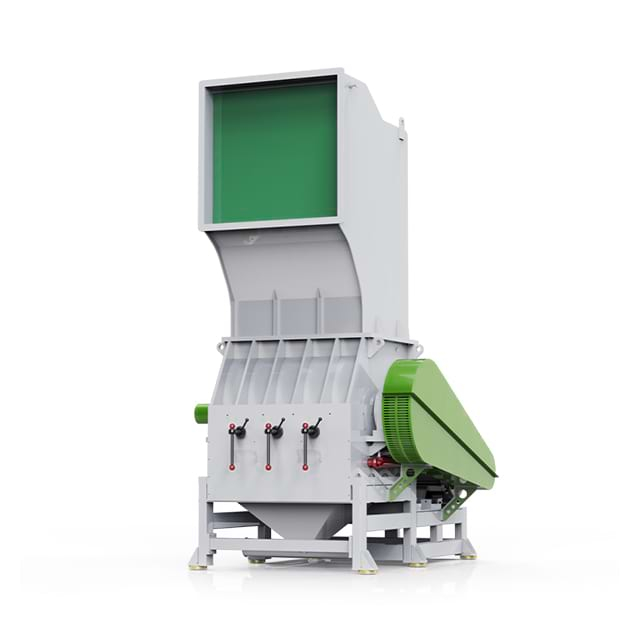
In the construction sector, PVC extruder machines are crucial for producing a variety of essential materials. One of the most common applications is in the manufacturing of PVC pipes. These pipes are widely used for plumbing, drainage, and irrigation systems due to their durability and resistance to corrosion.
Additionally, PVC window profiles are manufactured using these machines. These profiles provide energy efficiency and weather resistance, making them a popular choice for modern buildings. Flooring materials made from PVC are also prevalent, offering aesthetic appeal and durability in both residential and commercial spaces.
Product Type | Benefits |
PVC Pipes | Corrosion-resistant, lightweight |
Window Profiles | Energy-efficient, weather-resistant |
Flooring | Durable, easy to maintain |
The electrical industry relies heavily on PVC extruder machines for producing cable sheaths and conduits. These components are essential for protecting electrical wires and ensuring safety in installations. PVC's excellent insulating properties make it ideal for this purpose, as it prevents electrical conduction and protects against moisture and chemicals.
Conduits made from PVC are lightweight and easy to install, which simplifies the wiring process in both residential and commercial buildings. This versatility allows for a wide range of applications, from simple home wiring to complex industrial setups.
In the automotive sector, PVC extruder machines are used to create various interior trims and insulation materials. These components contribute to the overall comfort and safety of vehicles. For example, PVC is utilized in dashboard panels, door trims, and seat covers due to its flexibility and durability.
Moreover, PVC insulation is essential for protecting wiring throughout the vehicle. It helps prevent electrical shorts and enhances the longevity of electrical systems, making it a critical material in modern automotive manufacturing.
The medical field also benefits significantly from PVC extruder machines. PVC is commonly used in the production of medical devices, such as IV bags, tubing, and syringes. Its ability to be sterilized makes it a safe choice for medical applications, ensuring that products meet strict hygiene standards.
Additionally, PVC packaging is utilized for pharmaceuticals and other medical supplies. This packaging protects sensitive products from contamination while maintaining visibility and accessibility for healthcare providers.
Beyond the major sectors mentioned, PVC extruder machines are finding emerging applications in various other industries. Consumer goods, such as toys and household items, often utilize PVC due to its versatility and cost-effectiveness.
Furthermore, the packaging industry has embraced PVC for creating flexible packaging solutions. This trend is driven by the material's lightweight nature, which reduces shipping costs and enhances product shelf life.
Industry | Emerging Applications |
Consumer Goods | Toys, household items |
Packaging | Flexible packaging solutions |
These diverse applications highlight the adaptability of PVC and the critical role of PVC extruder machines in producing high-quality products across multiple sectors.
Keeping a PVC extruder machine in top condition requires regular cleaning and inspection. Over time, residue from the PVC material can build up on various components, affecting performance. A clean machine not only operates efficiently but also extends the lifespan of critical parts.
Inspecting components for wear is equally important. Regular checks can help identify issues before they escalate, preventing costly repairs. Key areas to focus on include the screw, barrel, and die, as these are crucial for maintaining proper material flow.
Component | Inspection Frequency | Importance |
Screw | Weekly | Ensures consistent material mixing |
Barrel | Monthly | Prevents overheating and material degradation |
Die | Bi-Weekly | Maintains product dimensional accuracy |
Lubrication is vital for the smooth operation of a PVC extruder machine. Proper lubrication reduces friction between moving parts, which helps prevent overheating. It’s essential to follow the manufacturer's recommendations for the type and frequency of lubrication.
Additionally, regularly checking the cooling system is crucial. An efficient cooling system prevents the machine from overheating, which can lead to material degradation and machine failure. Ensure that cooling channels are clear and functioning correctly to maintain optimal operating temperatures.
Proper calibration and alignment of the PVC extruder machine are critical for achieving dimensional accuracy in the final products. Regular calibration ensures that the machine is set to the correct specifications, which is essential for maintaining product quality. Misalignment can lead to inconsistencies in the extruded product, resulting in waste and increased production costs.
To ensure accurate calibration, it’s recommended to perform checks at the start of each production run. This practice helps identify any deviations early on. Additionally, aligning components such as the screw and die can enhance the overall efficiency of the machine.
Calibration Task | Frequency | Benefits |
Screw Alignment | Before production | Enhances material flow and reduces waste |
Die Calibration | After maintenance | Maintains product quality and dimensions |
Temperature Settings | Daily | Ensures optimal processing conditions |
By implementing these maintenance tips, operators can ensure that their PVC extruder machines run smoothly and efficiently, ultimately leading to higher quality products and reduced downtime.
The advent of automation and Industry 4.0 is transforming the landscape of PVC extrusion technology. Smart technologies, such as IoT (Internet of Things) devices, are being integrated into PVC extruder machines to enhance production efficiency. These advancements allow for real-time monitoring of machine performance, leading to quicker adjustments and reduced downtime.
For instance, sensors can track temperature, pressure, and material flow, providing valuable data that operators can analyze to optimize processes. This level of automation not only improves productivity but also minimizes human error, resulting in higher quality products.
Benefit | Description |
Real-Time Monitoring | Enables immediate adjustments to processes |
Data Analytics | Helps identify trends and optimize production |
Reduced Downtime | Increases overall efficiency and output |
As industries become more environmentally conscious, energy efficiency and sustainability are becoming critical trends in PVC extrusion technology. Manufacturers are increasingly adopting low-energy extruders that consume less power while maintaining high performance. These machines are designed to minimize energy waste and reduce the carbon footprint of production.
Additionally, integrating recycled materials into the extrusion process is gaining traction. By using recycled PVC, manufacturers can not only lower production costs but also contribute to a circular economy. This shift towards sustainable practices is crucial in meeting regulatory requirements and consumer demand for eco-friendly products.
Trend | Impact |
Low-Energy Extruders | Reduces operational costs and environmental impact |
Recycled Material Use | Promotes sustainability and resource conservation |
Innovations in die technology are also shaping the future of PVC extrusion. Advanced die designs are being developed to improve product quality and consistency. These innovations include features like adjustable flow channels and enhanced cooling systems, which help achieve better dimensional accuracy.
Moreover, new materials and coatings for dies are being explored to resist wear and corrosion, extending their lifespan and performance. This focus on advanced die technology not only enhances the quality of the final products but also optimizes the overall extrusion process.
Innovation | Benefit |
Adjustable Flow Channels | Improves material distribution and reduces defects |
Enhanced Cooling Systems | Maintains optimal temperatures for better quality |
As these trends continue to evolve, they promise to revolutionize the PVC extrusion industry, making it more efficient, sustainable, and capable of producing high-quality products.
PVC extruder machines are vital for manufacturing high-quality PVC products. They enhance efficiency in industries like construction, automotive, and medical. Regular maintenance ensures optimal performance and longevity. The future of PVC extrusion looks promising, with trends in automation, energy efficiency, and advanced die technology. Companies like Jwell lead the way in providing innovative solutions. Their products offer unique advantages, ensuring value and reliability for manufacturers. Explore Jwell's offerings to stay ahead in the evolving market.
A: A PVC extruder machine is a specialized device used to process and shape PVC materials into various products, such as pipes and profiles.
A: The PVC extruder machine heats raw PVC material until it melts, then forces it through a die to create desired shapes.
A: Regular maintenance of a PVC extruder machine ensures optimal performance, extends its lifespan, and prevents costly breakdowns.
A: Using a PVC extruder machine offers benefits like increased production efficiency, consistent product quality, and reduced waste.
A: The cost of a PVC extruder machine varies based on size and features, typically ranging from several thousand to tens of thousands of dollars.


