
- All
- Product Name
- Product Keyword
- Product Model
- Product Summary
- Product Description
- Multi Field Search
 English

Views: 0 Author: Site Editor Publish Time: 2026-03-13 Origin: Site


Did you know that improper temperature control can severely impact PVC recycling? As a widely used plastic, PVC plays a crucial role in various industries. However, understanding its maximum temperature is vital for effective recycling.
In this article, we will explore how PVC Max Temp affects recycling efficiency. You’ll learn about the risks of thermal degradation and contamination, and discover strategies to optimize recycling processes. Join us as we delve into the critical relationship between temperature and PVC recycling success.
PVC Max Temp refers to the maximum temperature that Polyvinyl Chloride (PVC) can withstand without undergoing significant degradation. Understanding this temperature is crucial for effective recycling and processing of PVC materials.
● Definition: PVC Max Temp is the critical threshold where PVC begins to lose its structural integrity. Beyond this point, the material can soften, deform, or even break down chemically.
● Determining Factors: Several factors influence the max temp, including:
○ Material Composition: Different formulations of PVC can have varying thermal properties.
○ Additives: Plasticizers and stabilizers can alter the heat tolerance of PVC.
○ Processing Conditions: The environment during production, such as pressure and duration of heat exposure, plays a role.
PVC behaves differently across various temperature ranges. Understanding these thresholds helps in optimizing recycling processes.
Temperature Range | Characteristics | Effects on PVC Properties |
Below Freezing (≤ 0°C) | Rigid and brittle | Increased risk of cracking under stress; less flexible. |
Room Temperature (10°C - 40°C) | Stable mechanical state | Optimal performance; minimal thermal expansion. |
Moderate Heat (25°C - 60°C) | More flexible | Enhanced mobility of polymer chains; slight softening may occur. |
High Temperatures (60°C - 100°C) | Significant softening | Potential deformation; may lead to loss of shape under weight. |
Extreme Heat (> 100°C) | Degradation begins | Chemical breakdown; release of harmful gases like HCl. |
Each range has distinct impacts on how PVC performs. For example, at room temperature, PVC maintains its durability, making it suitable for various applications. However, once temperatures exceed 60°C, the material's integrity starts to diminish, which can lead to inefficiencies during recycling.
● Thermal Degradation: Exceeding PVC Max Temp can result in thermal degradation, leading to hardening, brittleness, and discoloration.
● Contamination Risks: If PVC is improperly processed, its degradation can contaminate other materials in recycling streams, affecting overall quality.
● Economic Implications: The costs associated with equipment damage from HCl gas and the need for reprocessing can significantly impact recycling facilities.
Understanding PVC Max Temp is essential for companies like JWELL and Dyun, which specialize in plastic recycling machinery. Their advanced technologies ensure that PVC is processed within safe temperature limits, maximizing efficiency and product quality.
By grasping these concepts, recyclers can better navigate the challenges associated with PVC processing. This knowledge not only enhances recycling efficiency but also contributes to a more sustainable approach to managing plastic waste.
Thermal degradation is a significant concern for PVC when it exceeds its max temperature. This process occurs when heat breaks down the polymer structure, leading to a loss of mechanical properties.
● Consequences of Exceeding Max Temp:
○ Hardening and Brittleness: As PVC degrades, it becomes hard and brittle, making it prone to cracking during processing.
○ Discoloration: Degraded PVC often changes color, indicating chemical breakdown, which affects the quality of recycled products.
Specific degradation temperatures are critical to note:
● Around 60°C: Initial softening begins, affecting flexibility.
● Above 100°C: Significant degradation occurs, releasing harmful byproducts like HCl.
These changes can complicate the recycling process, as degraded PVC may not blend well with other materials, leading to lower quality recycled outputs.
Thermal degradation can also introduce contamination risks in recycling streams. Even small amounts of degraded PVC can disrupt the recycling of other plastics.
● Impact on Quality: Contaminated batches can result in inferior recycled products, leading to economic losses.
● Mixed Plastic Streams: Facilities often face challenges when dealing with mixed streams containing PVC. The presence of PVC can compromise the integrity of the entire batch, making it difficult to achieve high-quality recycled materials.
For instance, if a recycling facility processes a batch with just a small percentage of degraded PVC, the entire output may be deemed unusable, resulting in wasted resources and increased operational costs.
Another significant concern is the damage caused by HCl gas released during PVC recycling. This gas can corrode machinery, especially in facilities unprepared for its presence.
● Cost Implications:
○ Increased Maintenance Costs: Frequent repairs and replacements of equipment due to corrosion can strain budgets.
○ Reduced Operational Efficiency: Downtime for repairs leads to lost productivity and higher operational costs.
Companies like JWELL have recognized these challenges and developed advanced machinery designed to handle PVC more effectively. Their equipment includes features that minimize the risks associated with HCl gas and optimize the recycling process.
Challenges | Impacts | JWELL Solutions |
HCl gas corrosion | Equipment damage and downtime | Corrosion-resistant materials |
Thermal degradation | Poor quality recycled products | Advanced temperature control systems |
Contamination of other plastics | Economic losses | Enhanced sorting technologies |
By investing in such technologies, recycling facilities can significantly improve their efficiency and reduce the economic impacts associated with PVC recycling. Understanding the relationship between PVC Max Temp and these factors is essential for optimizing recycling processes and ensuring sustainability in the plastic industry.
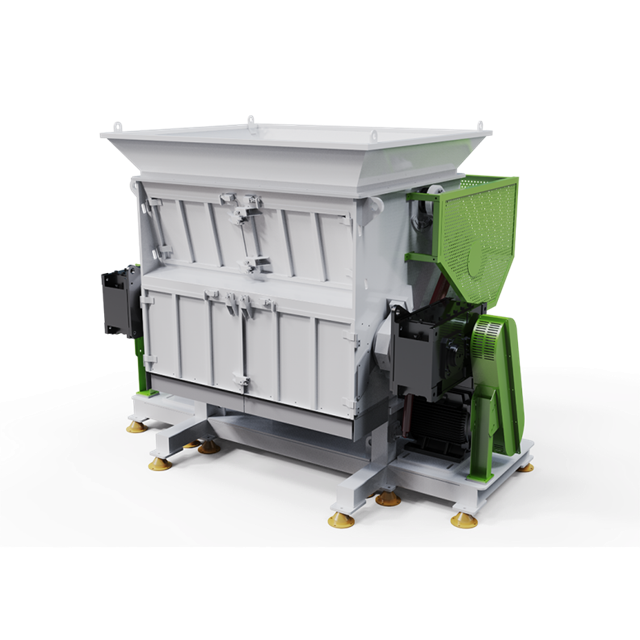
Recycling rigid plastics like PVC involves several critical stages. Each step plays a vital role in ensuring the material is processed efficiently and effectively. Here’s a breakdown of the recycling process:
1. Collection: This is where the journey begins. Rigid plastics are gathered from various sources, including households and businesses. Efficient collection methods can significantly impact the quality of the recyclables.
2. Sorting: Once collected, the plastics must be sorted. This step separates PVC from other materials, which is crucial because contamination can lead to lower quality recycled products. Advanced sorting technologies, such as infrared and X-ray systems, help identify and separate PVC accurately.
3. Shredding: After sorting, the plastics are shredded into smaller pieces. This process increases the surface area, making subsequent washing and melting more effective. However, maintaining proper temperature during shredding is essential to prevent degradation.
4. Washing: The shredded plastic is then washed to remove impurities. This step is vital for ensuring the final recycled product meets quality standards. Temperature control during washing can enhance cleaning efficiency.
5. Pelletizing: Finally, the clean, shredded plastic is melted and formed into pellets. These pellets can be used to create new products. Proper temperature management during this stage is crucial to avoid issues like burning or discoloration.
Temperature control is a key factor throughout the recycling process. Each stage has its own temperature requirements, and managing these effectively can prevent inefficiencies.
● Shredding: If the temperature is too high during shredding, it can lead to thermal degradation. This results in hardening, brittleness, and can even release harmful gases. Properly calibrated machinery helps maintain optimal temperatures, preventing these issues.
● Pelletizing: In this stage, precise temperature control is vital. If the temperature is not managed correctly, the melted PVC can burn, leading to discoloration and a lower quality end product.
Companies like JWELL have developed advanced machinery to enhance temperature control during the recycling process. Here are some key features:
● Integrated Heating Systems: These systems help maintain consistent temperatures during shredding and pelletizing, ensuring optimal processing conditions.
● Real-Time Monitoring: JWELL machines come equipped with sensors that monitor temperature fluctuations. This allows for immediate adjustments, preventing degradation.
● Energy Efficiency: Their equipment is designed to minimize energy consumption while maintaining the necessary temperatures, which is both cost-effective and environmentally friendly.
Recycling Stage | Temperature Control Importance | JWELL Features |
Collection | N/A | Efficient sorting technologies |
Sorting | Prevents contamination | Infrared and X-ray systems |
Shredding | Avoids thermal degradation | Integrated heating systems |
Washing | Enhances cleaning | Optimized washing temperature |
Pelletizing | Ensures quality | Real-time temperature monitoring |
By understanding the importance of temperature control in each stage, recycling facilities can enhance efficiency and produce higher quality recycled materials. This knowledge is crucial for optimizing the recycling of PVC, ensuring sustainability, and minimizing waste.

Effective sorting is crucial for enhancing PVC recycling efficiency. Advanced technologies like infrared (NIR) and X-ray sorting are transforming how recyclables are processed.
● Infrared (NIR) Sorting: This technology uses infrared light to identify different types of plastics based on their unique spectral signatures. It can quickly separate PVC from other materials, ensuring cleaner batches for recycling.
● X-ray Sorting: X-ray systems provide another layer of precision. They can detect the density of materials, allowing for the differentiation between PVC and other similar-looking plastics. This accuracy minimizes contamination in the recycling stream.
Companies like JWELL and Dyun are leading the way in integrating these technologies into their machinery. By utilizing advanced sorting techniques, they help recycling facilities achieve higher purity levels in their recycled products, ultimately increasing the overall efficiency of the recycling process.
Maintaining optimal processing temperatures is vital for preventing thermal degradation of PVC. Several technologies and methods can help achieve this.
● Intelligent Parameter Adjustments: Modern machinery, especially from manufacturers like JWELL, allows for real-time adjustments to processing parameters. This capability ensures that temperatures remain within safe limits during shredding and pelletizing.
● Customizable Processing Parameters: JWELL's equipment can be tailored to accommodate different PVC formulations. This flexibility is essential for managing the varying max temps associated with different types of PVC, such as pipes versus profiles.
For example, when processing a thicker PVC pipe, it may require higher temperatures to ensure effective melting. Conversely, thinner profiles may need lower temperatures to prevent degradation. By customizing these parameters, facilities can enhance product quality and operational efficiency.
Temperature Control Feature | Benefits |
Real-time monitoring | Immediate adjustments to prevent degradation |
Customizable settings | Tailored processing for various PVC types |
Energy-efficient design | Reduced operational costs |
Different types of PVC require specific approaches in the recycling process. Understanding these differences can lead to better outcomes.
● Tailoring Processes: For instance, recycling PVC pipes often involves higher temperatures compared to profiles. Each formulation has its own characteristics that affect how it should be processed.
● Examples of Adaptations:
○ Pipes: These generally require more heat and longer processing times to achieve complete melting.
○ Profiles: Thinner and more delicate, they need careful temperature management to avoid burning.
Dyun focuses on integrating the full industrial chain of waste plastic recycling machinery. Their solutions address the unique needs of different PVC types, ensuring that each formulation is processed optimally. This comprehensive approach not only enhances recycling efficiency but also contributes to producing high-quality recycled products.
By implementing these strategies, recycling facilities can significantly improve their efficiency and the quality of their outputs. Understanding the relationship between PVC Max Temp and these processes is essential for achieving sustainable recycling practices.
A: PVC begins to degrade around 60°C, with significant degradation occurring above 100°C.
A: Contamination from PVC can lower the quality of recycled materials, leading to economic losses and inefficiencies.
A: Best practices include effective sorting, maintaining optimal temperatures, and customizing processing for different PVC types.
A: Yes, PVC can be recycled multiple times, but each cycle may reduce its quality due to thermal degradation.
A: Recycling PVC reduces landfill waste and conserves resources, but improper recycling can release harmful substances.
A: JWELL and Dyun develop advanced machinery that enhances sorting, temperature control, and customized processing for efficient PVC recycling.
Understanding PVC Max Temp is crucial for effective rigid plastic recycling.
Recycling facilities should adopt best practices for temperature control.
Industry leaders like JWELL demonstrate successful strategies in this area.
Engaging with experts can provide valuable insights and improvements in recycling processes.


