
- All
- Product Name
- Product Keyword
- Product Model
- Product Summary
- Product Description
- Multi Field Search
 English


LDPE is recyclable, but you may find that actual recycling rates remain low and access varies by location. You will often see LDPE labeled as #4 plastic on items like clear stretch wrap, shrink film, and squeezable bottles.
| Common LDPE Sources | Examples |
|---|---|
| Bags and wraps | Garbage bags, shipping film, pallet wrap |
| Flexible packaging | Plastic gloves, drum liners, part bags |
| Product protection | Protective film, single-use containers |
If you want to recycle LDPE on a larger scale, consider using a Plastic rigid pelletizing machine to turn waste into reusable pellets.
LDPE, marked as #4 plastic, is recyclable but often not accepted in curbside programs due to its flexible nature.
Recycling LDPE can be done through specialized drop-off programs at grocery stores or recycling centers.
Only about 6.2% of LDPE is recycled in the U.S., highlighting the need for better recycling infrastructure.
Contamination from food and labels can weaken recycled LDPE, so always clean and dry items before recycling.
Recycled LDPE is used in products like shipping envelopes, plastic lumber, and trash can liners, supporting a circular economy.
Using a plastic rigid pelletizing machine can efficiently convert LDPE waste into reusable pellets for new products.
Check local recycling guidelines to understand how to properly recycle LDPE in your area.
Choosing products made from recycled LDPE helps reduce plastic waste and supports sustainable practices.
You encounter low density polyethylene every day. This plastic stands out because it has a low density and high flexibility. You can bend and stretch it without breaking it easily. Low density polyethylene melts at about 100°C (212℉), so it works well for products that need to be soft or flexible. You notice that it looks translucent because it has about 50-60% crystallinity.
Tip: Low density polyethylene resists alcohols, dilute alkalis, and acids, but it does not handle hydrocarbons or strong oxidizers well.
Here are some key properties that make low density polyethylene unique:
Low density and high flexibility
Malleable and elastic
Susceptible to stress cracking
Easily flammable
Excellent electrical insulation
FDA-compliant for food contact
High gas permeability, especially to carbon dioxide
Poor resistance to UV light
You see why manufacturers choose low density polyethylene for many everyday products.
You find low density polyethylene in a wide range of consumer and industrial items. Manufacturers use it because it is soft, stretchable, and safe for food contact.
Here are some typical products made from low density polyethylene:
Zip-top bags and sandwich bags
Garment bags and trash bags
Squeezable condiment bottles and honey bottles
Flexible packaging pouches
Plastic wrap, cling film, and shrink wrap
Milk carton linings and frozen food bags
Six-pack rings for beverages
Wire and cable insulation
Toys and household containers
You probably use several of these products every week. Low density polyethylene helps keep food fresh, protects items during shipping, and makes packaging lightweight.
You can identify low density polyethylene by looking for the recycling code on the product. Most plastic items have a triangle symbol with a number inside.
The number "4" stands for LDPE. You see this code on bags, bottles, and tubes.
| Recycling Code | Material Type | Examples of Products |
|---|---|---|
| 4 | LDPE | Plastic bags, Ziploc bags, buckets, squeeze bottles, plastic tubes |
You should check the plastic recycling codes before you try to recycle any item.
LDPE is marked with the number 4.
You find this code on plastic bags, Ziploc bags, buckets, squeeze bottles, and tubes.
Plastic recycling codes help you sort plastics correctly for recycling.
When you know how to spot low density polyethylene, you can make better choices about recycling and disposal.
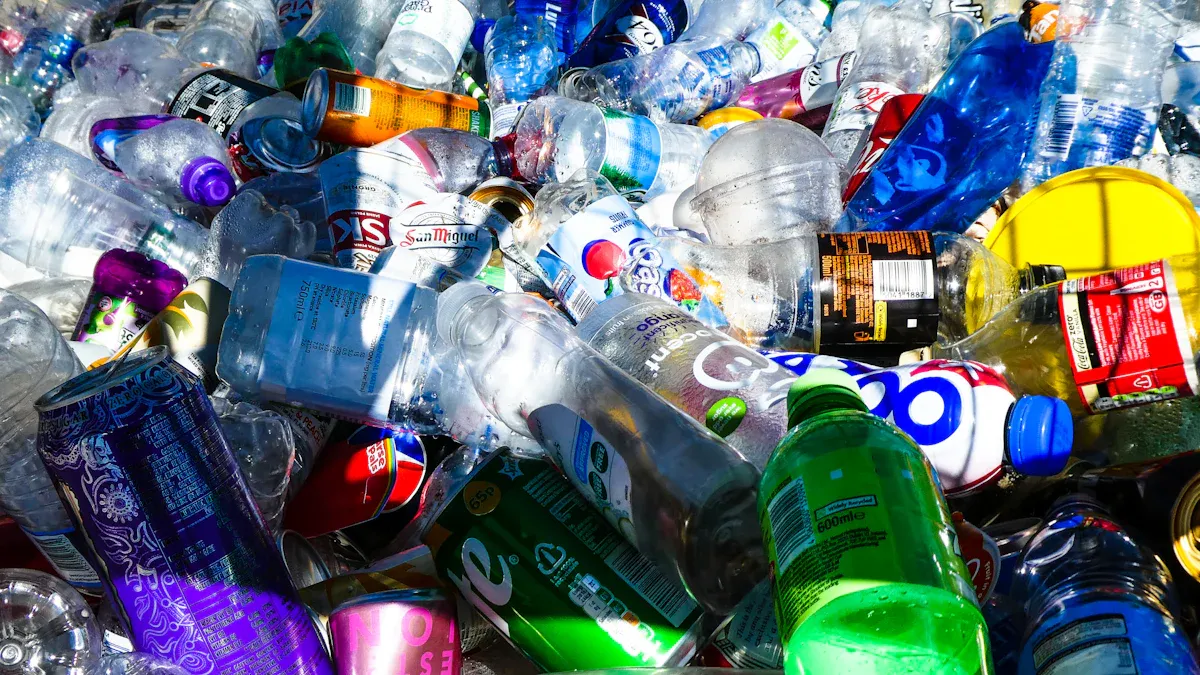
You might wonder if LDPE can be recycled. The answer is yes. LDPE is technically recyclable, and scientists have confirmed this through several studies. For example, researchers at Penn State University found that LDPE can be recycled using advanced methods like pyrolysis, which turns plastic waste into valuable fuels. Mechanical and solvent-based recycling methods also work for LDPE, especially when sorting and cleaning processes improve. You see LDPE marked as #4 plastic, but you may notice that many curbside recycling programs do not accept it. This happens because LDPE is flexible and lightweight, which makes it hard for machines to sort and process. You need to check with your local curbside recycling programs before placing LDPE items in your bin.
Note: LDPE is recyclable, but you must follow your local curbside recycling programs' rules to avoid contamination and wasted effort.
You may think that LDPE recycling happens often, but the numbers tell a different story. The National Renewable Energy Laboratory (NREL) reported that only about 2% of LDPE was recycled in the United States in 2019. More recent data shows a slight increase, with LDPE recycling rates reaching 6.2%. When you compare this to other plastics, LDPE still lags behind.
| Plastic Type | Recycling Rate |
|---|---|
| LDPE | 6.2% |
| PET | 18.4% |
| HDPE | 10.3% |
You see that PET and HDPE have higher recycling rates because curbside recycling programs accept them more often. LDPE recycling rates remain low because most curbside recycling programs do not process flexible plastics like bags and wraps. You need to find special drop-off locations or store collection bins for LDPE items.
You notice that LDPE recycling rates and access change depending on where you live. Some regions have strong curbside recycling programs that accept LDPE, while others do not. Several factors influence these differences:
Economic viability varies across regions. Countries in Asia and Eastern Europe show lower recycling rates because recycling LDPE costs more.
Labor costs play a big role. For example, Germany pays four times more for labor than Turkey and five times more than Thailand.
Local research helps communities understand their own recycling challenges and improve curbside recycling programs.
You need to check your local curbside recycling programs to see if they accept LDPE. Some cities offer special drop-off bins at grocery stores or recycling centers. Others do not have the infrastructure to handle LDPE, so you must look for alternatives like reuse or responsible disposal.
You can recycle LDPE using a mechanical process that transforms waste into valuable pellets. The process starts with collecting LDPE materials from farms, stores, or recycling facilities. Workers clean the collected plastic to remove dirt and contaminants. You see that separating different types of films, such as HDPE and LDPE, is important to avoid mixing and contamination. After separation, machines chop the LDPE film into small flakes. These flakes go through another cleaning step to ensure purity. The clean flakes are dried and melted, which produces plastic pellets ready for reuse.
Here are the main steps in the mechanical recycling process for LDPE:
Collection of LDPE materials from various sources.
Cleaning to remove contaminants.
Separation of different films and colors.
Chopping into flakes.
Further cleaning of flakes.
Drying and melting to create pellets.
You need a reliable machine to turn LDPE waste into reusable pellets. The plastic rigid pelletizing machine plays a key role in this process. This machine handles the chopped and cleaned LDPE flakes, melts them, and forms uniform pellets. You can use these pellets to make new products, such as packaging, pipes, or films.
The plastic rigid pelletizing machine offers several benefits:
High efficiency in processing LDPE and other plastics.
Stable output quality with less dusting.
Compatibility with different types of plastic waste.
Energy-saving features that lower operating costs.
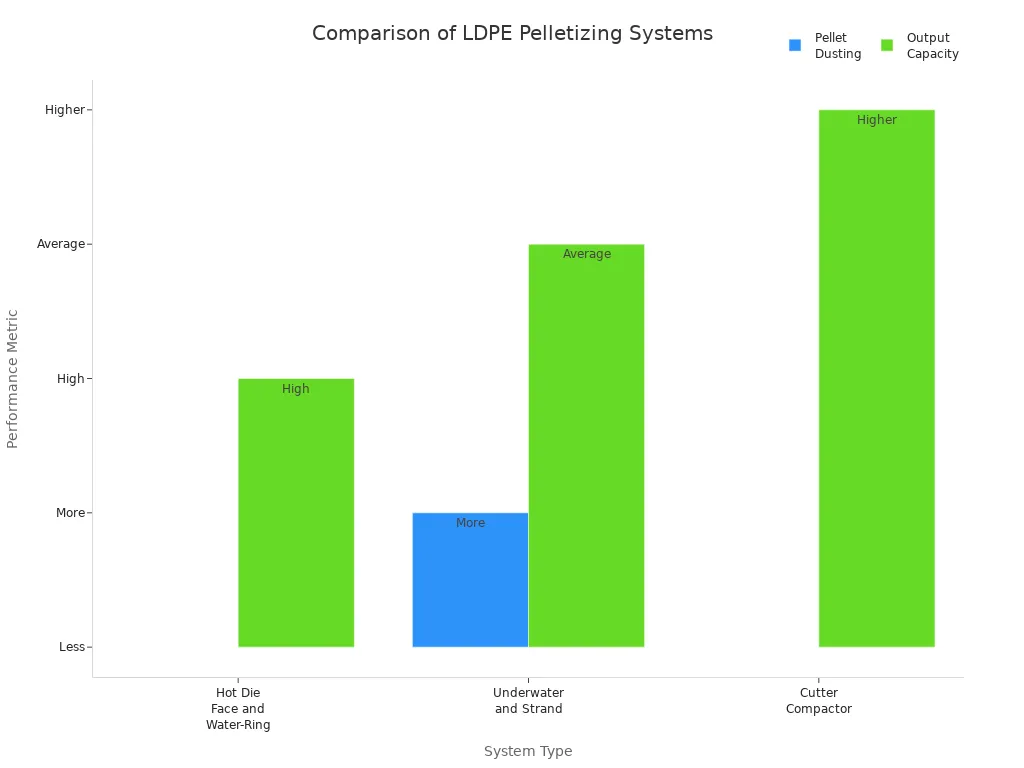
You can compare different pelletizing systems to see which one fits your needs best.
| System Type | Investment Cost | Pellet Dusting | Output Capacity | Energy Saving |
|---|---|---|---|---|
| Hot Die Face and Water-Ring | Higher | Less | High | — |
| Underwater and Strand | Lower | More | Average | — |
| Cutter Compactor | — | Less | Higher | Up to 20% |
JWELL offers advanced solutions for LDPE recycling with its plastic rigid pelletizing machine. You can process a wide range of plastics, including PP, PE, PVC, PET, and more. The machine features a special screw design and multiple configurations to suit different recycling needs. You benefit from a high torque gearbox, which ensures low noise and stable operation. The vacuum vented design helps remove vapor and gas, resulting in uniform pellets and consistent output.
You will find several technical advantages when using JWELL's plastic rigid pelletizing machine:
Max production capacity reaches 350 kg/h.
Suitable for recycling PP, PE, PS, ABS, and PC.
High torque gearbox provides quiet and stable operation.
Vacuum vented design ensures stable output and uniform pellets.
Special screw and barrel treatment increases durability and mixing efficiency.
| Specification | Details |
|---|---|
| Max Production Capacity (kg/h) | 350 |
| Voltage | 220V/380V or customized voltage |
| Suitable Plastic Types | PP, PE, PVC, PET, PMMA, PA, PS, PC, ABS, PE-RT, PLA, PP-R, EVA |
Energy-efficient motors and advanced filtration systems help you save on electricity and produce high-quality pellets.
| Advantage | Description |
|---|---|
| Energy Efficiency | Optimized motors and screw designs limit strength consumption. |
| Advanced Filtration | Ensures excellent pellet production. |
You can transform LDPE waste into reusable pellets by following these steps:
Shredding LDPE into uniform flakes.
Cleaning the flakes to remove contaminants.
Melting and pelletizing the clean flakes using the plastic rigid pelletizing machine.
The machine melts the LDPE flakes and extrudes them into strands. You cool the strands and cut them into uniform pellets. These pellets serve as raw materials for new products in packaging, textiles, construction, and automotive industries.
Packaging: Pellets become new bags, wraps, and films.
Textiles: Pellets are processed into fibers for clothing and carpets.
Construction: Pellets are used in pipes, insulation, and sheeting.
Automotive: Pellets help make bumpers and trim panels.
You can recycle LDPE waste efficiently and create valuable products by using a plastic rigid pelletizing machine.
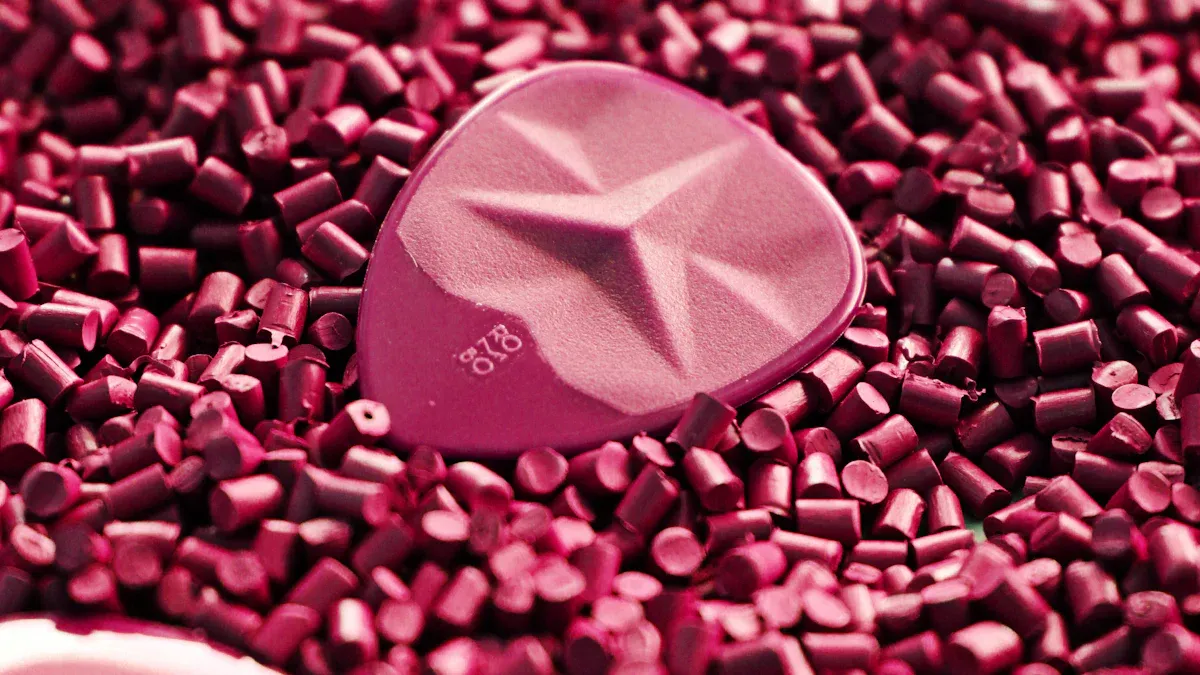
You can find recycled LDPE in many everyday products. Manufacturers use recycled LDPE because it helps reduce waste and saves resources. When you choose products made from recycled LDPE, you support a circular economy and help protect the environment. Recycled LDPE often replaces virgin plastic in items that do not require high strength or clarity.
Here are some common uses for recycled LDPE:
Flexible packaging, such as bags and wraps
Construction materials, including plastic lumber and panels
Shipping envelopes and mailers
Trash can liners and bin bags
Outdoor furniture and playground equipment
Agricultural films and irrigation pipes
Tip: Choosing recycled LDPE products helps lower the demand for new plastic and reduces landfill waste.
You should know that recycled LDPE has some limitations. The material can only go through the recycling process a certain number of times before its quality drops. Each time you recycle LDPE, the plastic’s mechanical properties weaken. After about 40 recycling cycles, the material shows significant degradation. Cyclic loading, such as repeated bending or stretching, can also cause the recycled plastic to fail sooner.
LDPE can be recycled multiple times, but its mechanical properties degrade after extensive recycling.
Significant degradation occurs particularly after the 40th extrusion cycle.
Cyclic loading contributes to premature failure and degradation of material properties over time.
You see recycled LDPE in many products you use every day. These items help keep plastic out of landfills and give new life to old materials.
Many companies use recycled LDPE to make shipping envelopes. These envelopes protect your packages during transit and often have a soft, flexible feel. You can find both padded and unpadded mailers made from recycled LDPE. Using these envelopes reduces the need for new plastic and supports sustainable shipping practices.
Recycled LDPE plays a big role in making plastic lumber. You see this material in outdoor benches, decking, and fencing. Plastic lumber made from recycled LDPE resists moisture and insects, making it a good choice for outdoor use. It also lasts longer than wood in wet or harsh environments.
Trash can liners made from recycled LDPE are strong and flexible. You use these liners at home, in schools, and in offices. They help contain waste and prevent leaks. By choosing liners made from recycled LDPE, you help reduce plastic pollution.
Note: Recycled LDPE has lower concentrations of organic compounds than virgin LDPE, which may reduce chemical toxicity. However, recycled LDPE can contain higher levels of metals like copper, lead, calcium, and iron. This means that while you help the environment by using recycled LDPE, you should also be aware of possible contamination risks.
You make a difference every time you choose recycled LDPE products. These items support recycling programs and help create a cleaner planet.
You may notice that collecting LDPE for recycling is not as easy as collecting other plastics. Many curbside programs do not accept LDPE bags or wraps. These items often get tangled in sorting machines, which slows down the recycling process. You might have to take LDPE to special drop-off locations, which can be inconvenient.
Here is a table that shows some of the main barriers to LDPE collection:
| Challenge | Description |
|---|---|
| Contamination | LDPE waste often contains labels and adhesives that can ruin the recycled product. Removing these contaminants is slow and expensive. |
| Market Demand | The demand for recycled LDPE changes with oil prices, consumer choices, and government rules. Low demand can reduce recycling efforts. |
| Technological Hurdles | Improving recycling technology needs big investments. Better sorting, cleaning, and processing methods are still developing. |
You can see that these challenges make it hard for cities to collect and recycle LDPE efficiently. In India, for example, only 0.77 million tons of plastic waste gets recycled each year, while 0.51 million tons remain uncollected or dumped. LDPE has one of the lowest recycling rates among plastics.
Contamination is a big problem in LDPE recycling. When you put dirty bags or wraps in the recycling bin, you introduce substances that lower the quality of the recycled plastic. These substances can come from food, labels, inks, or even the packaging itself.
Contamination adds both intentionally added substances (like inks and additives) and non-intentionally added substances (such as impurities and breakdown products).
Over half of the substances found in recycled LDPE come from contamination during the recycling process, mostly from leftover packaging content.
You should always clean and dry LDPE items before recycling them. If you do not, the recycled product may be weak or unusable. Contaminated LDPE can also clog machines and increase costs for recycling centers.
You may find that your area does not have enough recycling facilities for LDPE. North America, for example, has a recycling capacity of 9.5 million tons per year, but only produces 4.2 million tons of recycled plastic. Only 9% of this capacity is used for LDPE and similar films. Many recycling plants are located in certain regions, so transporting LDPE waste can be expensive and difficult.
Limited recycling capacity means not all collected LDPE gets processed.
Minimal capacity for recycled LDPE and LLDPE post-consumer resin makes it hard to recycle plastic films.
Geographical limitations cause uneven access to recycling facilities, which lowers recycling rates in some areas.
Globally, only about 9% of all plastics get recycled, even though over 400 million tons are produced each year. Many of these plastics are single-use items, like LDPE bags and wraps, which are hard to recycle. The lack of cost-effective technology for closed-loop recycling also keeps rates low.
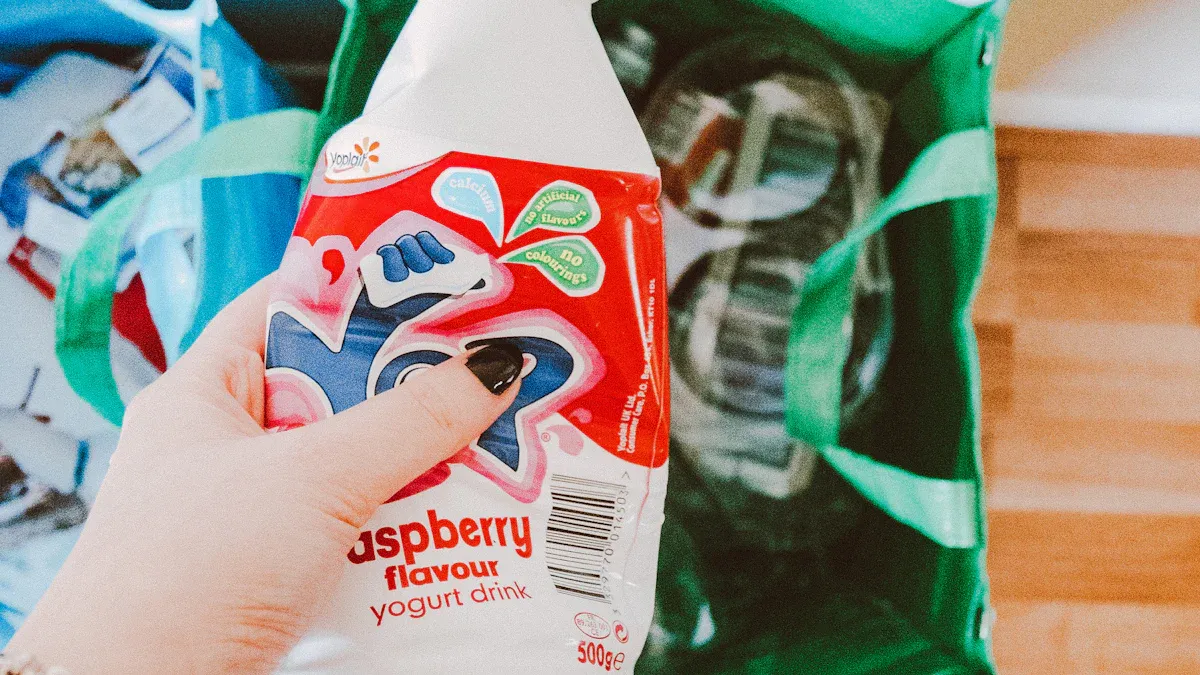
You can make a difference by recycling LDPE in your community. Start by learning about your local recycling options. Many cities have different rules for plastic bags and wraps. You should follow these steps to recycle LDPE properly:
Check your local curbside recycling programs. Some cities accept LDPE in curbside bins, but others do not. Contact your local recycling office or visit their website to find out.
Use grocery store drop-off programs. Many supermarkets collect LDPE bags and wraps for recycling. Look for special bins near the entrance or customer service desk.
Reuse LDPE products at home. You can use plastic bags for storage, packing, or as liners for small trash cans. Reusing helps keep LDPE out of landfills and reduces waste.
You may find that drop-off programs offer the best solution for LDPE recycling. Grocery stores and retail chains often provide collection bins for plastic bags and wraps. These programs send LDPE to specialized facilities that process flexible plastics. You should gather clean LDPE items, such as bread bags, produce bags, and dry cleaning covers, before visiting a drop-off location.
Some recycling centers also accept LDPE through dedicated collection points. You can search online for local drop-off sites or ask your city’s recycling coordinator for guidance. By using these programs, you help increase the amount of LDPE that gets recycled and support a circular economy.
If recycling LDPE is not available in your area, you still have options to reduce environmental impact. You can choose alternatives that help limit plastic waste.
| Alternative Method | Effectiveness in Reducing Environmental Impact |
|---|---|
| Biodegradable and compostable materials | These materials, such as PLA, can significantly reduce plastic waste accumulation and break down more rapidly under specific conditions. |
| Biodegradable LDPE composites | Incorporate natural fibers or biodegradable additives to enhance decomposition, addressing plastic pollution concerns. |
| Innovative recycling methods | Techniques like chemical and mechanical recycling aim to minimize LDPE's environmental footprint by promoting circular economy principles. |
You can reuse LDPE products in creative ways. Use bags for packing lunches, storing shoes, or organizing small items. Reusing LDPE helps you cut down on single-use plastics and saves money.
If you cannot recycle or reuse LDPE, dispose of it responsibly. Place LDPE items in the trash if no recycling options exist. Avoid littering, as plastic waste can harm wildlife and pollute waterways. You can also choose products made from biodegradable materials when possible.
Note: Every step you take to reuse, recycle, or dispose of LDPE responsibly helps protect the environment and supports sustainable living.
You see that LDPE is recyclable, but most of it does not get recycled because many areas lack proper infrastructure and access. You can help by using drop-off programs and supporting new pelletizing technology for large-scale recycling. Responsible disposal matters. You can look for clear labeling, join take-back programs, and support awareness campaigns.
| Strategy | Description |
|---|---|
| Transparency and labeling | Clear labeling on packaging to educate consumers about plastic types and proper disposal methods. |
| Organize consumer awareness campaigns | Marketing campaigns that raise awareness about plastic pollution and promote responsible consumption. |
| Include product take-back programs | Programs allowing consumers to return used plastic products for proper recycling or reprocessing. |
You also see new trends shaping the future. Companies focus on sustainability, energy efficiency, and better product design.
| Trend/Innovation | Description |
|---|---|
| Focus on Sustainability | Increased regulations around recycling and circular economy principles are expected to drive demand for recycled LDPE. |
| Development of Biodegradable Alternatives | Research is ongoing into bio-based polymers that can replace traditional LDPE, particularly in agriculture and packaging. |
| Energy Efficiency in Production | Advanced technologies are being implemented to reduce energy consumption and emissions in LDPE production. |
| Sustainable Practices Integration | Companies are forming partnerships with waste management firms to enhance recycling infrastructure and consumer awareness. |
| Changes in Product Design | Manufacturers are creating thinner, lighter LDPE films to conserve resources and reduce waste. |
You make a difference when you choose recycled LDPE products and dispose of LDPE responsibly.
You see the #4 recycling code on products made from low density polyethylene (LDPE). This code helps you identify which types of plastic are recyclable in your area. Always check local guidelines before recycling.
You cannot recycle LDPE at home using regular curbside bins in most cities. You should use store drop-off programs or special recycling centers for LDPE bags and wraps.
Many recycling programs do not accept LDPE because it is lightweight and flexible. These properties make sorting and processing difficult. LDPE can also clog recycling machinery.
You can find recycled LDPE in shipping envelopes, plastic lumber, trash can liners, and flexible packaging. Manufacturers use recycled LDPE to reduce waste and save resources.
You should clean and dry LDPE items before recycling. Remove food, labels, and adhesives. Clean LDPE helps recycling centers produce higher quality pellets.
Not all types of plastic are recyclable everywhere. You should check which types of plastic are recyclable in your local program. LDPE, PET, and HDPE are common, but acceptance varies.
Dirty LDPE can contaminate the recycling stream. Contaminated plastic lowers the quality of recycled products and may cause recycling centers to send it to the landfill.
Yes, pelletizing machines can process many plastics. You can recycle PET, PP, PE, PVC, and fibers using advanced pelletizing technology.


